NMPF convenes states for dairy advocacy

By Chris Galen and Paul Bleiberg
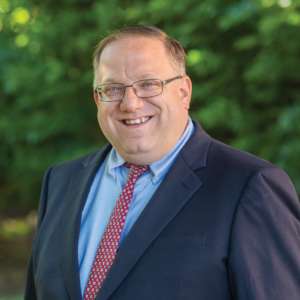
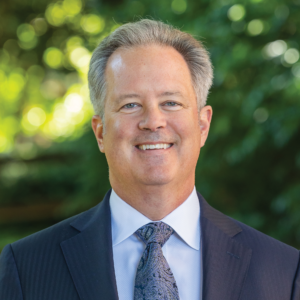
Representatives from nearly 20 state dairy organizations met for the 2025 Dairy Association Stakeholder Summit to discuss mutual issues of interest and devise ways to better coordinate amongst each other and with the National Milk Producers Federation (NMPF) on May 7 in Arlington, Va.

NMPF organized the meeting at its office for the farmers and staff who work at the various state dairy policy organizations. This annual summit brings together leaders from those groups to discuss insights that can help ensure a successful future for the dairy community. Issues discussed at the 2025 state summit included farm bill policy, labor availability and immigration, trade challenges, nutrition policy, environmental regulations, and the dairy economic outlook.

Dairy farmers may have common goals and policy priorities, but each state has its own legislative and regulatory climate. However, state rules are sometimes layered on top of federal requirements and create very different regulatory obligations for farmers, cooperatives, and other supply chain stakeholders. The Stakeholder Summit allows state representatives to report on what their producers are experiencing, giving NMPF the tools and understanding to better advocate for policy solutions that work for all farmers.

Moreover, while federal programs are nationwide in scope, their implementation may vary widely as they are often administered on the ground by state and county offices. For example, the Dairy Margin Coverage (DMC) safety net rules are standardized, and thus should apply consistently to farmers in all 50 states, but each state has its own Farm Service Agency offices to run the program.

Family dairy farms come in varied sizes and can have unique ownership structures, so a slightly different interpretation from one state-level office to the next can mean two similarly situated producers may have very different experiences under the program. The Stakeholder Summit enables producers to give voice to these issues, positioning NMPF to work with agencies like the USDA to address any inconsistencies in implementing federal programs, DMC, or otherwise.

Lastly, while NMPF is the voice of dairy farmers nationwide, many state dairy associations maintain strong, lasting relationships with their congressional delegations. Local support is essential to securing a representative’s or senator’s support for a cause, positioning state associations to work with NMPF to provide congressional dairy champions the at-home backing they need.

Toward that end, because this meeting is held in Arlington, it affords the state participants an opportunity to visit their respective elected officials in the House of Representatives and the Senate. NMPF staff helped coordinate those Capitol Hill visits for the farmers who came from across the country to the event, where they shared what they learned at the summit meeting and advocated for dairy’s priority issues.


This column originally appeared in Hoard’s Dairyman Intel on May 12, 2025.

U.S. Dairy Welcomes Framework to Expand Exports to UK

“The United States and the United Kingdom are long overdue to strike a deal on trade. This agreement on a solid framework for negotiations over the coming months is an important step in the right direction,” said Gregg Doud, president and CEO of the National Milk Producers Federation. “The UK is the world’s largest cheese importer from global markets. The United States has invested  $10 billion in U.S. dairy processing capacity in a four-year window. It’s vitally important that our exporters have a level playing field.”

The European Union has duty-free, quota-free access to the UK dairy market and benefits from geographical indications that prohibit fair competition in the UK market in common cheese categories. The UK in 2023 also implemented Free Trade Agreements with New Zealand and Australia which eliminate all UK dairy tariffs over the course of five years. The EU, New Zealand and Canada also all benefit from most of their dairy products being deemed by the UK to be “low risk” and thus can enter the UK market without the need for product certification.

“Yesterday’s announcement of a U.S.-UK agreement on a negotiating framework for trade must be a first step in the work that’s needed to open market opportunities for U.S. dairy products to the UK, which imported $5 billion from the world last year,” said Krysta Harden, president and CEO of the U.S. Dairy Export Council. “The UK already has open trade with the world’s largest dairy exporter—the EU—and it will have fully open trade with two of the other largest exporters—New Zealand and Australia—in just 3 years. Duty-free, quota-free, certificate-free trade is what U.S. dairy exporters need to have a level playing field in this key market.”

NMPF’s Galen Details Importance of State Dairy Association Meeting

NMPF’s senior vice president Chris Galen explains for listeners of Dairy Radio Now why NMPF organized a national meeting this week of state dairy association leaders.  The meeting at National Milk’s office allowed farmers and executives from 18 different state organizations to receive an update on federal policy issues while also sharing the challenges they are facing in their own states.

FDA Reaffirms Milk Safety, Supported by NMPF

NMPF reacted to consumer concern over late-April reports of FDA’s temporary suspension of its milk quality proficiency testing program by working with FDA to release an agency statement clarifying what the proficiency testing program is.

“The milk proficiency testing program is a periodic review of the testing capacities of laboratories in FDA’s network, and is not used to directly test milk or other dairy products,” an FDA spokesperson said, referring to its Grade “A” milk proficiency testing (PT) program in a statement shared with NMPF. “The temporary suspension to the Proficiency Testing program does not impact routine testing of milk destined for pasteurization, or milk and dairy testing in illness investigations. The FDA continues to have confidence in the safety of the commercial, pasteurized milk supply.”

The program is a minor step in the multi-faceted process of ensuring milk safety; however, amplification of its importance on social media created a potential threat to milk’s reputation, prompting both work with FDA as well as NMPF’s own statement reaffirming milk’s safety and the many quality and safety checks conducted on every batch of milk as it moves from farms to retail stores across the country.

“The U.S. milk supply is safe,” NMPF said in its own statement April 25. “All routine quality and safety checks on farms, during milk transport, and at processing plants are being conducted as they always have been, in coordination with both state and federal partners.

“NMPF has full confidence in the state, federal, and industry partnerships that work together to implement the Pasteurized Milk Ordinance, which has kept the U.S. milk supply safe for more than 100 years.”

This public reminder of the steps involved in ensuring safe, quality milk comes right on the heels of the 39th National Conference of Interstate Milk Shipments, a collaborative effort between industry, states and federal partners to update and implement the Pasteurized Milk Ordinance. NMPF is working on additional milk safety resources to share throughout the year.

FARM Opens Registration for Annual Evaluator Conference

The National Dairy Farmers Assuring Responsible Management (FARM) Program is hosting its annual FARM Evaluator Conference July 14-16 at the Oneida Casino & Hotel in Green Bay, WI.

The two-day conference is filled with industry speakers, program area deep dives and provides networking opportunities for FARM Program evaluators.

FARM evaluators are individuals trained and certified to conduct second-party Animal Care, Environmental Stewardship and Workforce Development evaluations on behalf of FARM participants. Evaluators work alongside dairy producers to identify strengths and outline areas for improvement in all program areas.

Please reach out to dairyfarm@nmpf.org for questions about the event or for information about sponsorship opportunities.

NMPF Highlights U.S. Dairy’s Role in Global Nutrition; Hain, Jordan Discuss HPAI

Trade Policy Director Tony Rice presented at an April 23 briefing on Capitol Hill to speak about the U.S. dairy industry’s commitment to combatting malnutrition around the world, highlighting a busy month for NMPF outreach across the dairy community.

Hosted by the Alliance to End Hunger, the briefing covered the current state of global hunger and the importance of stable U.S. funding support for critical intervention products such as ready-to-use therapeutic foods, a proven, lifesaving treatment for children suffering from acute malnutrition made from milk powder, peanuts, soybean oil/soy protein, sugar and vitamins.

NMPF and USDEC have strongly advocated Congress and USDA to expand funding for critical food assistance programs, including ready-to-eat foods. Rice was joined by representatives from Helen Keller International, Edesia Nutrition and the Eleanor Crook Foundation.

Elsewhere, NMPF Chief Veterinary Officer Dr. Meggan Hain and Dr. Karen Jordan, head of the FARM Program’s animal care committee, participated in the National Institute of Animal Agriculture (NIAA) Annual Meeting in Kansas City on April 7-8. Dr. Hain participated in NIAA’s Advanced Training for Animal Agriculture Leaders while Dr. Jordan presented on the dairy industry’s response to HPAI as part of an exercise to look at effective disease response across species.

Also, FARM’s Sage Saffran moderated the ‘Unpacking Carbon Footprints: A Value Chain Approach to Advancing Dairy Sustainability’ panel on April 16 at the 2025 Cheese Con in Madison, WI.

Will Loux, the head the NMPF/USDEC Joint Economics Team, spoke to the International Dairy Federation Standing Committee on Dairy Policies and Economics on carbon markets, the impact of H5N1, and an outlook for dairy markets virtually on April 14. And NMPF economist Monica Ganley spoke on the State of the Industry to the Oregon Dairy Industry on behalf of the S/R Oregon Dairy Council in Salem on April 15.

DMC Margin Loses $1.57/cwt in March, Mostly on Lower Milk Price

The monthly Dairy Margin Program margin fell $1.57/cwt to $11.55/cwt in March as the U.S. average all-milk price fell $1.60/cwt to $22/cwt, more than outstripping a small decline in feed costs.

The DMC Decision Tool on the USDA Farm Service Agency website has long projected the monthly margin would reach a bottom for 2025 this spring, but the March downward move outpaced its projections. On the last day of April, the Tool showed the correct milk, corn and soybean meal prices for March, but anticipated a much lower premium alfalfa hay price and showed a projected March margin of $12.29/cwt.  At that time, it also projected the margin would reach a 2025 low of $11.05/cwt in June before rising again.

NMPF Capitalizes on U.S. Tariff Leverage to Advance Dairy

NMPF and the U.S. Dairy Export Council (USDEC) held strategic meetings throughout April to improve access to key foreign markets as the Trump Administration attempts to negotiate new terms with U.S. trading partners following its April 2 reciprocal tariff plan announcement.

  • Taiwan: Executive Vice President for Policy Development & Strategy Jaime Castaneda and Trade Policy Director Tony Rice, together with the California Milk Advisory Board, traveled to Taiwan from March 31 to April 3 for meetings on dairy market access. The group met with Taiwanese trade and agricultural ministry officials, importers, the U.S. and Taiwanese chambers of commerce, among others, to highlight Taiwan’s dairy tariff disparity between the United States and New Zealand and seek prioritization of tariff relief through the newly commenced U.S.-Taiwan trade negotiations.
  • Japan: Castaneda hosted Yoichi Watanabe, Vice Minister of Japan’s Ministry of Agriculture, Forestry and Fisheries on April 14 to discuss U.S. dairy trade priorities in the context of U.S.-Japan negotiations. American dairy exporters secured expanded access for certain products under the U.S.-Japan Phase One Agreement signed in 2019, but NMPF is seeking further tariff elimination and quota expansion for a range of dairy products in the new set of negotiations.
  • Indonesia: Executive Vice President for Trade Policy & Global Affairs Shawna Morris shared U.S. dairy priorities in an April 24 meeting with a member of the Indonesian Parliament and the Senior Vice President of the Indonesian Chamber of Commerce. She also joined NMPF President and CEO Gregg Doud, USDEC President and CEO Krysta Harden and additional USDEC staff in a subsequent meeting with additional Indonesian Chamber of Commerce delegation members on May 2. The conversations focused on NMPF’s goals for tariff reductions and resolving long-standing challenges associated with Indonesia’s dairy facility listing requirements. During that May 2 meeting NMPF and USDEC signed a Memorandum of Understanding with the Indonesian Chamber of Commerce which commits the organizations to work collaboratively to enhance U.S.-Indonesia trade relationships, including through the use of U.S. dairy products to meet Indonesia’s growing dairy needs.

Castaneda and Morris continue to communicate U.S. dairy trade priorities with the administration as cleared confidential advisors to ensure tariff and nontariff barriers to dairy trade are prioritized in the ongoing negotiations.

NMPF Advances Member Interests on Bulk-Tank Cleaning at NCIMS

NMPF helped deliver favorable outcomes for nine proposals it submitted on behalf of its members, including a standard for bulk-tank cleaning that’s better aligned with milk-truck standards, at the 39th National Conference on Interstate Milk Shipments, which met April 11-16 in Minneapolis.

The conference deliberated on numerous important issues facing FDA’s National Grade “A” Milk Program and the Grade “A” Milk Pasteurized Milk Ordinance (PMO).

NMPF’s proposal was accepted to update the rules for cleaning on-farm bulk tanks, allowing them to be cleaned once in every 24-hour period, similar to milk hauling trucks, instead of being cleaned every time the on-farm tank is emptied. This proposed rule will save time and money for many dairy farmers who have multiple milk shipments a day and may have a positive environmental impact from less frequent chemical washes.

Delegates representing 49 states and Puerto Rico attended the conference, along with representatives from FDA and industry organizations including NMPF.  Leaders from NMPF and its member cooperatives are heavily involved in NCIMS, with many serving on the NCIMS Executive Board or on committees between conferences.

Brad Suhling (Prairie Farms) was elected to the open industry from the Central Region for the NCIMS Board. Shurling previously served on the Single Service Committee, and that vacancy will be filled by Charlie Mack (Prairie Farms).

Amanda Rife (Land O’ Lakes) was elected the open industry from the Eastern Region for the NCIMS Board and will serve as chair for Council I; Dave Kedzierski (United Dairymen of Arizona) will serve as the chair for Council II; Damon Miller (Dairy Farmers of America) will continue his term as the chair for Council III; and Clay Detlefsen will continue to serve in the NMPF staff representative seat.

Finally, by unanimous vote, Antone Mickelson (Darigold/Northwest Dairy Association) will continue as vice chair of NCIMS Executive Board.

NMPF will host the NCIMS executive board at its Arlington, VA office in October for a meeting in which FDA will concur or non-concur with all of the proposals passed at the conference.

FARM Program Boosts Biosecurity


Good biosecurity plans are more vital than ever to keep foreign animal diseases out of the nation’s livestock. NMPF Director of Regulatory Affairs Miquela Hanselman shared updates on the National Dairy Farmers Assuring Responsible Management (FARM) Program’s Biosecurity program area. FARM held its first live training April 30-May 1 to educate cooperative field staff and state officials on best management practices for on-farm biosecurity. “With this training, we’re just trying to get more people trained to be able to put those plans together for farmers so that we’re ready should an outbreak ever occur,” Hanselman said.

NMPF Advocates on Tax Package with Farm and Border Spending in Mix

House and Senate Republicans in April adopted a budget blueprint to instruct congressional committees to begin working on legislation to renew the 2017 Tax Cuts and Jobs Act and include spending provisions, with dairy-related items an NMPF focus.

Republicans are writing this bill using the budget reconciliation process, which allows Congress to enact tax and mandatory spending legislation on a simple majority vote in the House and Senate. The Senate passed the budget resolution on April 5, and the House followed suit on April 10.

NMPF is prioritizing renewal of the Section 199A tax deduction as part of the process. Dairy cooperatives can claim the deduction based on their domestic manufacturing and pass the benefit back to their farmer owners. NMPF secured 51 dairy stakeholder signers on a March 24 letter led by the National Council of Farmer Cooperatives urging congressional leaders to make Section 199A permanent, and the provision was the main topic of April’s CEO’s Corner.

Outside of tax policy, Congress is likely to use this bill to adjust mandatory spending. The House and Senate Agriculture Committees may boost the farm commodity safety net, which would take one issue off the table for the pending farm bill. The Agriculture Committees are also likely to reduce overall spending from the Supplemental Nutrition Assistance Program, a change that Democrats would oppose. NMPF is in close contact with the committees as they develop their portion of the larger bill.

Republicans also are expected to increase border security-related funding, which could create an opportunity later this year for legislation that would finally address dairy’s agricultural workforce needs. Multiple members of Congress are drafting bills to address ag labor priorities, including allowing dairy farmers and other year-round employers to access the H-2A ag visa program.

NMPF will once again lead efforts in the dairy industry, in partnership with other agricultural stakeholders, to build the momentum and support for advancing much-needed ag workforce legislation.