- About
- Key Issues
Labor & Rural Policy
Sustainability
Animal Health
Nutrition & Food Safety
Labeling & Standards
- Programs & Resources
- Advocacy
- News
- Membership
- Events
- Stay Informed
- Contact
Paloma Dairy
Gila Bend, AZ

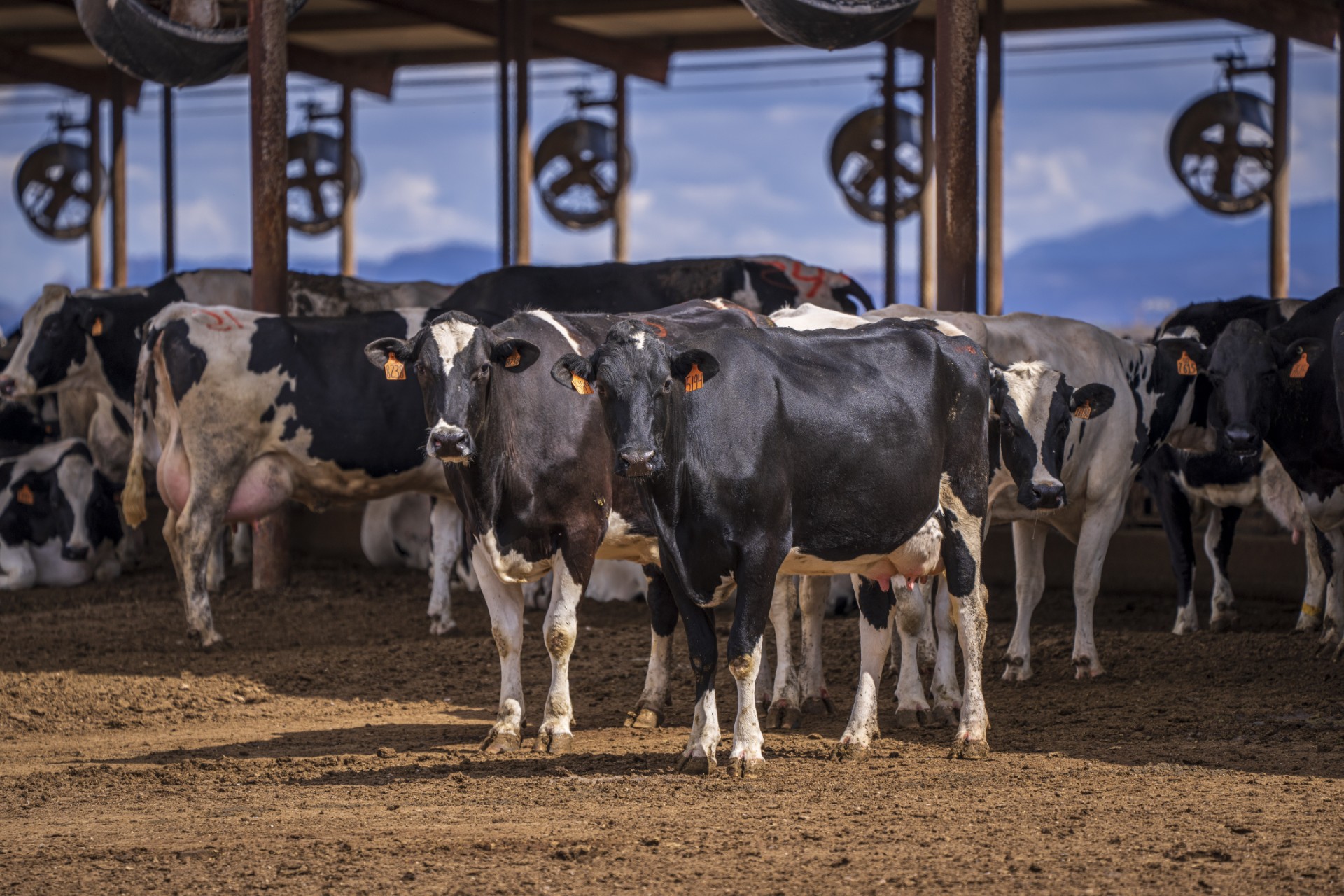
Four brothers – along with their father’s guidance – have taken dairy farming to the next level, promoting sustainable, cost-efficient farming in a place where it’s necessary, using everything from effective water management to Artificial Intelligence innovations.
Paloma Dairy in Gila Bend, AZ, is a family-owned and operated United Dairymen of Arizona member-farm producing high-quality milk since its founding in 2006, but the Van Hofwegen’s dairy journey starts long before then.
Robert T. Van Hofwegen began dairy farming in 1981 with his father, Robert L. Van Hofwegen in Tolleson, AZ. Together, they owned and operated Westwind Dairy, Eastwind Dairy and Hofwegen Holsteins for ten years before Robert T. became the sole owner. Robert T.’s early years were focused in the milking parlor, with just 200 milking head at the time, growing to 2,000 cows by the late 1990s, when the local area started becoming more urban.
In Arizona, high temperatures and water scarcity create challenges for dairy farmers. It’s also a border state, which brings its own set of labor dynamics. That comes along with the standard issues dairy farmers face nationwide: rising energy costs, evolving regulatory hurdles and feed costs, among other issues.
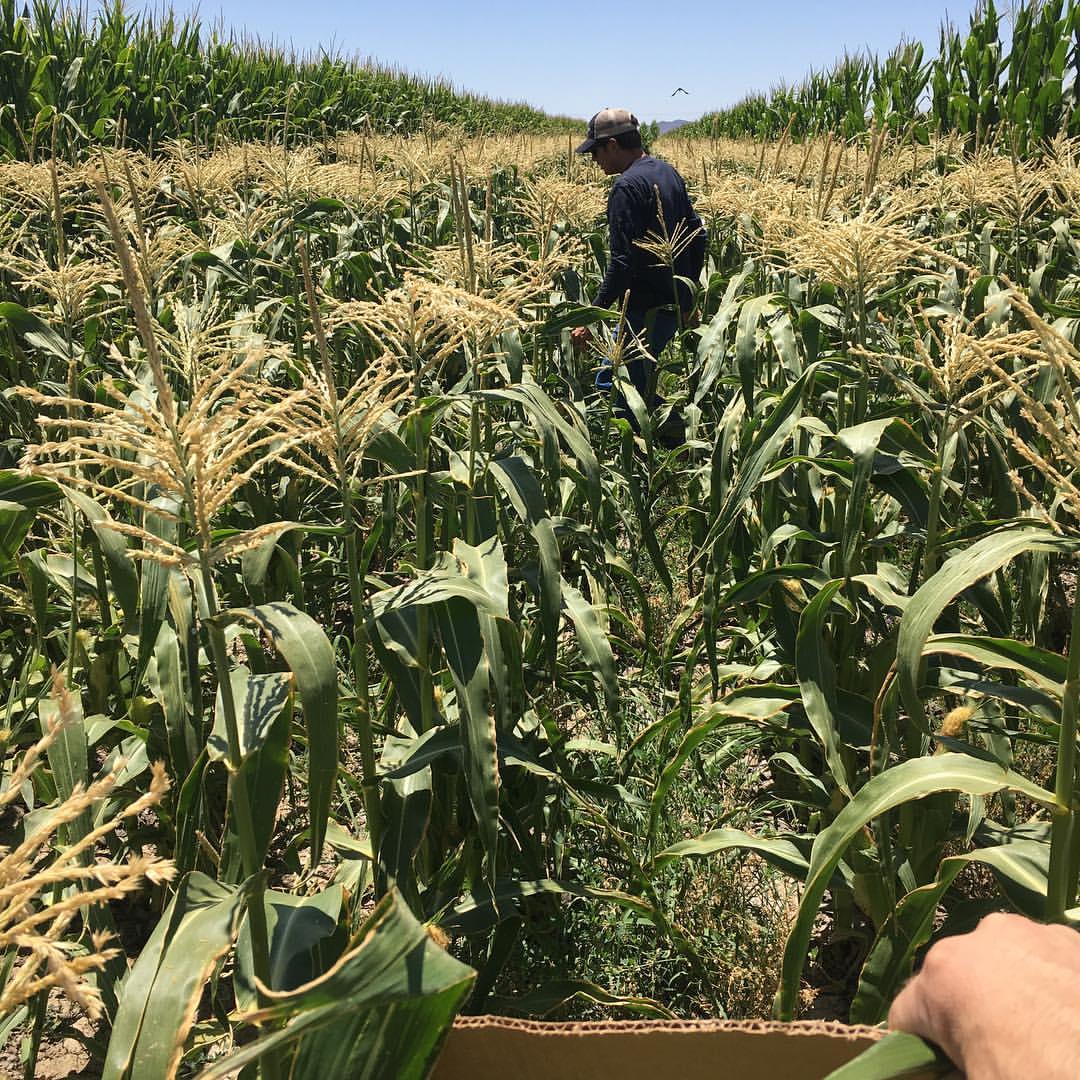
In 1996, the family branched off into harvesting in partnership with a local farmer to help offset some of those challenges. Robert Jr., the eldest Van Hofwegen brother, fell in love with crop farming from the beginning. He spent time learning what it took to produce quality feed for his family’s cows.
At the same time, urban development was expanding into Arizona’s agricultural land, but an opportunity presented itself in Gila Bend in 2002, where the family was able to acquire larger parcels of acreage to secure what would become Sunset Farms. Today they grow alfalfa, corn silage, wheat, barley and cotton across 7,000 acres.
In June of 2006, the three previous dairy operations merged into one, now known today as Paloma Dairy. The operation is comprised of 8,500 Holstein milking cows, with just under 16,000 total head. It’s managed by Robert T. and his four sons: Allan, Robert Jr., Arie and Kyle.
“Most farmers in this region import the grain from the Midwest,” said Robert T. “We process our own grain that we grow here.” The farm uses variable-rate fertilizing and planting combined with dairy nutrients to create their feed supply. This supports lower emissions and small-scale food systems while cutting fuel and feed costs.
Technology also plays a factor in the farm’s success, Arie Van Hofwegen said.
In fact, Arie began programming Raspberry Pi microcomputers in 2016 to monitor the farm’s well performance and track water usage. “That’s a priority for us, finding ways to conserve water,” he said. The computers use Node-Red coding language that Arie created with the help of an AI model, allowing him to tailor data collection.
The best part? The cost of implementing Raspberry Pis was significantly cheaper than hiring a company to install and manage the system. Not to mention the value-add of having data at their fingertips, he said.
“The value of that data is, it’s crazy. Now, my brother relies on it, and you kind of go, how did we ever get by?” said Arie. “He used to send trucks up and down the canals to take a look at levels, and it would take a guy all morning just to check the entire ditch system and now it’s just, it’s instant.”
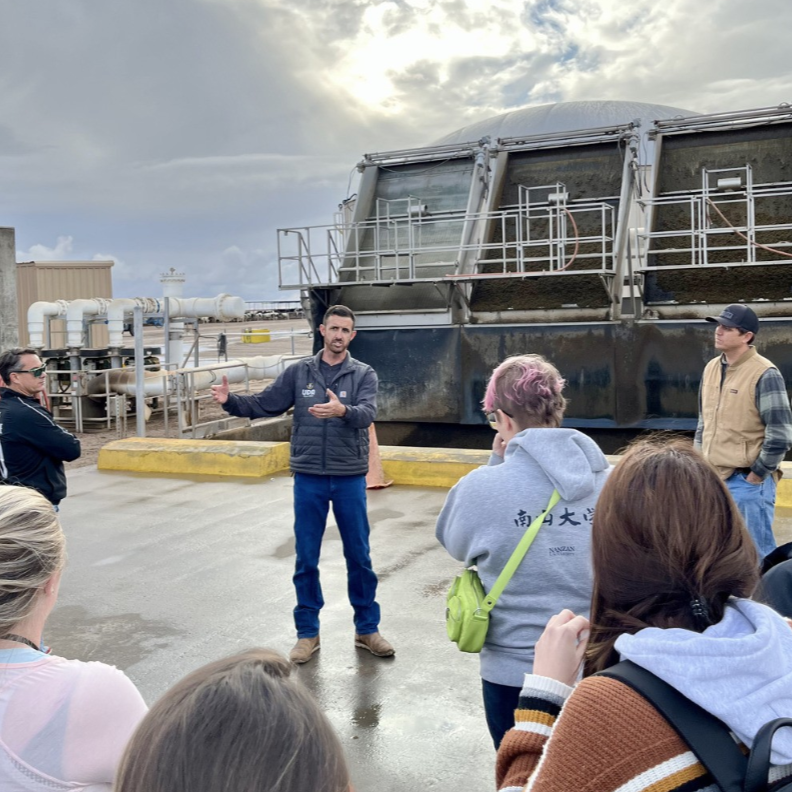
The farm also participates in the National Dairy FARM Environmental Stewardship (FARM ES) Program as another way to measure and monitor its data. “To have that data through FARM ES, you’re not having to go dig through your filing system every year,” Allan explained. “I think if farmers would do that more, they can start to see things that they could do differently as far as management. That’s probably what I see as the real benefit of FARM ES.”
Arie was quick to agree, “It certainly showed its value, and I think that’s what we’re kind of continuing to do, is, like, wait a minute, if we were to put this all together, what else could we learn from it?”
The farm has used energy audits and FARM data to shape capital investments and business strategies. “You know, we call ourselves dairymen, but it’s agribusiness – business in capital letters,” said Robert T.
Allan says that as farmers, it’s only natural to care about the environment. The Van Hofwegens participate in leadership roles within their local agricultural community, with longevity as the biggest incentive to being good stewards.
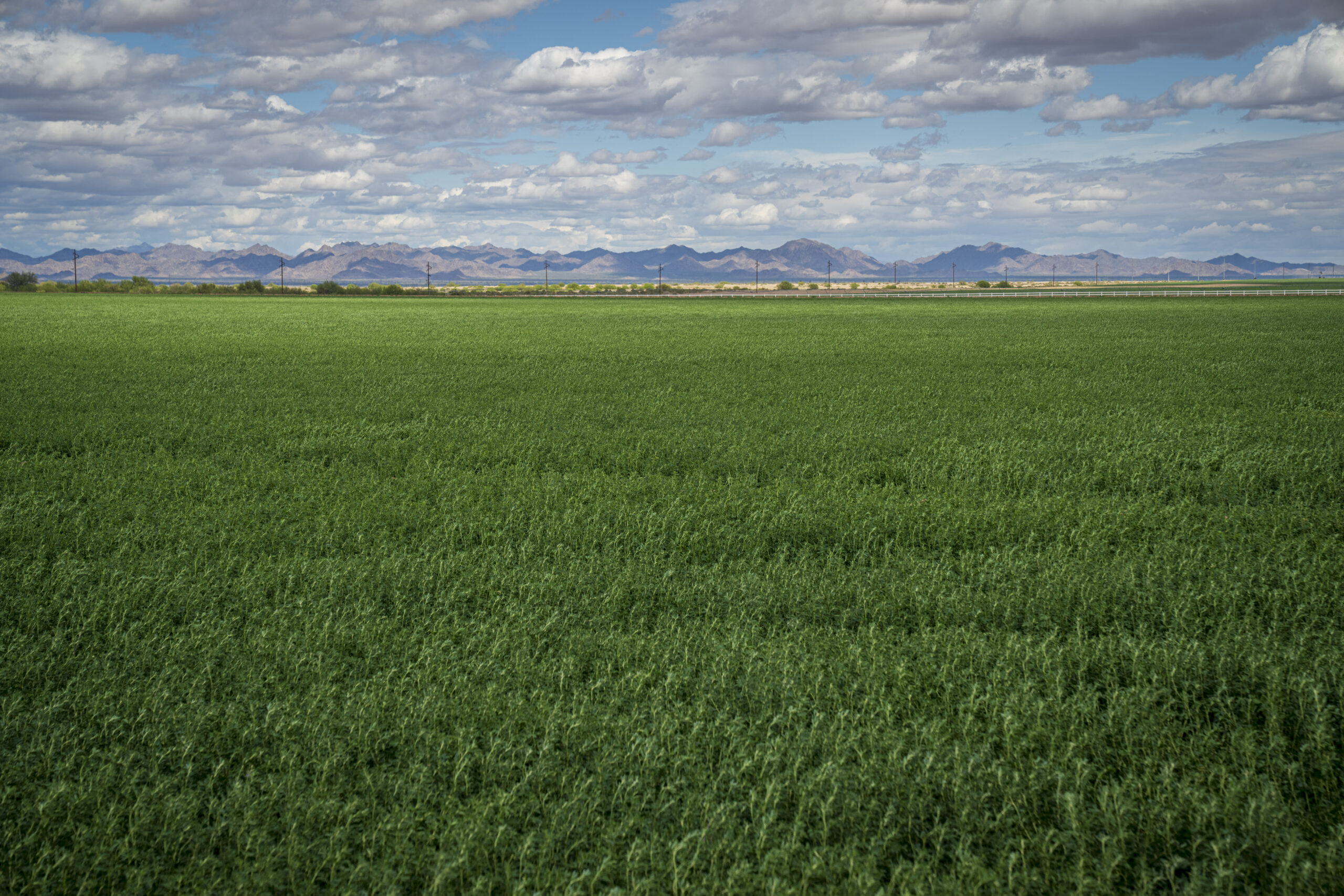
Robert Jr. serves as general manager of both Paloma Irrigation & Drainage District and Electrical District #8. The irrigation district supplies power and water to local agricultural users, while the electrical district uses power generated by the Hoover Dam, biofuels and an expanding portfolio of solar energy. Robert T. and Allan are also board members for the two districts.
“The irrigation district is the biggest customer of that power district, so you can see the natural incentives and benefits to not just our family, but also the businesses that surround our family,” said Allan.
The Van Hofwegens collaborate with partners across Arizona to support the expansion of green energy infrastructure. Robert Jr. has even gone so far as to advocate for green energy tariffs and was successful in establishing renewable energy credits for the power district.
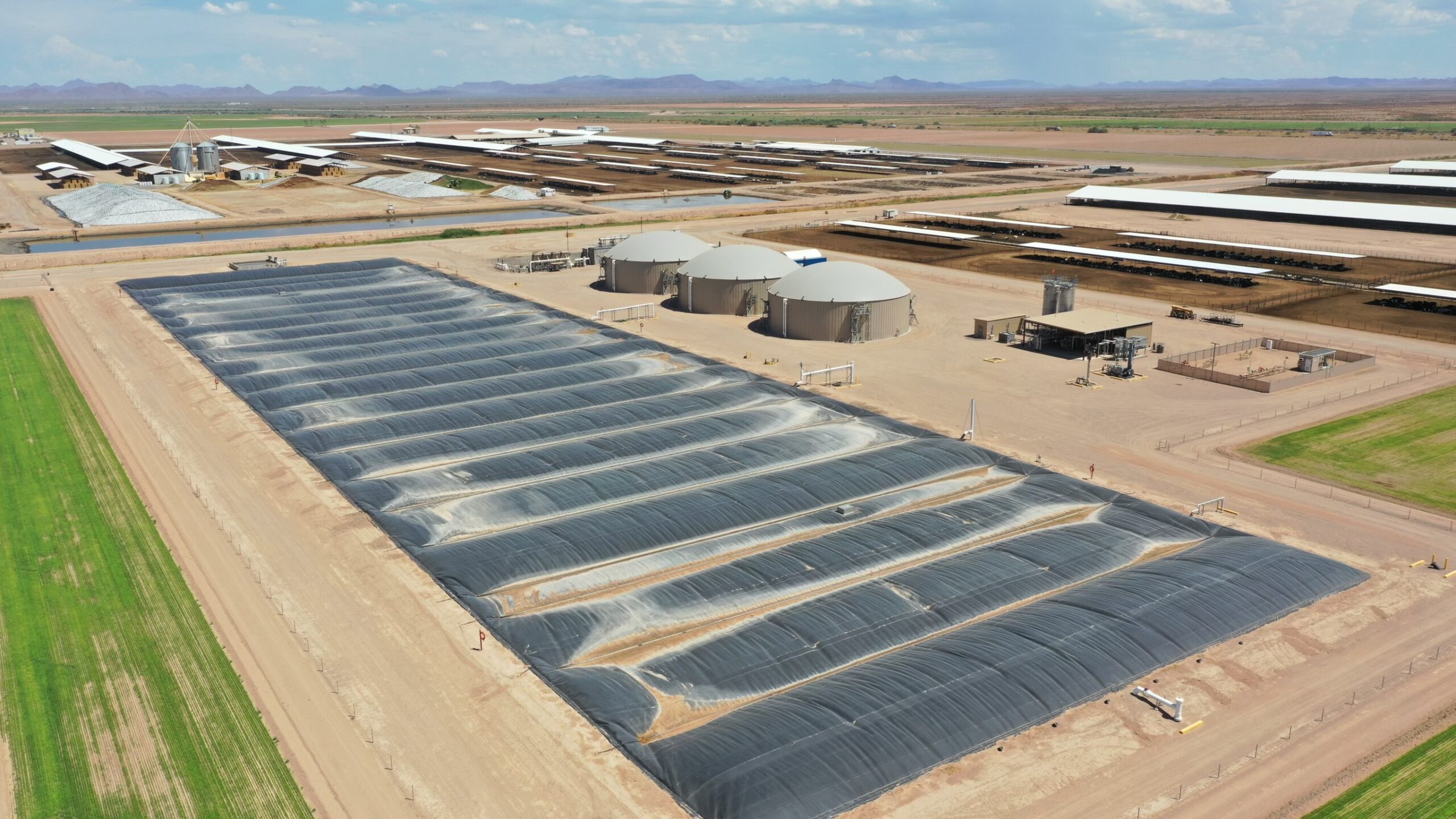
The farm’s most recent project is the Sunoma Renewable Biofuels Project, a methane digester that captures emissions and produces renewable natural gas. Arie serves as the manager of the gas plant, with all five Van Hofwegens operating as co-owners.
“We’re very involved, from day one of designing it and now operating it,” said Arie. This project is a closed-loop model that reduces the farm’s environmental impact and supports regional energy goals.
The multiple business streams don’t just make their dairy operation effective – it makes it enjoyable, Robert T. said.
“If we didn’t make it fun, if we didn’t have broad boundaries and all we focused on was milking cows, I mean there’s a whole lot more to it,” said Robert T. “I feel privileged and honored to see that there’s interest in broad aspects of the business from my four sons, but our bottom-line product that we produce is liquid milk. Every day.”