- About
- Key Issues
Labor & Rural Policy
Sustainability
Animal Health
Nutrition & Food Safety
Labeling & Standards
- Programs & Resources
- Advocacy
- News
- Membership
- Events
- Stay Informed
- Contact
Cedar Knoll Dairy
Keymar, MD

The meals children eat at school are a reliable source of daily nutrition — and for some children, their best source.
That gives the 2026 Dietary Guidelines for Americans real weight for Justin and Hannah Watt, farmers at Cedar Knoll Dairy LLC in Keymar, MD. Hannah, a Pre-K teacher, sees firsthand how federal nutrition guidance affects students and families alike.
“The Dietary Guidelines aren’t abstract for us. They reflect what’s served in classrooms and what we produce on the farm,” Hannah said.
The Dietary Guidelines for Americans, issued jointly by USDA and HHS every five years, serve as the federal government’s foundation for nutrition policy and shape guidance for programs such as school meals and nutrition assistance. The 2025-2030 guidelines released last month reaffirm the important role of dairy in a healthy diet by recommending three daily servings, recognizing dairy’s benefits at all fat levels, and highlighting its importance for all age groups.
“When dairy is recognized in the Dietary Guidelines, it reinforces the science behind our product,” Justin said. “The guidelines help inform consumers that dairy as part of a healthy diet.”
Rooted in scientific evidence, the guidelines underscore dairy’s role in providing 13 essential nutrients, some of which are often under-consumed, which supports health outcomes for families.
“It’s rewarding to see what we produce reflected in national nutrition guidance,” Hannah said.
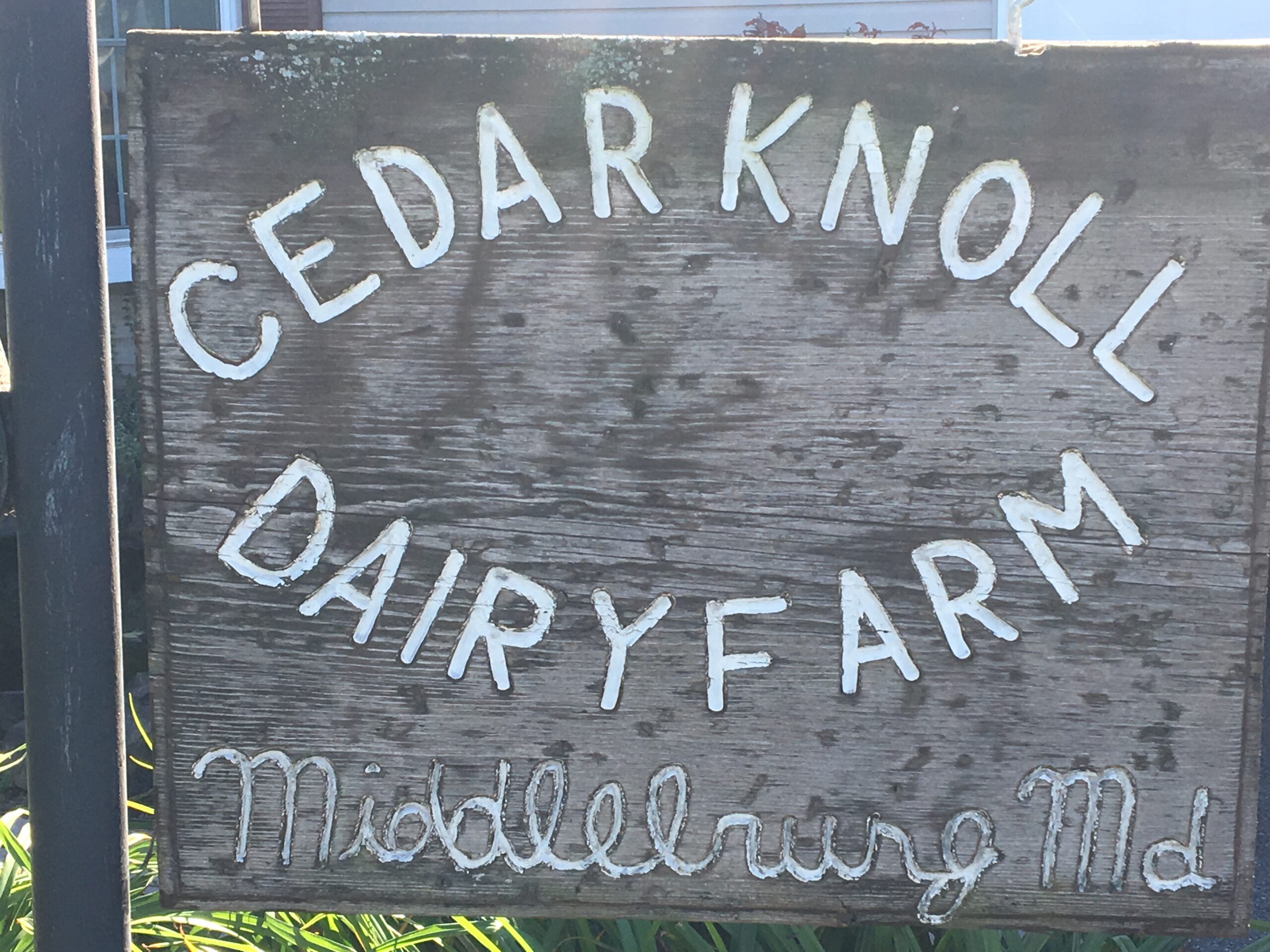
The Watts have two young children, while miking 170 cows and producing high-quality, nutrient-rich milk.
“Whole milk has always been part of our kids’ nutrition,” she said. “The Dietary Guidelines support how we already feed our family.”
As a Pre-K teacher, Hannah has seen firsthand the importance of providing healthy options for school age children.
“Access to dairy is especially important in schools,” she said, “Dairy is one of the most nutritious and trusted foods we have.”

While the Dietary Guidelines for Americans are written by federal agencies, their credibility and effects depend on the voices of the farmers who produce the food they promote.
“The Dietary Guidelines are stronger when farmers are part of the conversation,” Justin said. “Those involved in policy need to hear directly from the people producing the food.” He encourages other farmers interested in advocacy to visit the NMPF Take Action page, or to get involved with the Young Cooperators Program.
Justin and Hannah have both been involved with NMPF’s National Young Cooperators Program, serving as Vice Chairpersons in 2023, an experience they said helped them gain a better understanding of how policy influences aspects of the dairy industry, from nutrition policy to markets.
“Being a Young Cooperator helped us understand how nutrition policy connects to the farm,” Justin said.
And staying engaged in policy ensures that future guidelines continue to reflect both science and the realities of feeding the next generation, Hannah said.
“The Dietary Guidelines shape how the next generation eats, and dairy belongs in the conversation about healthy diets,” Hannah said.