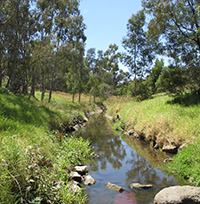
 ARLINGTON, VA – The National Milk Producers Federation has recommended a series of changes to the Environmental Protection Agency’s controversial Waters of the U.S. regulation, a proposal that could greatly expand the waterways subject to regulation under the federal Clean Water Act (CWA).
NMPF, the voice of more than 32,000 dairy producers in Washington, asked EPA to either include the organization’s recommendations in the proposed regulation, or withdraw the proposal and rewrite it.
In lengthy comments filed with the agency, NMPF stressed that, above all, agriculture needs certainty on which waterways fall under the jurisdiction of the CWA, and which do not. The draft regulation, it said, doesn’t provide that clarity.
NMPF asked EPA to clarify numerous terms in the draft, including “other waters,” “upland ditches,” ‘‘floodplain,’’ ‘‘tributary,’’ and ‘‘significant nexus.” In addition, it urged that any final regulation exclude from federal jurisdiction intermittent streams and wetlands adjacent to excluded streams. NMPF also asked EPA to publish maps clearly indicating the features that make a waterway covered under the CWA.
“Clean water is essential to milk production and the dairy industry is very willing to work with EPA to protect U.S. waters,” said NMPF President and CEO Jim Mulhern. “But EPA’s draft would only lead to more confusion and uncertainty around which waterways fall under the jurisdiction of the Clean Water Act. In addition, it would intrude on state responsibilities and do nothing to actually stop pollution.”
“This doesn’t help dairy farmers and doesn’t meet the requirements of the Supreme Court rulings that triggered the need for the regulation,” Mulhern said.
NMPF submitted 23 pages of comments on the EPA regulation, along with additional comments on EPA guidance for when farmers must seek CWA permits for a long list of normal farming activities near wetlands.
The draft WOTUS regulation, issued in March, expanded the waterways covered under the Clean Water Act to nearly all those connected to U.S. navigable waters. Many opponents argued the draft would have a devastating impact, particularly on agriculture.
NMPF first urged the EPA to rethink the regulation last spring, citing its many ambiguities and uncertainties. A subsequent NMPF analysis demonstrated that the EPA and Army Corps of Engineers’ proposal does not meet the requirements of various Supreme Court rulings that were the catalyst for the development of the regulation.
“As a result,” Mulhern said, “the proposed regulation does not provide certainty for the dairy industry, and it needs to be reworked, either through this comment process, or with a new proposal from the agency.”
The National Milk Producers Federation, based in Arlington, VA, develops and carries out policies that advance the wellbeing of dairy producers and the cooperatives they own. The members of NMPF’s cooperatives produce the majority of the U.S. milk supply, making NMPF the voice of more than 32,000 dairy producers on Capitol Hill and with government agencies.
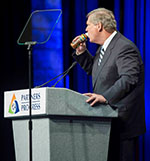 Friday, December 5, is the new deadline for signing up for the revamped federal dairy program, known as the
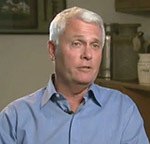
 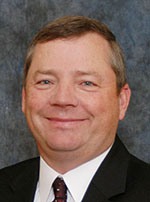 NMPF President Jim Mulhern and Board Chairman Randy Mooney (pictured) spelled out NMPF’s goals for 2015, now that the new federal dairy program is up and running.
 Also at the annual meeting, held at the Gaylord Texan outside Dallas, NMPF welcomed four new dairy cooperative members, two new board members and one new board officer.
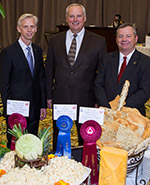 In other NMPF annual meeting news, a provolone made by Dairy Farmers of America in its Turlock, California, processing plant received the top award in the 2014 cheese competition, while Michelle Carter, communications specialist for Northwest Dairy Association/Darigold in Seattle, was named 2014 NMPF Communicator of the Year. Complete cheese contest results are on the NMPF
 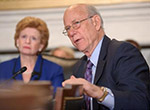 In the wake of major Republican gains in the mid-term elections on Tuesday, both the House and Senate agriculture committees will see new leadership.
 On the policy front, the Republican election left uncertain the prospects for congressional action on comprehensive immigration reform next year. NMPF and other farm organizations have pledged a major push on immigration in 2015. However, if any major reform legislation passes in the Republican-controlled Senate, it is likely to be somewhat different from the 2013 Senate bill, which was backed by NMPF. That bill included an historic agreement ensuring that dairy farmers could both maintain their current workers and have the workforce needed to meet future needs. NMPF will work to ensure that any immigration reform legislation considered by the House and Senate leadership reflects the major priorities of dairy farmers across the country.
 In October,
  NMPF joined the U.S. Dairy Export Council last month in detailing for the office of the U.S. Trade Representative some of the key trade barriers affecting the domestic dairy industry. The organizations submitted 18 pages of comments as part of USTR’s annual exercise of summarizing important trade barriers to U.S. exports.
 In a change designed to strengthen both consumer understanding and industrywide implementation of NMPF’s dairy animal care program, each dairy marketing organization participating in the Farmers Assuring Responsible Management (FARM) program must now include all its farmer-suppliers in the on-farm evaluation program.
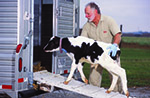 The latest FARM Program annual summary further demonstrates the widespread adoption on dairy farmers across the nation of standards and practices that assure high-quality animal care on dairy farms.
 Emily Metz Meredith (pictured), vice president of communications and membership for the Animal Agriculture Alliance, will join NMPF later this month as vice president of animal care. She replaces Betsy Flores, who left for a position at the U.S. Department of Agriculture in mid-October.