(Adapted from prepared remarks before the membership of the National Milk Producers Federation in Phoenix, Oct. 30, 2018)
I’ve told you before how proud I am to work for you, but I have never been more proud to work on your behalf than this year – as challenging as it has been — and to work with our great staff.
You heard a lot from them today on a number of challenging and important issues that we are dealing with. You heard about the farm bill and the need to fix the safety net; the need to improve the tariff mitigation package to address the lack of support that has been provided for our industry; the trade policy challenges that lay before us. You heard about the efforts through the FARM program to make sure that we continue to earn consumer trust because you don’t have a business if we don’t have a market for our product.
But another area where we face challenges for our product is through the fake foods that are popping up in the marketplace using dairy terminology to promote their sale. If you come to these meetings and ever wonder about the value of your time spent here, I want to tell you a story.
It was at this annual meeting two years ago that we talked about the problem of imitation foods. They’re not new concerns. I remember writing to the Food and Drug Administration in the early 1980s about what was then this imitation product called soy “milk,” and how the FDA was turning a blind eye toward it. The FDA said at the time that understood it was an issue of standards of identity, but they said their focus was on food safety and they didn’t have the resources to deal with it.
After I heard our farmers raise these concerns at the meeting two years ago, it was clear it wasn’t enough to raise this issue with FDA on a one-off basis. When we heard from you we knew we needed to do a campaign to address this problem. It resulted in legislation by Senator Tammy Baldwin from Wisconsin, the DAIRY PRIDE ACT. That bill has a House counterpart and strong bipartisan support on both sides of Capitol Hill.
But I felt at the time that legislation wasn’t going to be enough to get things done. We’d have to use other avenues. And that’s what we’ve been doing. We’ve been raising this issue in the media and taking it directly to FDA. The message we’ve sent is, these fake products are nutritionally inferior and we’re not going away until FDA enforces the law.
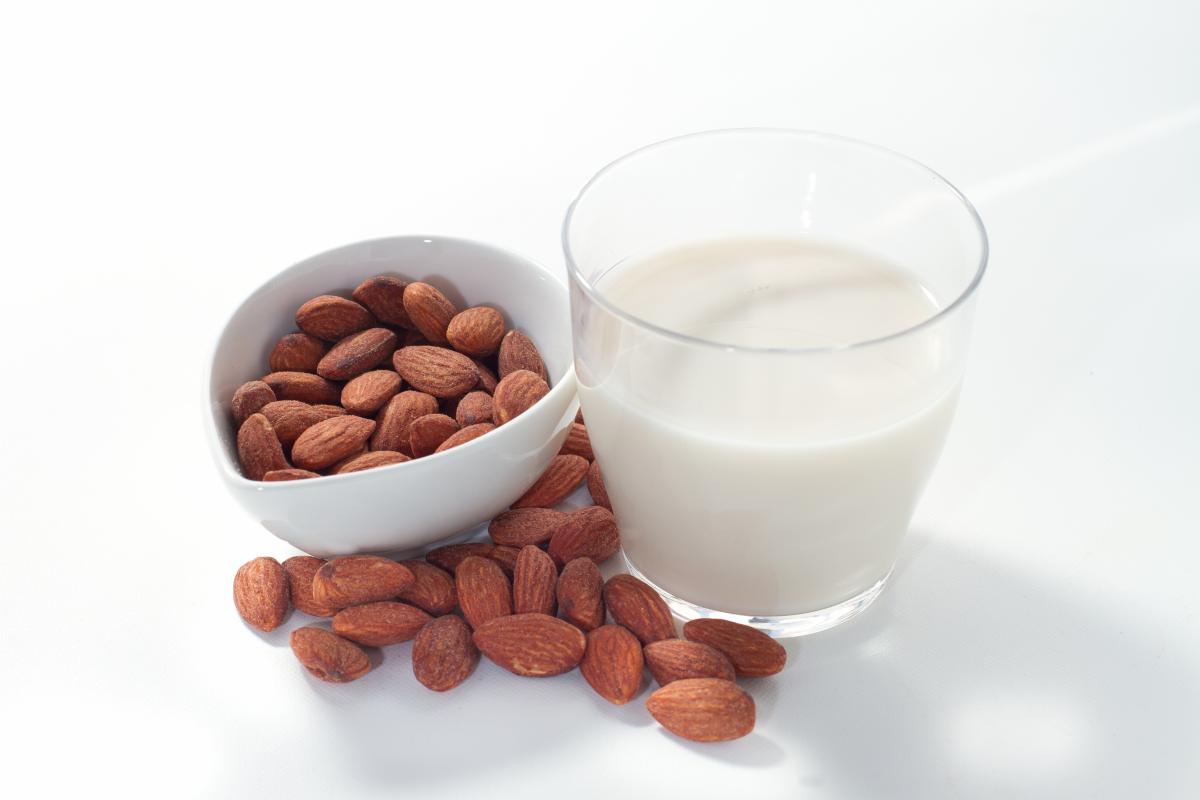
You know the products that are out there. Many of them are beverages that call themselves a form of milk: almond milk, coconut milk, oat milk. That’s the only time you will hear me say the word “milk” in association with those products, because they are definitely not dairy products. They have grown in market share and we are seeing more and more of them in the marketplace.
One example, Oatly, comes from Sweden, where it’s been marketed as something called “havre dryck.” I don’t think that’s a bad name — that’s what they should call it here! But when they marketed it here they called it oat milk. And then they had the temerity to write a letter to FDA and say you can’t force us to take the word milk off our label, because consumers wouldn’t know what it was. But they’ve been selling it as oat beverage in Sweden for 25 to 30 years! That’s the game here. It’s all marketing. Trying to get market share. And the reason they don’t call it “oat milk” in Sweden is because Swedish law forbids it. Here, FDA lets them get away with it.
But you know, it’s not just in the beverage category anymore. We’ve got fake products calling themselves yogurt. They have all the buzzwords that are hot in consumer products – artisan, whole food, probiotic. Whatever these marketers think will sell, they’ll call it.
Fake cheese, fake mozzarella. With the growth and improvements in food technology we’re going to see more and more of these products ripping off dairy terms, formulating it in a lab and selling it as milk. So, we’ve got beverages, we’ve got fake yogurts, we’ve got fake cheese, and now it’s moved into fake butter. Those plant-products starting to call themselves butter already meet an existing FDA standard of identity for a product. That product is called margarine. But what’s happening to margarine sales? They’re in long-term decline. Butter sales are going up. What’s a clever marketer to do? Don’t change the product, just change the name. And that’s what’s happening throughout the marketplace.
But none of them, not one of them, matches the nutritional package of milk. That is an issue of serious concern. Milk is the most important source of nine essential nutrients in the diets of children, according to USDA data. Our staff has reviewed over 300 of these fake products, examined the Nutrition Facts label, and we couldn’t find one that matched milk’s nutritional profile.
We’re looking at what other countries are doing. We’re looking at Canada. We’ve had our problems with Canada on some dairy policy issues, but Canada’s got it right when it comes to labeling these products. The exact same product that’s allowed to be sold here as “almondmilk,” in Canada it’s called almond beverage. Canada has similar regulations on this matter as we do here in the U.S. The difference is that Canada enforces theirs while our FDA does not.
We live in a free market. These beverages aren’t going away, and consumers who want them should have every right to buy them – if they’re properly labeled. But they shouldn’t be labeled in misleading and deceptive ways. And that’s the issue we are raising.
The FDA has put out a request for information from the industry and consumers to consider in potential rule-making. The comment period is open right now. We’ve got to take this on. We can win this. We’ve got to win this. It’s important to the future, and it’s important to consumers. We live in a country that’s overfed and undernourished. Part of why they’re undernourished and overfed is that they’re not consuming enough of the great nutrition in milk and dairy products. They’re getting too many empty calories. This FDA process can help address that. Let’s do this together.
 After decades of NMPF efforts to halt misleading labeling of imitation dairy foods, the U.S. Food and Drug Administration (FDA) said it’s opening a comment period this fall to review the marketing practices of plant-based foods.
 National Milk recently announced several staff changes that will strengthen and expand NMPF’s services to its members and the nation’s dairy producer community.