ARLINGTON, VA – The National Milk Producers Federation (NMPF) today announced several staff changes that will strengthen and expand NMPF’s services to its members and the nation’s dairy producer community.
Chris Galen, NMPF’s long-time head of communications, is assuming a new role as Senior Vice President of Member Services and Strategic Initiatives. He will work directly under Jim Mulhern within the Office of the President and CEO, strategizing, developing and executing services to members, associate members and allied dairy organizations.
“Chris has served our members and the industry with great distinction and effectiveness as our lead communicator for many years,” said Mulhern. “His knowledge and skills will help expand our ability to deliver on our goal of exemplary service to members and will elevate the critical importance of these efforts.”
Alan Bjerga, formerly a journalist with Bloomberg, joins NMPF as its new Senior Vice President of Communications. Bjerga spent 11 years at Bloomberg as its lead writer on national farm policy issues, covering high-visibility topics like the Farm Bill, agricultural trade policy and rural economics.
His book on global hunger and food security, “Endless Appetites,” was published in 2011. Bjerga has also been a frequent contributor to Bloomberg’s other media platforms, along with NPR, the BBC, PBS Newshour, C-SPAN and more. In addition to his media work, Bjerga is an adjunct instructor at Georgetown University’s School of Continuing Studies. Bjerga is a past president of the National Press Club in Washington, D.C., and the North American Agricultural Journalists.
In his new role, Alan will lead NMPF’s communications efforts, focusing on media relations, marketing and digital storytelling. Highlighting the importance of agriculture and the work of NMPF’s members to key audiences is a crucial task during a challenging time for the industry, Bjerga said.
“My work has long been focused on the well-being of rural communities, many of which depend on dairy,” Bjerga said. “It’s an honor to have this opportunity to serve farmers and their families in a new and compelling way.”
“We’re excited to welcome Alan’s breadth of journalism, communications and farm policy experience,” said Mulhern. “His wealth of experience will help diversify NMPF’s communications efforts, introducing new and better ways to reach our varied audiences on a daily basis.”
Mulhern also announced that Jaime Castaneda, NMPF’s long-time head of strategic initiatives and trade policy, will become Senior Vice President of Policy Strategy and International Trade. “Jaime plays a lead strategist role in helping to develop NMPF positions on a host of policy issues, both domestic and international. This new title better reflects his important role in the organization,” Mulhern said.
In addition, Nicole Ayache has joined National Milk as Director of Sustainability Initiatives. Prior to joining the NMPF staff, Ayache worked as a consultant for the dairy industry’s animal care and sustainability program, Farmers Assuring Responsible Management (FARM), as well as the Innovation Center for US Dairy. Ayache has extensive experience developing sustainability programs and reports, creating procurement policies, and has conducted sustainability research for dairy cooperatives, environmental NGOs, and protein processors.
“Nicole is a great addition to our team and we are thrilled to have her expertise and experience deployed on behalf of the nation’s dairy farmers,” Mulhern said. “Her leadership of our environmental stewardship and our newly launched workforce development programs within the FARM Program will help ensure these efforts effectively address the needs of our producers and customers.”
“These organizational changes reflect our drive to expand service to our members in what has been a challenging time for dairy farmers,” said Mulhern. “We just entered our second century as an organization – and we’re not slowing down. Strengthening our team through these staff changes will ensure a strong and capable organization for years to come.”
###
The National Milk Producers Federation (NMPF), based in Arlington, VA, develops and carries out policies that advance the well-being of dairy producers and the cooperatives they own. The members of NMPF’s cooperatives produce the majority of the U.S. milk supply, making NMPF the voice of dairy producers on Capitol Hill and with government agencies. For more on NMPF’s activities, visit our website at www.nmpf.org.

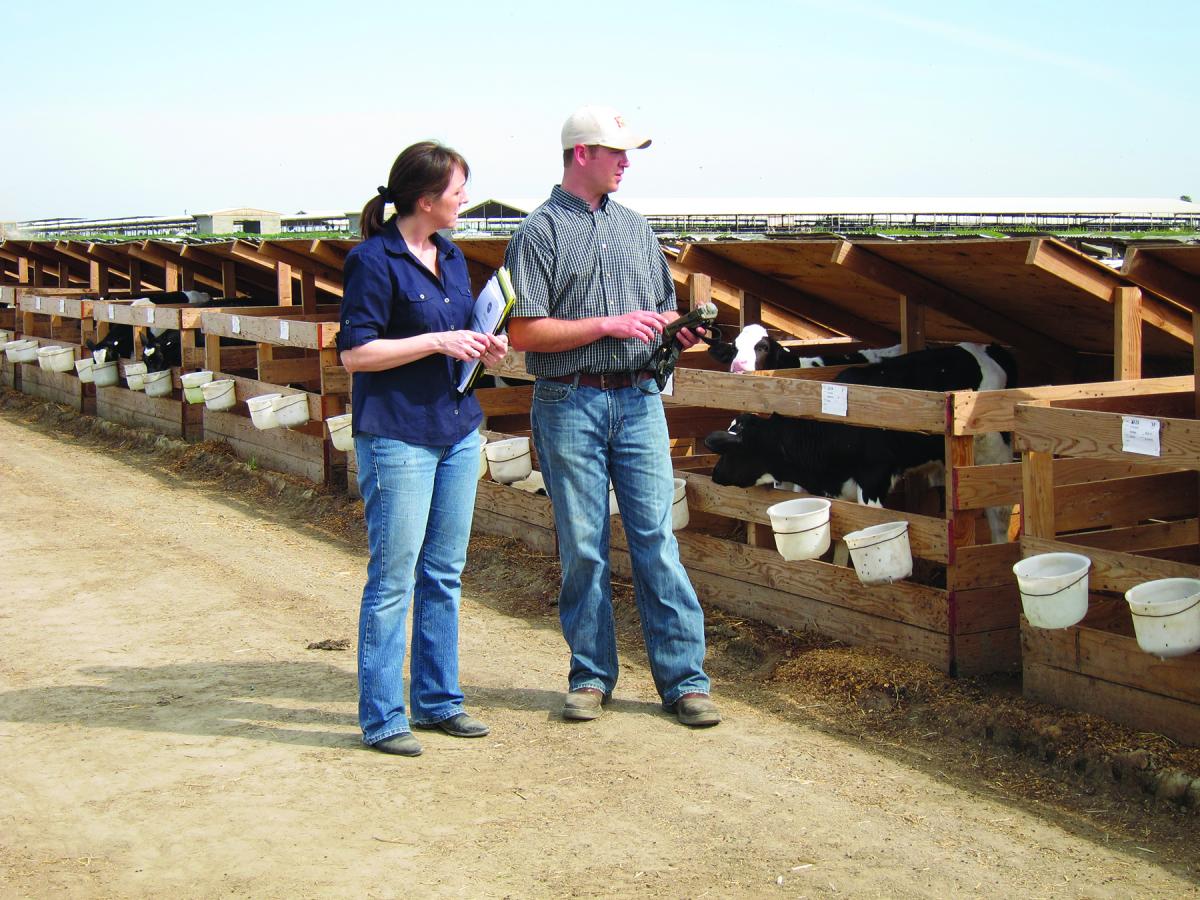
 On Oct. 2, the National Dairy FARM Program announced the launch of its fourth program area, FARM Workforce Development. The initiative provides U.S. dairy farm owners and managers with educational tools that offer best management practices around human resources – including hiring, training, and supervision – and worker health and safety.
 The National Dairy Farmers Assuring Responsible Management (FARM) Program has announced the founding members of its inaugural Farmer Advisory Councils. These groups provide guidance and input for consideration into the FARM Program’s ongoing and future development.
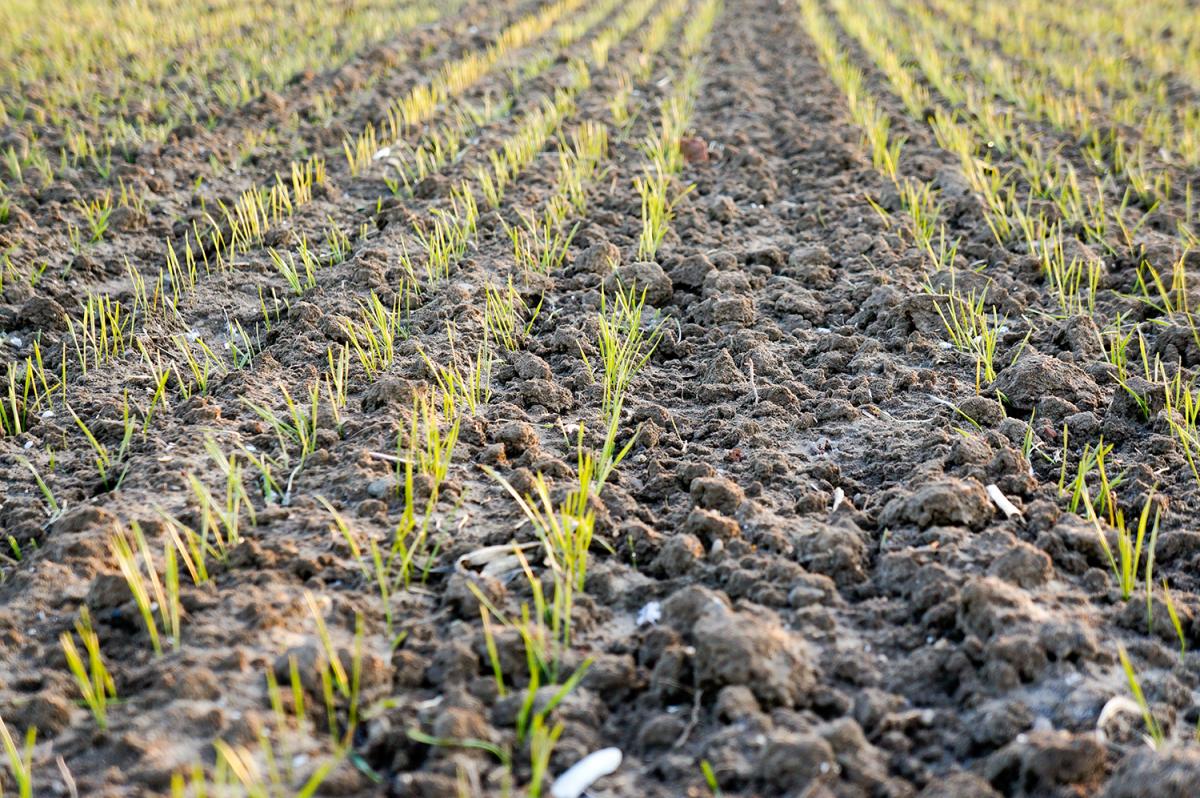 The U.S. Court of Appeals for the Sixth Circuit delivered two decisions on Sept. 24 that are consistent with NMPF’s comments regarding the Clean Water Act (CWA). Both decisions determined that the CWA does not extend to pollution that reaches surface waters via groundwater, reflecting a position NMPF also endorses.
 In less than a month, hundreds of U.S. dairy community leaders will descend upon Phoenix, Arizona, to attend one of the largest dairy conferences in the country: the 2018 NDB/NMPF/UDIA Joint Annual Meeting. To register for this year’s event, please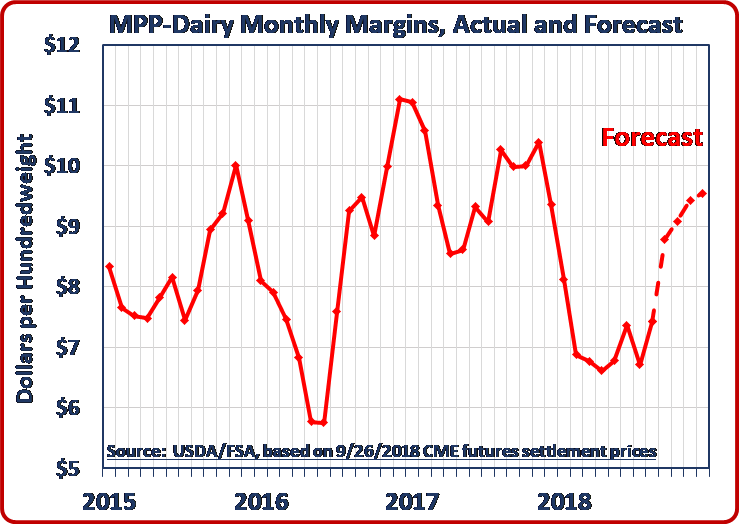
 Cooperatives Working Together (CWT) helped member cooperatives secure 26 contracts to sell 3.9 million pounds of American-type cheeses and 13.5 million pounds of whole milk powder in September. The products will go to customers in Asia, the Middle East, North Africa, Central America, Oceania and South America – 13 countries overall – during the months of September 2018 through March 2019.
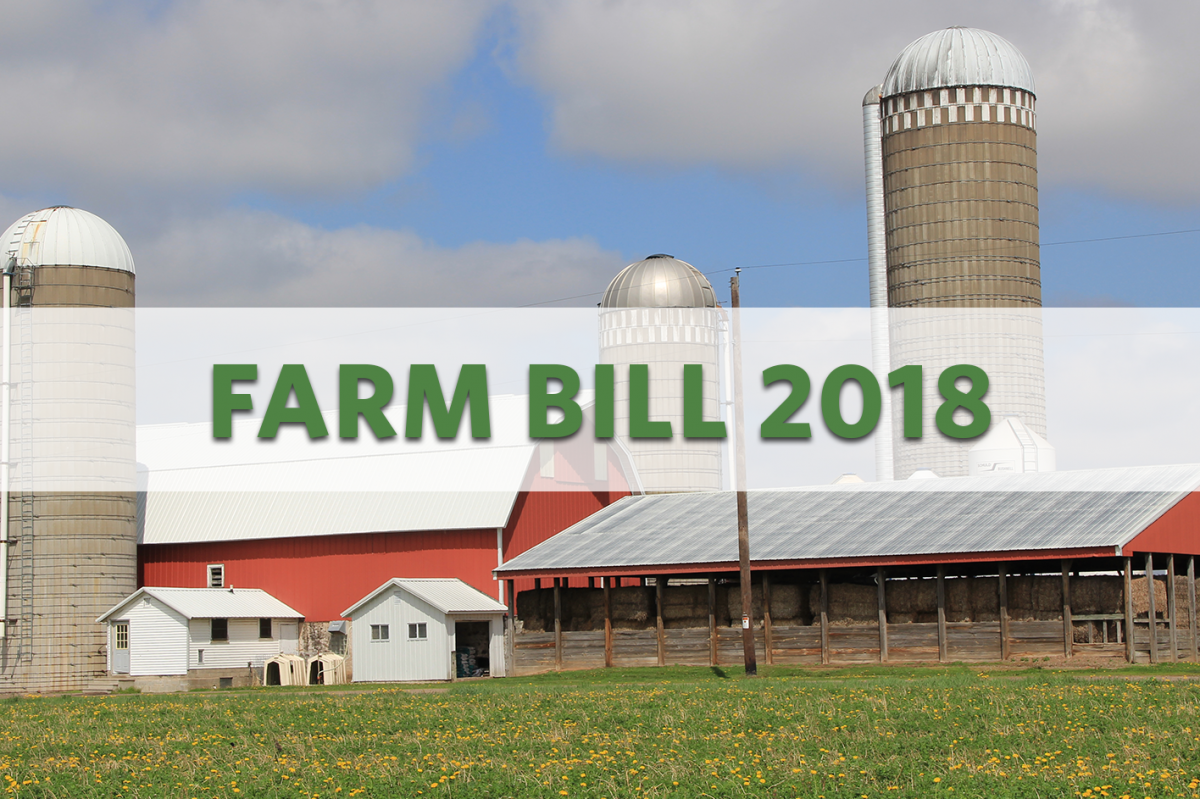 Congressional efforts to pass a new Farm Bill before Sept. 30 have failed, but several major programs, including the dairy Margin Protection Program, will continue until the end of the year. Negotiations over the bill will continue, even as of the House of Representatives has adjourned until after the midterm elections.
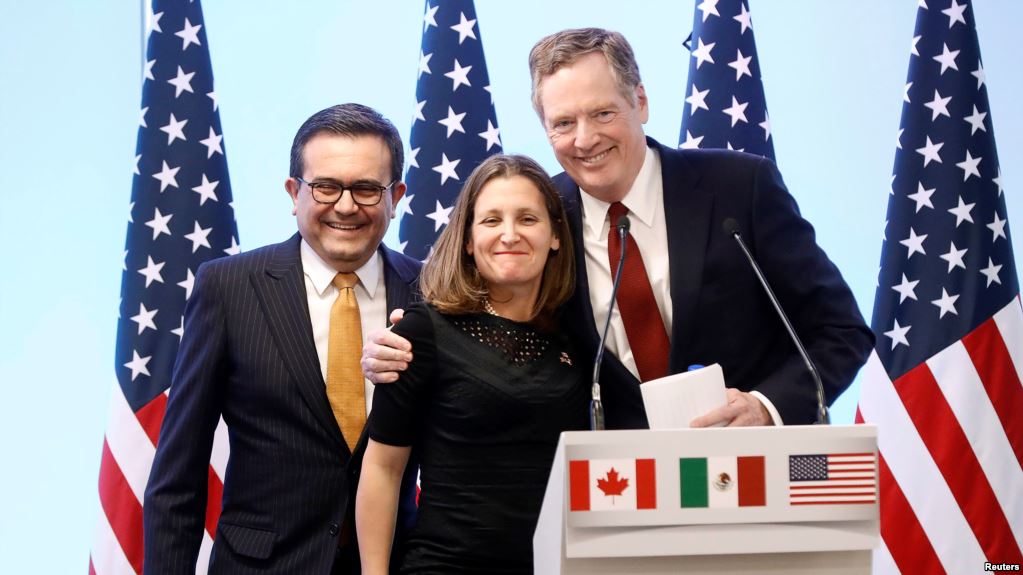 The month of October ushered in a new trade agreement: the U.S.-Mexico-Canada Agreement (USMCA), which is designed to replace the longstanding North American Free Trade Agreement (NAFTA). The new agreement will allow the U.S. dairy industry to continue developing new markets while eliminating Canada’s trade distorting Class 7 policy.
 ARLINGTON, VA – The U.S. Food and Drug Administration (FDA) should take prompt enforcement action against seven “butter” substitutes that flagrantly violate the agency’s food labeling requirements and thus are misbranded, the American Butter Institute (ABI) said today at its Board of Directors Meeting in Fort Lauderdale, Florida.
 ARLINGTON, VA – The National Dairy FARM Program announced today the launch of its fourth program area, FARM Workforce Development. The initiative provides U.S. dairy farm owners and managers with educational tools that offer best management practices around human resources – including hiring, training, and supervision – and worker health and safety.