With President-elect Trump and a new Congress about to take office next month, NMPF is seeking a dialogue with incoming officials on several issues critical to the health of America’s dairy farms. This list includes leading a discussion about how U.S. dairy exports help the economy and benefit from an effective trade policy, as the National Milk Producers Federation and the U.S. Dairy Export Council (USDEC) explained in a letter sent Tuesday to President-elect Donald Trump.
In the groups’ letter to the President-elect, NMPF President and CEO Jim Mulhern, and USDEC President Tom Suber, highlighted the positive impact that prior trade agreements’ agricultural provisions have had on the dairy industry and, further, on employment in rural America. To maintain these benefits, the letter said, it is important to preserve current overseas dairy sales while seeking to achieve new gains by removing foreign barriers that currently hold back additional exports.
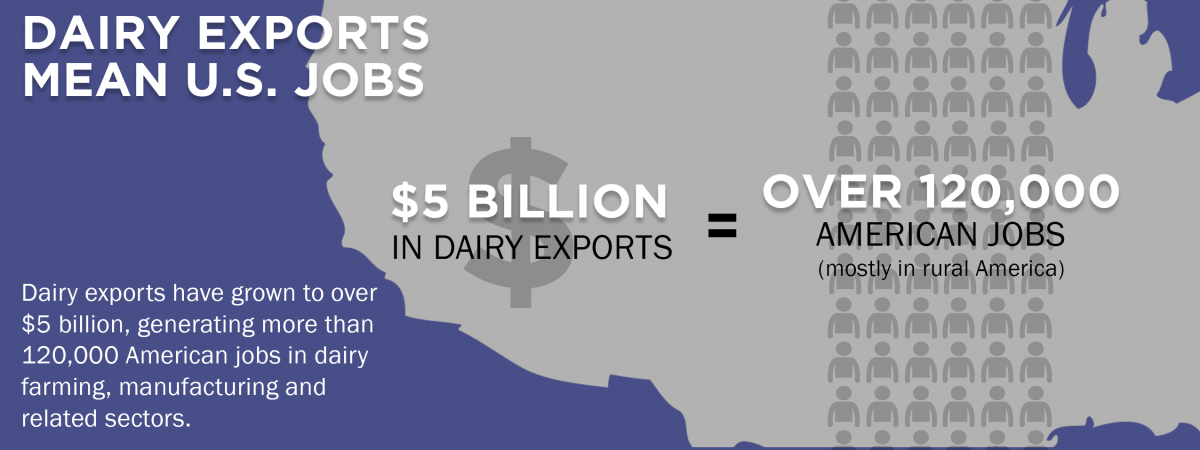
The USDA estimates that at the dairy farm level, each $1 billion of U.S. dairy exports generates more than 20,000 jobs and almost $3 billion of economic output. At the manufacturing level, USDA calculates that U.S. dairy exports support approximately 3,200 jobs per $1 billion of exports. Currently, the U.S. exports the milk produced on American farms one day of each week.
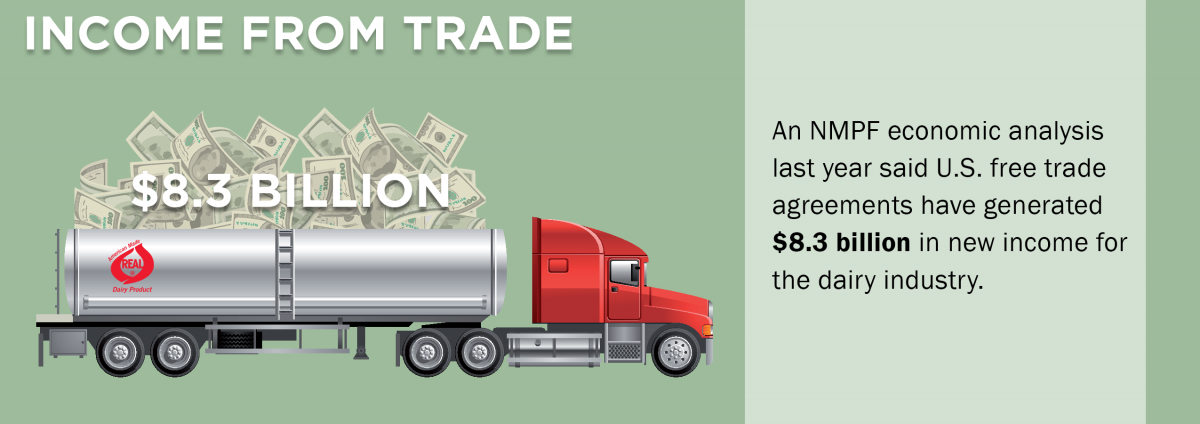
“During the last two decades, dairy exports have grown from less than a billion dollars a year to over $5 billion last year, in the process generating more than 120,000 jobs in dairy farming, manufacturing and related sectors,” the letter said. A 2015 NMPF economic analysis calculated that U.S. free trade agreements’ (FTAs) dairy provisions have played a key role in that growth, generating an additional $8.3 billion for the industry between 2004-2014.
 To maintain and grow those sales, U.S. dairy farmers and processors need a level international playing field to compete, the letter to Trump noted. Additionally, NMPF and USDEC noted their agreement with President-elect Trump that current trade agreements must be strictly enforced. Protectionist policies that run contrary to established agreements, such as the Canadian dairy pricing schemes and the European abuse of geographical indications, must be immediately addressed and reversed. NMPF and USDEC also listed other key factors to help preserve overseas dairy sales, including a focus on how U.S. regulatory agencies should do more to resolve technical trade barriers to exports.
“We want to work with you to grow the rural economy and increase American jobs for dairy farmers and processors,” the letter concluded, “by tackling the various international trade challenges facing them.”
 ARLINGTON, VA – The National Milk Producers Federation (NMPF) and the U.S. Dairy Export Council (USDEC)
 The first annual FARM Program Evaluator Conference, held after NMPF’s annual meeting earlier this month, drew strong turnout from more than 60 evaluators representing the majority of companies participating in the National Dairy FARM Program.
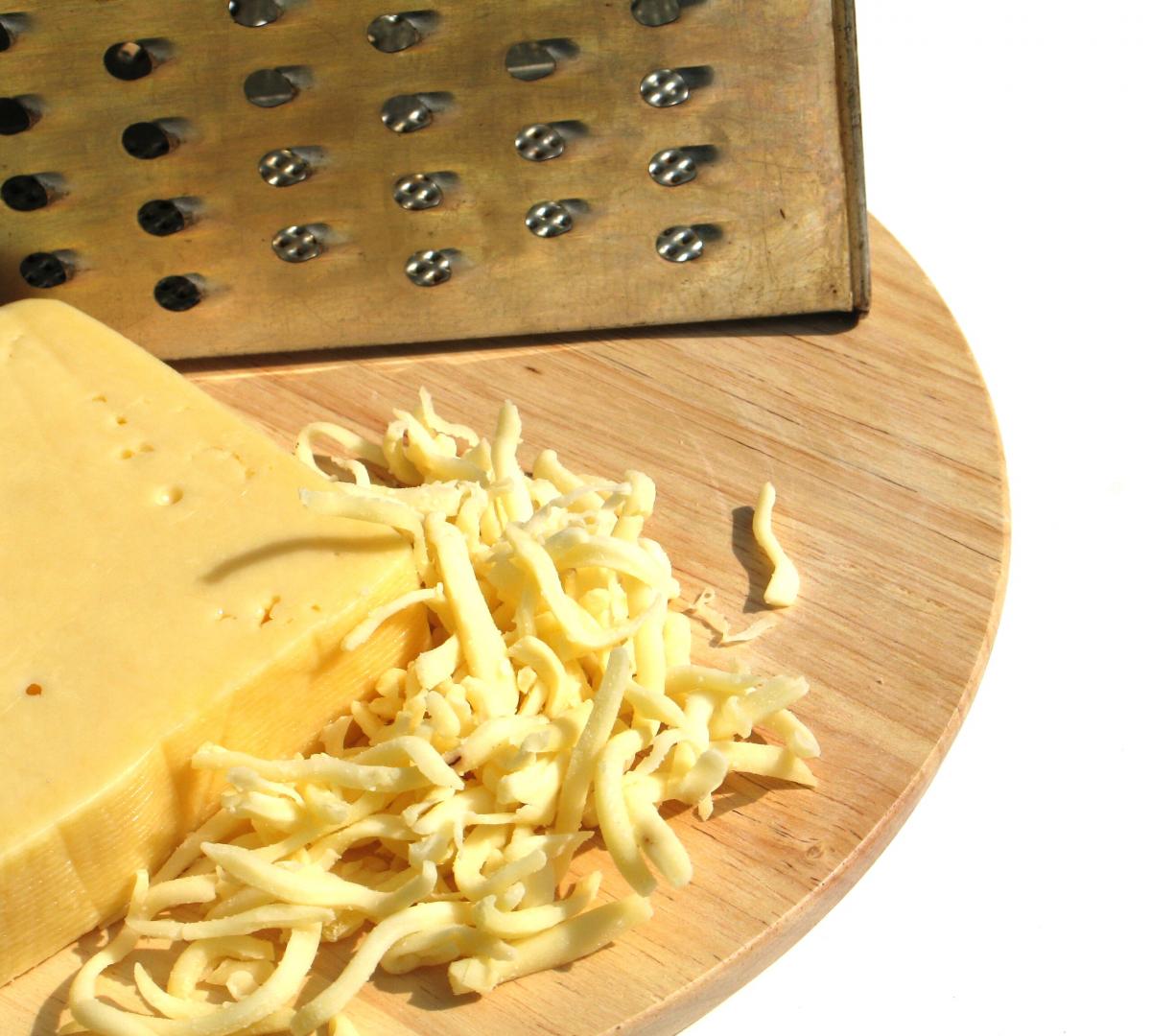 Efforts by the Food and Drug Admiration to advocate a one-third reduction of the sodium content of cheese drew strong opposition last month from NMPF.
  The Environmental Protection Agency (EPA) pursued a highly-politicized approach to implementing its controversial Waters of the U.S. regulation updating the Clean Water Act, according to a congressional report issued last month. That report, coupled with the anticipated change in management of the EPA under the new Trump Administration, is likely to result in the demise of the highly-contested WOTUS rule.
 The U.S. Department of Agriculture has started work on the required regulations for a mandatory labeling system for foods produced using biotechnology, following legislation passed into law in July.