(Washington, D.C.) — U.S. dairy organizations and the state departments of agriculture across the country today told President-elect Donald Trump that Canada’s existing and soon-to-be-expanded protectionist policies are intentionally designed to block imports from the United States. These policies are in direct violation of Canada’s trade commitments under the North American Free Trade Agreement (NAFTA) and the World Trade Organization, said IDFA, NMPF, NASDA and USDEC in a letter urging the president-elect and his key cabinet members to take immediate action.
The letter to Trump outlined estimates from the U.S. Department of Agriculture that show each $1 billion of U.S. dairy exports generates more than 20,000 jobs for Americans and almost $3 billion of economic output. U.S. dairy suppliers are reporting that they are already losing business because of these programs, demonstrating that Canada’s actions are resulting in lost revenues and jobs for dairy farmers and processors across the United States.
“This negative impact is conservatively estimated at $150 million worth of ultra-filtered milk exports being lost by companies in Wisconsin and New York, which are highly reliant on their trade with Canada. In fact, the entire U.S. dairy industry is being hurt, as milk prices are being driven down nationally by Canada’s trade actions,” the groups said. “Having an even wider impact on America’s dairy farmers and processors, additional large volumes of skim milk powder will be forced onto the thinly traded global market resulting in a further depression of prices that will negatively impact the revenues of dairy farmers around the world.”
The letter sent to Trump was signed by the International Dairy Foods Association (IDFA), the National Milk Producers Federation (NMPF), the U.S. Dairy Export Council (USDEC) and the National Association of State Departments of Agriculture (NASDA).
Canada is Flouting Trade Obligations
The U.S. dairy industry is already restricted by Canada’s exorbitant tariffs, they said, and only limited market access is granted under NAFTA. Canada is one of America’s top trading partners, yet the country is clearly flouting its trade obligations by implementing and enforcing these policies.
“The U.S. dairy industry is highly competitive internationally, and overseas markets represent a vital source of future growth opportunities including thousands of new American jobs,” the groups said. “Not long ago, the United States was a net importer of dairy products, but now our nation benefits from a dairy trade surplus of over $2 billion. Enforcement of current trade agreements, whether bilateral or multilateral in nature, is central to strengthening the U.S. economy.”
Copied on the letter were several Cabinet nominees, including Robert Lighthizer, the Trump Administration’s nominee for U.S. Trade Representative, along with the leaders and members of the House and Senate agricultural committees. Read the letter here.
# # #
About IDFA
The International Dairy Foods Association (IDFA), Washington, D.C., represents the nation’s dairy manufacturing and marketing industries and their suppliers, with a membership of 550 companies within a $125-billion a year industry. IDFA is composed of three constituent organizations: the Milk Industry Foundation (MIF), the National Cheese Institute (NCI) and the International Ice Cream Association (IICA). IDFA’s nearly 200 dairy processing members run nearly 600 plant operations, and range from large multi-national organizations to single-plant companies. Together they represent more than 85 percent of the milk, cultured products, cheese, ice cream and frozen desserts produced and marketed in the United States. IDFA can be found online at www.idfa.org.
About USDEC
The U.S. Dairy Export Council (USDEC) is a non-profit, independent membership organization that represents the global trade interests of U.S. dairy producers, proprietary processors and cooperatives, ingredient suppliers and export traders. Its mission is to enhance U.S. global competitiveness and assist the U.S. industry to increase its global dairy ingredient sales and exports of U.S. dairy products. USDEC accomplishes this through programs in market development that build global demand for U.S. dairy products, resolve market access barriers and advance industry trade policy goals. USDEC is supported by staff across the United States and overseas in Mexico, South America, Asia, Middle East and Europe.
About NMPF
The National Milk Producers Federation, based in Arlington, VA, develops and carries out policies that advance the wellbeing of dairy producers and the cooperatives they own. The members of NMPF’s cooperatives produce the majority of the U.S. milk supply, making NMPF the voice of dairy producers on Capitol Hill and with government agencies. Visit www.nmpf.org for more information.
About NASDA
NASDA is a nonpartisan, nonprofit association which represents the elected and appointed commissioners, secretaries, and directors of the departments of agriculture in all fifty states and four U.S. territories. NASDA grows and enhances agriculture by forging partnerships and creating consensus to achieve sound policy outcomes between state departments of agriculture, the federal government, and stakeholders.
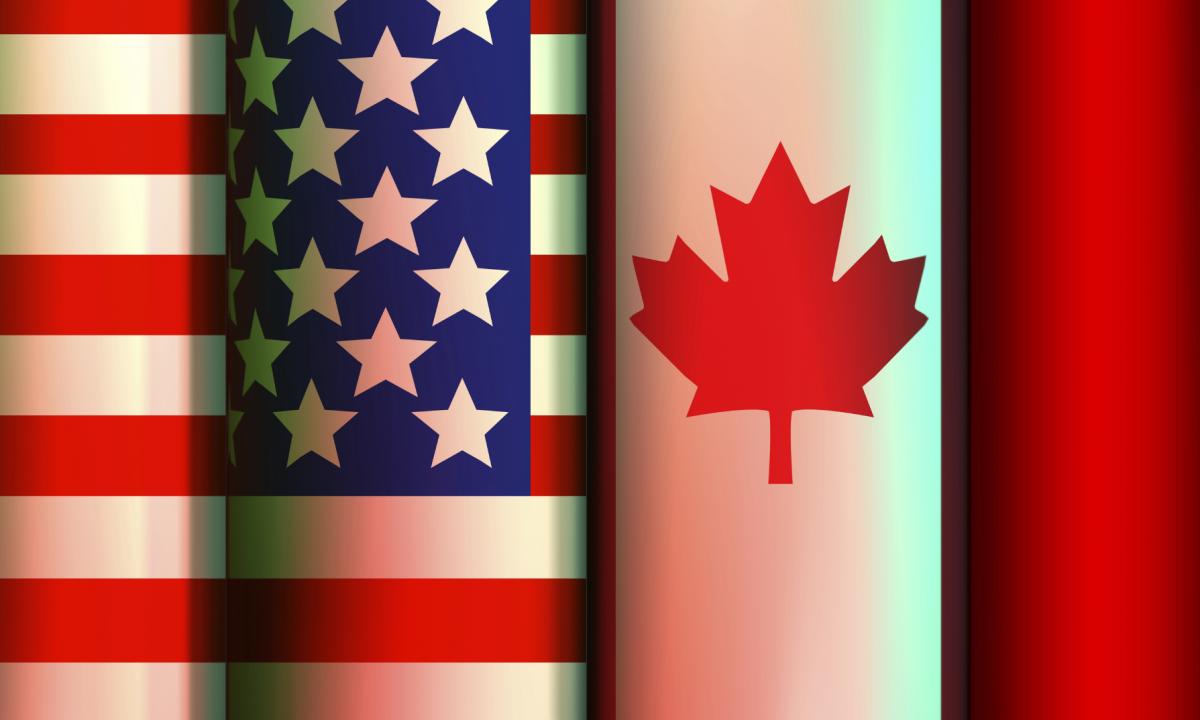 Throughout 2016, NMPF made the case in Washington and in key dairy states that Canada’s two-pronged approach to revising its dairy pricing policy is expressly intended to thwart U.S. trade. First, the provincial Ontario government is providing incentives to Canadian processors to encourage their use of only domestic dairy ingredients, in lieu of imported U.S. ultrafiltered milk. This effort is aimed at slashing the sales of dairy ingredients across the border, which have become a key U.S. export in the past five years. Making matters worse, the provincial pricing strategy may become a national system in Canada in the near future.
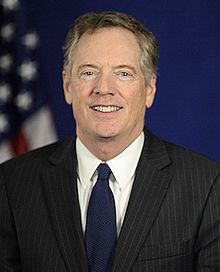 Veteran trade negotiator Robert Lighthizer was named Jan. 3 by President-elect Donald Trump as the next U.S. Trade Representative, which NMPF welcomed because of Lighthizer’s understanding of both global trade rules and the importance of balanced trade agreements to the U.S. agriculture sector.
 NMPF, together with more than a dozen other farm organizations, kicked off the new year with a joint
  The National Milk Producers Federation is now accepting applications for its National Dairy Leadership Scholarship Program for academic year 2017-2018. Applications must be received no later than April 7, 2017.
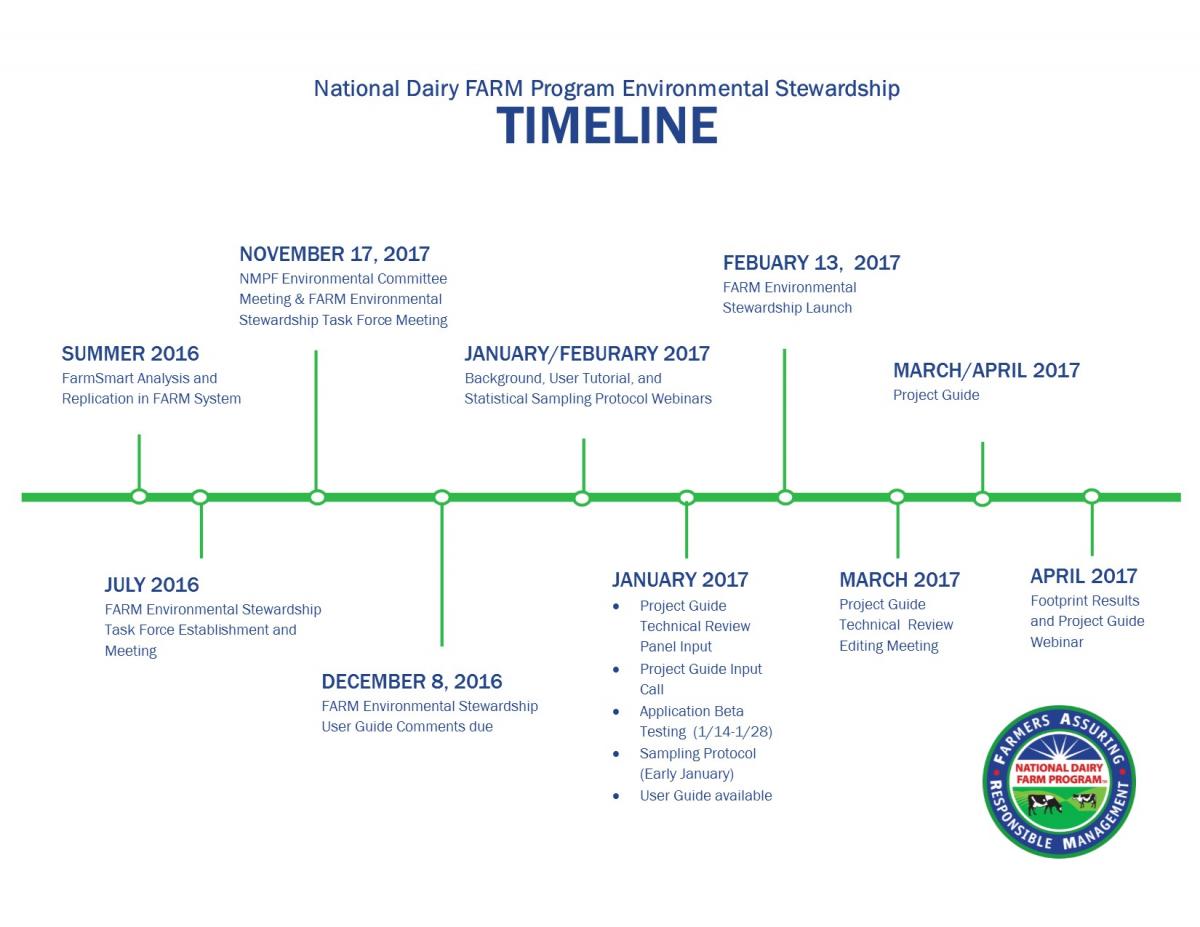 The new FARM Environmental Stewardship module will be available to interested cooperatives and proprietary processors starting Feb. 13. FARM Environmental Stewardship is the third silo of the FARM Program’s structure, joining the existing animal care and antibiotic use modules within the overall FARM Program.
 The new FARM Animal Care Version 3.0 went into effect on Jan. 1, 2017. This latest version of FARM includes new documents and guidelines to update and strengthen the program, which now enjoys the support of companies marketing 98% of the nation’s milk supply. These requirements include a signed Veterinary-Client-Patient Relationship (VCPR) form, a signed Dairy Cattle Care and Ethics agreement, FARM training in basic stockmanship by all employees, and the phaseout of tail docking.
 Cooperatives Working Together assisted member cooperatives in winning 48 contracts to export 4.75 million pounds of American-type cheeses and 3.03 million pounds of butter in the holiday-shortened month of December. The products will go to customers in Asia, Central America, the Middle East, North Africa, and Oceania, and will be shipped from December 2016 through March 2017.
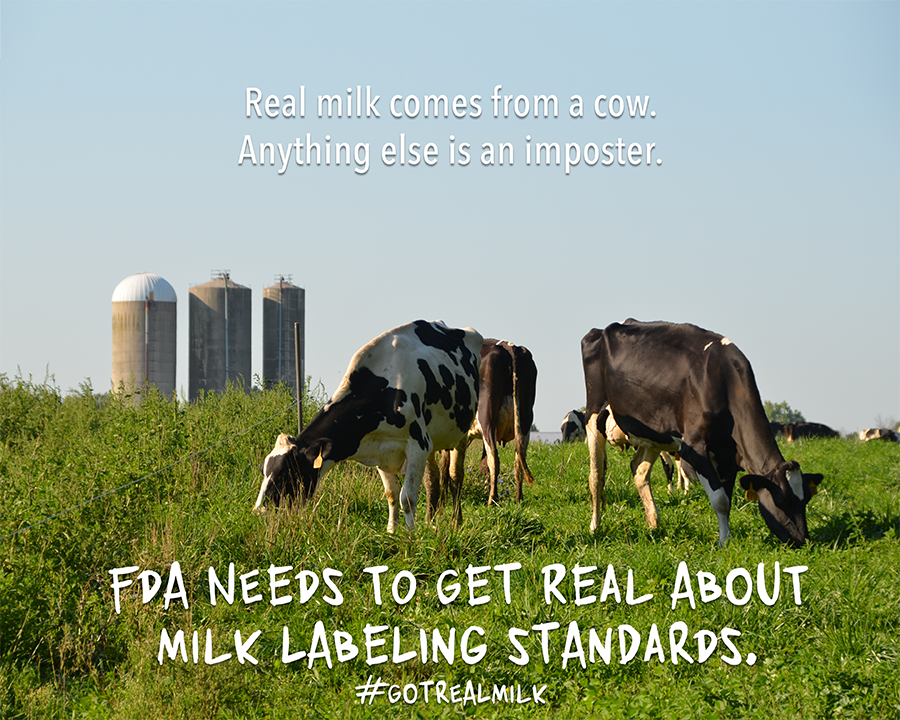 Key leaders in both the House and Senate have chastised the Food and Drug Administration in the past month for failing to enforce existing food standards that specify products labeled as “milk” have to come from a dairy animal – adding new momentum to NMPF’s longstanding campaign to encourage the FDA to enforce its own regulations.