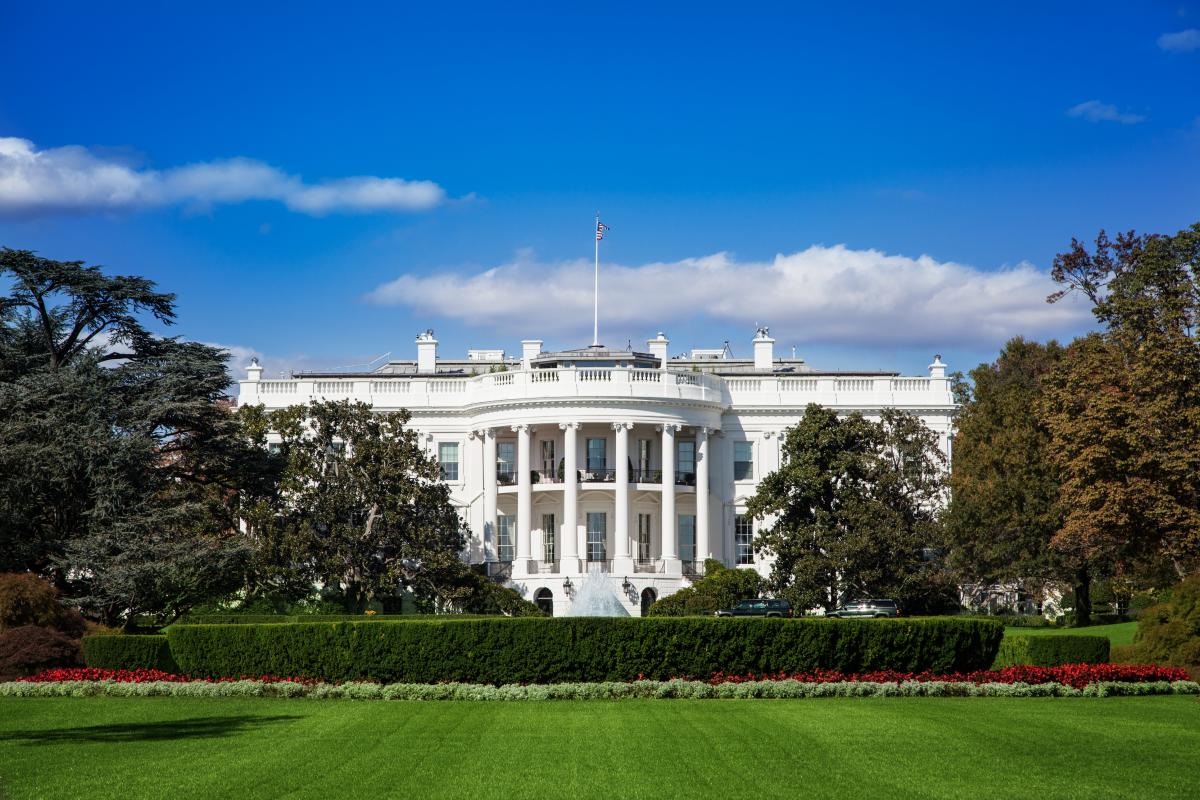
 National Milk continues to reiterate to Congress and the White House the critical importance of maintaining export markets for America’s dairy farmers, even as the pivotal role of the United States in global trade began to shift last month as a result of actions by the Trump Administration.
In one of his first official acts, President Donald Trump followed through on his campaign pledge to formally withdraw the United States from the Trans-Pacific Partnership (TPP) agreement. He also expressed his intention to reassess the terms of the North American Free Trade Agreement (NAFTA). Given the value of exports in the dairy sector – approximately $5 billion annually – and the benefits dairy farmers derive from those sales, NMPF urged Trump to continue pursuing new trade opportunities in the Pacific Rim, and to preserve the agricultural trade relationship with Mexico, which is a $1+ billion market for U.S. dairy exports – the largest for America’s dairy sector.
NMPF joined with a coalition of more than 130 other farm and food organizations calling last month on Trump to preserve hard-fought agriculture market access into Canada and Mexico that has developed during the past 20 years as a result of NAFTA.
NMPF told the Trump Administration that “although some important gaps in U.S. export access still remain, increased market access under NAFTA has been a windfall for U.S. farmers, ranchers and food processors. U.S. food and agriculture exports to both countries have more than quadrupled, growing from $8.9 billion in 1993 to $38.6 billion in 2015.” Preserving open access for U.S. dairy products into Mexico remains a top priority for NMPF and its members, according to the organization.
Meanwhile, across the Pacific, a retreat from TPP “must not lead to a retreat from economic engagement with growing Asian markets for American dairy products,” said NMPF President and CEO Jim Mulhern. “Our competitors have been successfully negotiating trade agreements in Asia over the past several years. This puts the U.S. agriculture sector at a competitive disadvantage if we don’t pursue our own initiatives.”
He said one approach the new administration could take is to replace the 12-nation TPP with bilateral agreements focused on individual countries that offer valuable agricultural market access opportunities, such as Japan, Vietnam and others in Southeast Asia.
In making a strong case for preserving dairy market access around the world, NMPF has told incoming Trump Administration officials that the U.S. dairy sector exports nearly 15 percent of its milk production annually, and in the process generates more than 120,000 jobs in dairy farming, manufacturing and related sectors. Any disruption in exports of dairy and other food products “would have devastating consequences for our farmers, and the many American processing and transportation industries and workers supported by these exports,” Mulhern said in a Jan. 6 letter to President Trump.
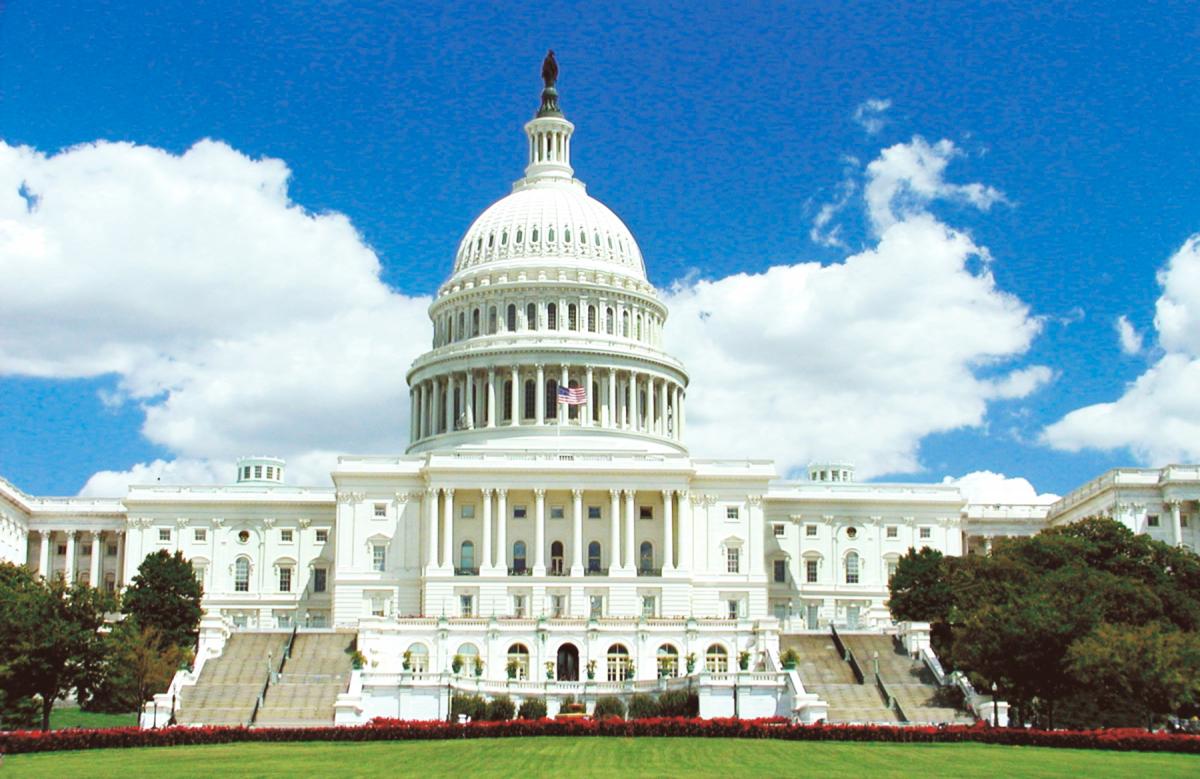 National Milk’s efforts to spur enforcement of milk labeling standards took a major leap forward last month with the introduction of companion bills in the Senate and House that would direct the Food and Drug Administration (FDA) to police the misuse of dairy-specific terms.
 Former Gov. Perdue is well-qualified to run the U.S. Department of Agriculture as a result of his eight years of executive experience as Georgia’s governor, and his career as a state legislator and small businessman. His educational training as a veterinarian also gives him unique insights into the important issues facing America’s livestock producers in the areas of animal health, food safety and the environment.
 “Tom Vilsack has a remarkable record of accomplishment working on behalf of American agriculture during the past eight years, and we are thrilled he will dedicate his talents in the coming years to expanding opportunities across the globe for America’s dairy farmers.