NMPF, State Dairy Policy Leaders Push for Ag Labor Reform on Capitol Hill

Dairy advocates from across the country urged lawmakers to support agricultural labor reform on Capitol Hill in July, concluding a National Milk Producers Federation summit for state dairy associations.

The July 14-15 meeting brought more than three dozen advocates to Washington, with farmers and industry leaders sharing priorities and strategies on dairy issues ranging from truck weights and investment tax credits to the Securing Agriculture’s Workforce Act, legislation introduced by Agriculture Committee Chairman G.T. Thompson, R-PA, that would create a workable labor system for dairy farmers.

“Ag labor is one of the most important issues of any in agriculture right now,” said Doug Holland, a dairy farmer near Olin, NC and the president of the North Carolina Dairy Producers Association. Holland listed passing a farm bill and keeping all varieties of milk in school meals as other top priorities.

Dairy farmers and advocates participated in about 50 meetings with Hill staff and lawmakers. NMPF featured four of them — Olin, Darigold farmer Austin Allred, Jamie Neill with the Idaho Dairymen’s Association and Mariah Busta of the Iowa State Dairy Association — in a series of videos posted on the organization’s LinkedIn and Facebook pages.

Thompson’s legislation represents the most significant reform to the ag workforce seen in decades. For dairy farmers, the bill grants meaningful access to the H-2A program, the main agricultural labor visa, by removing the seasonal requirements of the program and allowing contracts up to 350 days of the year. The bill also streamlines the application process, addresses cost concerns and provides a targeted mechanism to help the current dairy workforce transition to a workable visa program, ensuring a smoother transition to H-2A.

The State Dairy Association Summit, part of NMPF’s expanded member service on state-level policy, opened with a day of state-by-state reports, alongside roundtable discussions and briefings on NMPF’s federal advocacy priorities led by subject matter experts and industry leaders. Several issues recurred across nearly all state reports and panel discussions, including immigration enforcement, water and permitting pressure, ultra-processed food regulation, raw milk legalization and more.

For more on how state-level advocacy interacts with NMPF’s federal leadership, Allyson Jones-Brimmer, executive director of the Northeast Dairy Producers Association and Jim Boyle, owner-manager of his family’s dairy in Casa Grande, AZ, and the leader of the Western States Dairy Producers Association, were featured in the July Dairy Defined podcast.
What’s next for dairy in Washington?

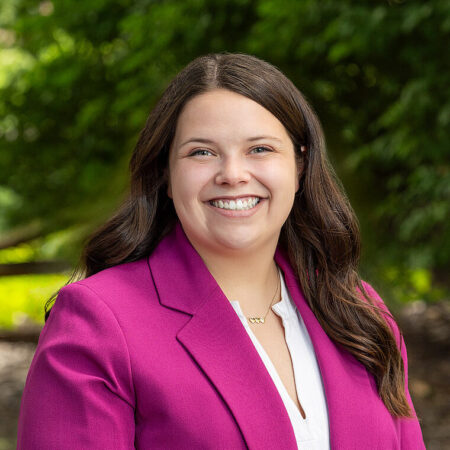
By Maria Brockamp, Senior Manager, Government Relations

The dairy industry experienced an unprecedented start to 2026 in Washington, D.C.

Coming hot out of the gate was dairy’s prominence in the 2025-2030 Dietary Guidelines for Americans (DGAs). Released every five years, the DGAs outline what is included in a healthy diet and inform the nutrition standards for federal nutrition programs including school meals. Whole milk, cheese, yogurt, and butter icons adorned the new inverted food pyramid encouraging Americans to “eat real food.”

Not only was full-fat dairy lauded in the DGAs, but whole milk specifically had its own moment shortly after the new year when President Trump signed the Whole Milk for Healthy Kids Act into law, allowing schools to include whole and 2% milk on their lunch trays.

Finally, enrollment for the Dairy Margin Coverage (DMC) program opened in January, giving producers until Feb. 26 to enroll for the coming year. This year’s DMC includes provisions that the National Milk Producers Federation advocated to be included in the One Big Beautiful Bill Act last summer, including a production history update and a six-year discounted coverage option.

With so many wins so early in 2026, it might seem like a good time for National Milk Producers Federation (NMPF) to simply claim victory and celebrate for the rest of the year. But there is still much work to be done, and that work takes time. The dairy wins we’ve had so far in 2026 were years in the making — work on the 2025 DGAs began in 2021, the Whole Milk for Healthy Kids Act was first introduced in 2019, and advocacy for DMC updates began in 2023 — and NMPF is eager to carry the momentum dairy has right now in Washington.

First, fostering the early 2026 wins to fruition remains a top priority this year. A swift and all-encompassing rulemaking to implement the Whole Milk for Healthy Kids law is crucial to ensuring that full and reduced fat milk offerings return to school menus for the 2026-27 school year. A continued science-based, yet practical approach to implementing the DGAs into the school meal program is crucial to ensuring that all students are benefiting from the 13 essential nutrients that dairy provides. Widespread information outlining the updates and the signup deadline for the DMC program and continued advocacy for improvements to complementary risk management programs, like Dairy Revenue Protection, are crucial for helping dairy farmers navigate turbulent times.

It’s no secret that workforce challenges continue to plague the dairy industry. NMPF advocates for the stabilization of the current, highly skilled workforce and the opportunity for dairy farmers to access a future workforce through a viable year-round guestworker program. With the border secure, there is no time better than the present to tackle these longstanding workforce issues, and NMPF is securing a seat at the table so that dairy farmers’ needs are heard.

Finally, supplementing the funding included in the One Big Beautiful Bill Act with updated policy provisions in a full five-year farm bill is essential to the success of dairy farms. Uncertain times call for comprehensive bipartisan action to spark certainty for those that feed the world. That action is a long overdue farm bill.

Dairy farmers are facing some big hurdles — low fat prices, ongoing workforce challenges, and intense animal disease protocols, just to name a few — but rest assured, there are dairy voices in Washington addressing these issues and more. The priorities outlined here are the tip of the iceberg for how NMPF plans to advocate for dairy farmers and their cooperatives this year.


This column originally appeared in Hoard’s Dairyman Intel on Feb. 16, 2026.

Ready for Action: NMPF’s Bleiberg Anticipates Busy 2025

With a Republican “trifecta” of House, Senate and White House control, 2025 will be an active year in Washington, NMPF Executive Vice President for Government Affairs Paul Bleiberg said in a Dairy Defined Podcast released today.

“Everybody should just buckle up. It’s going to be a busy 2025,” said Bleiberg, who leads NMPF’s lobbying efforts.

The trifecta “means a certain ability to move your agenda through unilaterally or without the other party involved,” he said. “It also in broader terms refers to setting the agenda, obviously controlling the different committees and setting topics and moving legislation through broad decisions about governing really do fall to the party that has a trifecta.”

That will have meaningful effects on taxes and other areas of legislation, as well as on regulatory efforts, Bleiberg said. Immigration and trade also promise to be hot topics in the new year, ones with important implications, he said.

For more of the Dairy Defined podcast, you can find and subscribe to the podcast on Apple Podcasts, Spotify, and Amazon Music under the podcast name “Dairy Defined.”