The food and agriculture industry celebrated a milestone victory this month: Congressional adoption of a comprehensive, federal standard for the labeling of foods produced with biotechnology. This federal legislation ensures that the chaos that would have ensued from a patchwork of state laws – such as Vermont’s – has been successfully avoided.
While preventing this “death by a thousand cuts” approach to biotech labeling is a clear and sure win for sound science and innovation, an equally important triumph was the unity displayed by the food and agriculture community.
For more than two years, the National Milk Producers Federation helped lead a broad coalition focused on shepherding this legislation across the finish line. There were many peaks and valleys along the way — and certainly times when many thought this result would never happen — but through it all we stood together.
The strength and breadth of the coalition — more than 1,100 members strong — indicated to Congress that this issue was of paramount importance to food and agriculture, and that meaningful, clear, federal legislation preempting any state labeling laws was the only acceptable solution.
Certainly, our sincere gratitude and appreciation is owed to Sens. Pat Roberts and Debbie Stabenow for their efforts to draft a compromise bill that ultimately earned bipartisan support in both the Senate and House. What is most remarkable about this is that a controversial issue like food biotech labeling could gain such support in a Congress riven with partisan rancor.
Credit for that goes to the coalition leadership. When private discussions or behind-the-scenes work on the legislation stalled, it was the coalition leaders who encouraged the two sides to keep meeting and talking. And when the principals reached an agreement in June, it was the coalition that reached out to every other member of Congress to be sure they understood how vital this legislation was for the entire food industry.
After President Obama signs the bill into law, Vermont’s law will be null and void, and we will move into a formal rule-making process at the U.S. Department of Agriculture to develop the food biotech disclosure program. National Milk will be deeply engaged in this process to ensure that dairy’s interests are addressed.
While the coalition’s heavy lifting may largely be completed on the issue of federal pre-emption, it would be a shame if everyone went back to being independent actors in a complex food chain.
Biotechnology is not the final frontier of confusing and controversial issues that need to be addressed. Standing together on the issue of biotechnology is just the latest in a series of examples that prove that speaking with a common voice and executing a clear vision is the best strategy for success.
We’ve seen the importance of this approach in areas like animal care, where the National Dairy FARM (Farmers Assuring Responsible Management) Program, created as a joint partnership between Dairy Management, Inc. and National Milk, has helped unify the dairy community to present a clear and compelling story to consumers about the great work being done on our nation’s dairy farms.
Since its inception, participation in the FARM Program has steadily increased to cover approximately 98 percent of the milk in the United States. Strong farmer, cooperative and proprietary processor engagement in the program has sent an unequivocal signal to customers that there is no need for them to develop their own animal care standards – the dairy community has a program with integrity covering nearly all of the milk and dairy products they might source. Now, large customers like Chobani, Leprino, Schreiber, Kroger and McDonalds require participation in the FARM Program by all of their suppliers — with more customers following suit every week.
National Milk knew that engaging in the legislative process to achieve a federal solution to the biotech labeling issue wouldn’t be easy, and that the end result likely wouldn’t yield a perfect bill. Yet the alternative — a competing system of state labeling laws — would have been disastrous.
We’ve cleared a major hurdle on this issue with this new federal law. But there’s more work to be done on this and countless other issues. As we reflect on the success of this milestone victory over activists who were intent on sowing fear in consumers’ minds regarding food biotechnology, it is also time for those in food and agriculture to work together and find ways to communicate the importance of biotechnology for a sustainable, economically viable agriculture system.
We will continue our efforts on this front in conjunction with the Innovation Center for U.S. Dairy, which will lead the dairy community’s efforts to engage consumers. But it’s critical that everyone in food and agriculture help in this effort. Just think of what could be accomplished if we were 1,100 organizations-strong on every issue, and if we all communicated to consumers a unified message of sound science and safe food from agricultural biotechnology.
Let’s make sure this strong, effective coalition is just the beginning, not the end.

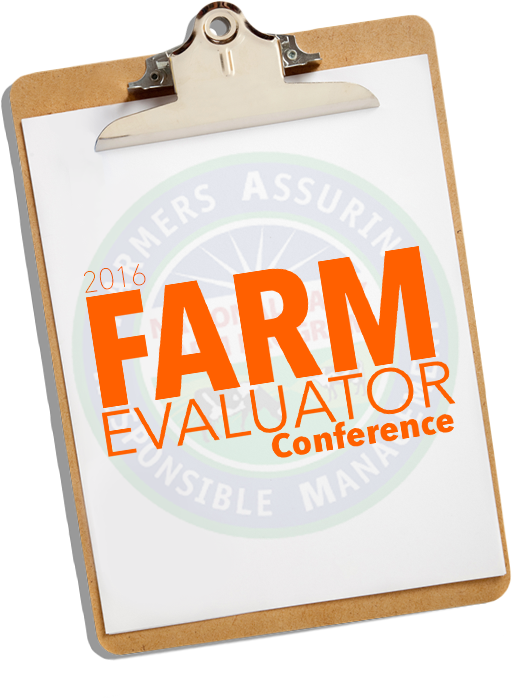 Registration is now open for the inaugural FARM Program Evaluator’s Conference, a two-day event from November 2-3, 2016, in Nashville, Tenn., following NMPF’s annual meeting Oct. 31-Nov. 2.
 NMPF’s Farmers Assuring Responsible Management (FARM) Program will host a full day of programming during next month’s 49th annual conference of the American Association of Bovine Practitioners (AABP) in Charlotte, N.C.
 NMPF’s Farmers Assuring Responsible Management (FARM) Program is assuming management of an environmental sustainability assessment module, the organization announced last month. Previously called Farm Smart and managed by the checkoff-funded Dairy Management Inc., the new FARM Environmental Stewardship will become a voluntary component under the overall FARM program umbrella.
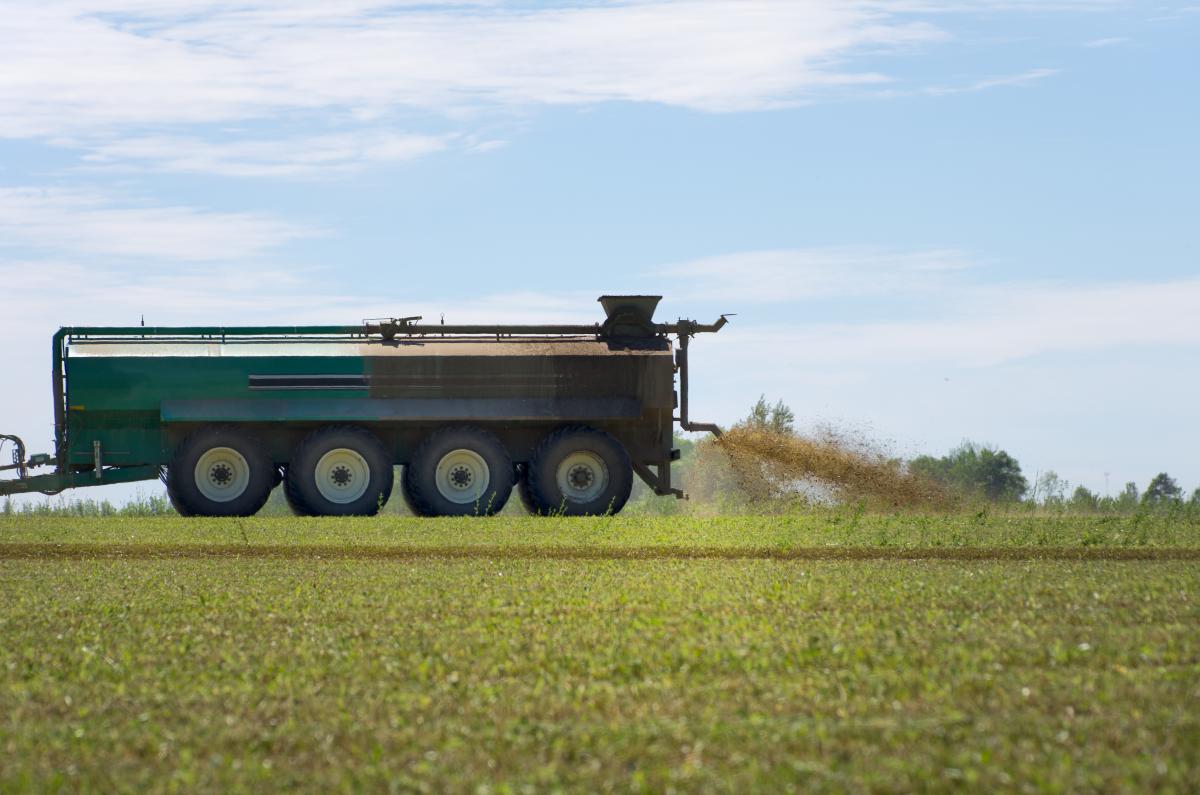 NMPF endorsed bipartisan legislation introduced in the House of Representatives last month that would clarify the exemption for dairy farms and other producers from jurisdiction under the Resource Conservation and Recovery Act (RCRA).
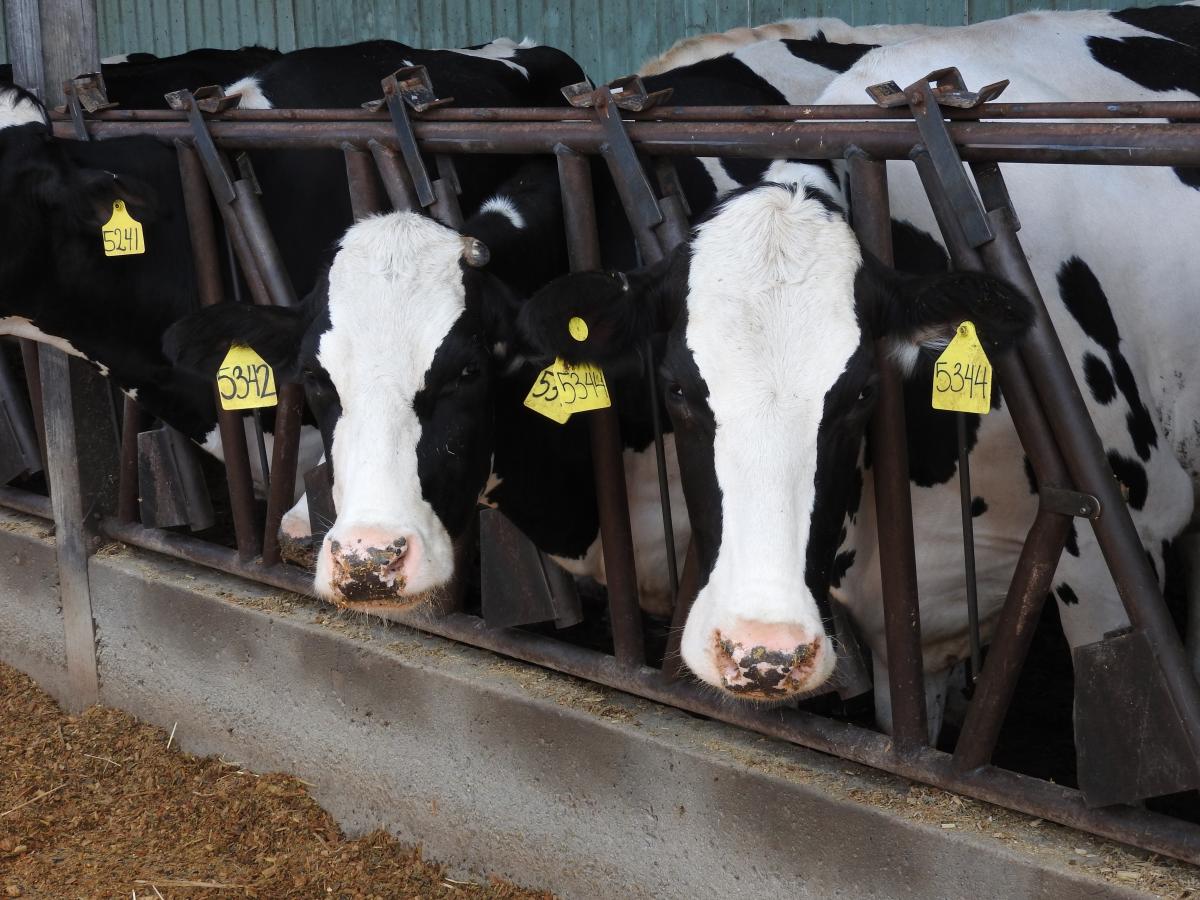 In response to the Agriculture Department’s request for comment on proposed changes to organic livestock production requirements, National Milk responded that the changes fall short of standards already employed by the National Dairy Farmers Assuring Responsible Management (FARM) Animal Care Program.
 Cooperatives Working Together member cooperatives captured 29 contracts to sell 1.993 million pounds of American-type cheese, 5.016 million pounds of butter and 1.411 million pounds of whole milk powder in July. These products will go to customers in Asia, Central America, the Middle East, North Africa and Oceania. The product will be shipped from July through November 2016.
 Speculation continues to grow over both the post-Brexit future of the Trans-Atlantic Trade and Investment Partnership (TTIP), and the shifting congressional outlook for the Trans-Pacific Partnership (TPP). Despite the uncertain prospects for action on both measures, NMPF remains engaged in advancing the interests of the nation’s dairy farmers regarding both potential free trade agreements.
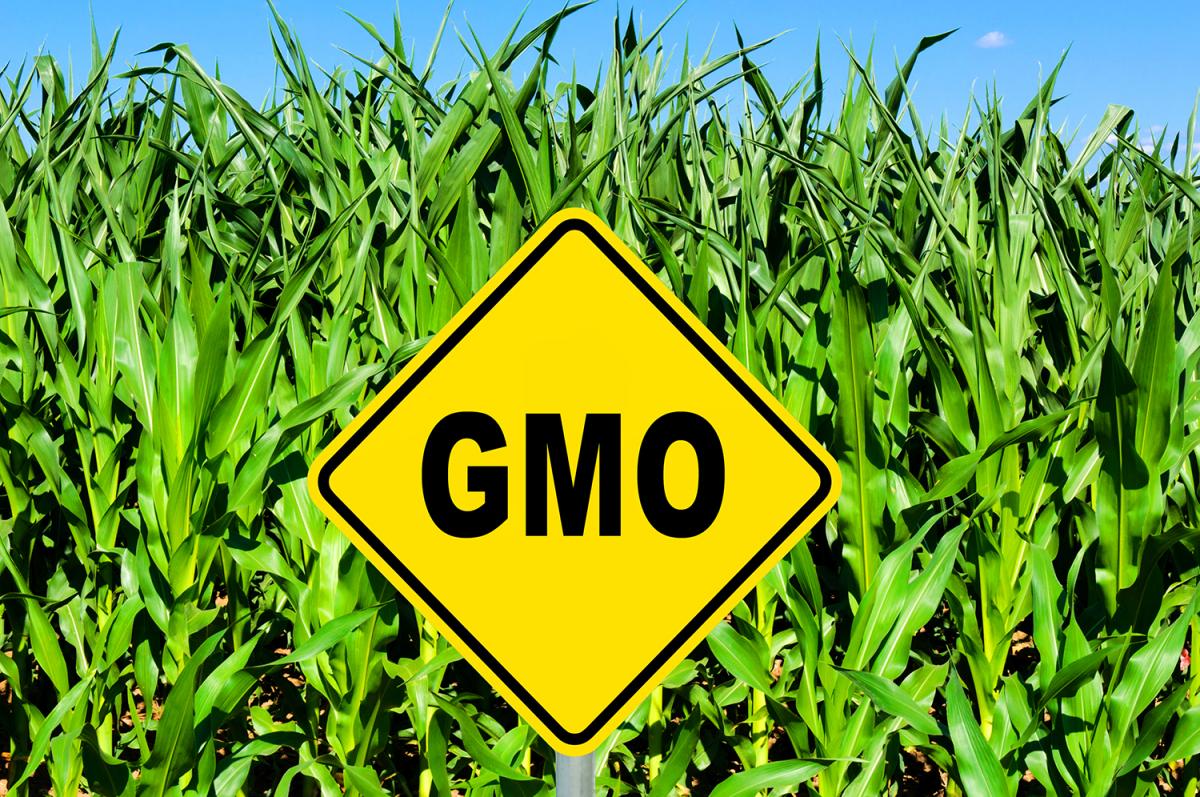 A bill that would create a national system for labeling foods produced using biotechnology has officially become law, preempting any state or local mandates from being implemented, and laying the groundwork for federal rules to provide information to consumers about foods containing biotech ingredients.
 ARLINGTON, VA – The Farmers Assuring Responsible Management (FARM) Program, administered by the National Milk Producers Federation (NMPF), is assuming management of the Farm Smart Program, previously managed by Dairy Management, Inc. Farm Smart, an environmental stewardship module for farmers to measure improvements they make in the area of sustainability, will become the voluntary Environmental Stewardship component of the FARM Program, NMPF announced today.
 ARLINGTON, VA – The National Milk Producers Federation today endorsed new Senate legislation that would help dairy farmers increase their investment in technologies that can improve water and air quality and maximize the value of nutrients.