Citing FMD Risk, NMPF Opposes Beef Imports from North Argentina

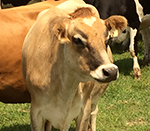
Citing concerns over the risk of a Foot and Mouth Disease outbreak in the United States, NMPF opposed a proposal by USDA’s Animal and Plant Health Inspection Service to allow chilled or frozen beef imports from Northern Argentina.

“NMPF is a proponent of fair trade policy and using science-based standards to facilitate international trade,” said Vice President for Sustainability and Scientific Affairs Jamie Jonker. “But we are also committed to ensuring the health and well-being of the U.S. dairy herd. And we have serious concerns about Argentina’s ability to prevent the introduction of Foot and Mouth Disease in the United States.”

In comments filed December 29, NMPF noted that, while Northern Argentina is recognized as FMD-free with vaccination, some of its neighbors are not, and some of its border areas have few natural barriers. The U.S. has been FMD-free since 1929 due to stringent import controls of animals and animal products from FMD affected areas of the world.

NMPF said APHIS audits of Argentina’s inspection system identified deficiencies in meat import procedures, and European Union audits highlighted concerns over Argentina’s border controls, vaccination controls, FMD surveillance measures and wildlife management.

In addition, NMPF said a qualitative, or descriptive, Foot and Mouth Disease risk assessment of imported Argentine beef should have been data-based, as a 2002 FMD risk assessment involving neighboring Uruguay was.

“A Foot and Mouth Disease outbreak would be devastating for U.S. dairy farmers,” said Jonker, noting that most past U.S. FMD outbreaks were caused by importing infected animals or animal products. “With so much at stake, NMPF cannot support the current APHIS proposal to allow fresh meat imports from Northern Argentina.”

Revised FDA Preventive Controls Regulation Shows the Value of Advocacy

A revised Food and Drug Administration proposal for risk-based preventive food safety controls shows just how much dairy industry advocacy in federal rulemaking has paid off in this area. Much of the revised proposal – the most important regulation stemming from the major rewrite of federal food safety laws in 2011 – addresses issues that NMPF and the International Dairy Foods Association raised in earlier comments and meetings with FDA.

For example, NMPF and IDFA strongly opposed mandatory finished-product pathogen testing for dairy products, pointing out it would be costly and ineffective. Despite strong support from others, FDA didn’t require testing in the revised proposal. Also, after dairy groups opposed rigid supplier verification requirements, considerable flexibility was added to the revised proposal.

In yet another tentative victory, the revised proposal clarifies that a facility diverting outdated or off-spec food for animal feed will not have to follow preventive controls for animal feed. That’s the outcome favored by the dairy industry.

Other issues in the proposed rule remain to be resolved, including one of primary concern for the dairy industry. For example, NMPF continues to request that Grade A milk facilities remain regulated under the Pasteurized Milk Ordinance, as they have been for years, instead of the preventive controls regulation.

FDA has until August 30 to issue a final preventive controls regulation. After that, very small businesses will have three years to comply, small businesses will have two years to comply and all others must be compliant within one year.

In a related development, NMPF supported FDA’s decision to apply its produce safety regulation to farms based on produce sales only. As originally drafted, the regulation applied to mixed-type facilities with total food sales of more than $25,000. This would have affected more than 2,000 dairy farms with incidental fresh produce sales.

New CDC Study Bolsters Argument For Restricting Raw Milk Sales

A new food safety study from the U.S. Centers for Disease Control and Prevention makes a strong argument for maintaining restrictions on the sale of raw milk to consumers.

According to the study, the average number of foodborne illness outbreaks associated with unpasteurized milk has more than quadrupled in recent years, as states approved more laws allowing retail raw milk sales.

From 2007 to 2012, the study reported 81 raw milk-associated foodborne illness outbreaks nationwide, or an average of 13 per year. The outbreaks, which sickened nearly 1,000 people and sent 73 to the hospital, were concentrated in states where raw milk sales are legal.

By contrast, an earlier study, covering 1993 to 2006, found an average of only three foodborne illness outbreaks per year associated with raw milk consumption.

“The more raw milk is available to people, the more people become sick,” said Beth Briczinski, NMPF’s Vice President for Dairy Foods and Nutrition. “Since 2004, eight more states have allowed raw milk sales, and food-borne illnesses associated with raw milk consumption have increased.”

“In the face of these findings,” Briczinski added, “state and federal regulators and legislators must resist pressure from those seeking to make raw milk more accessible.” NMPF has led the dairy industry in vigorously opposing efforts to make raw milk more accessible to consumers.

Raw milk sales are not permitted in interstate commerce but retail sales of raw milk are now legal in 30 states. In addition, 10 more states allow consumers to obtain raw milk through cow-sharing arrangements.

Still Time to Apply for NMPF Graduate Student Scholarship Program

Graduate students conducting dairy-related research still have time to apply for NMPF’s National Dairy Leadership Scholarship Program for 2015-2016. Qualified applicants will be enrolled in a Master’s or Ph.D. program and conducting research of interest to NMPF-member cooperatives and the dairy industry in general.
Recommended fields of study include agricultural communications, dairy science, animal health, animal or human nutrition, bovine genetics and herd management. Applicants do not need to be affiliated with NMPF members.

The deadline for applying is March 27, 2015. Visit the NMPF website or call 703-243-6111 for more information.

Trade Negotiators Told to Prioritize TPP Access Gains for U.S. Dairy

The U.S. dairy industry advised top U.S. trade negotiators last month that any final Pacific Rim trade agreement must put access to foreign markets for U.S. dairy interests first, and avoid pressure from other countries to regionalize access opportunities.

As Trans-Pacific Partnership negotiations headed into their final stage, NMPF, the U.S. Dairy Export Council and the International Dairy Foods Association jointly expressed concern that industries in competing countries are counting on the United States to deliver export gains for all nations, rather than relying on their own governments to secure concessions in the trade agreement.

The groups said it is crucial for the U.S. to prioritize delivery of benefits to the U.S. dairy industry. As a case in point, they cited the recently concluded Japan-Australia free trade agreement, which did little to open agricultural markets in Japan, and instead put the burden on U.S. negotiators to win agricultural concessions for all in the TPP.

“The Japan-Australia FTA is an excellent example of the negative impact such a dynamic can have on U.S. interests,” NMFP President and CEO Mulhern said. “Our competitors in other TPP countries must work with their own governments to secure market access rather than insisting that any gains secured by the United States in areas like agriculture be made broadly available to all.”

The three groups made their points in letters sent to U.S. Trade Representative Michael Froman and Agriculture Secretary Tom Vilsack.

Dairy Industry Praises Outcome Of Cheese Name Talks with China

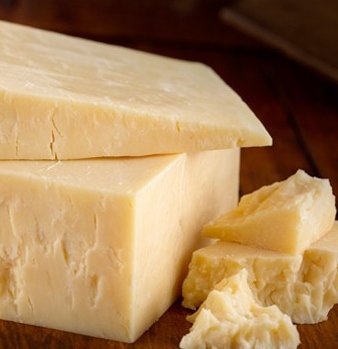
Later in December, NMPF, USDEC and IDFA jointly applauded a commitment to stronger protections for common food names resulting from talks through the U.S.-China Joint Commission on Commerce and Trade. The favorable outcome should facilitate export of products like feta and parmesan cheese to China, which is a particularly large and fast-growing market for U.S. dairy products.

“We especially appreciate U.S. negotiators’ recognition of the importance of common name preservation to U.S. exports and the heightened focus that the Obama administration has given to a key dairy industry priority,” said NMPF President and CEO Jim Mulhern.

Common food names and their relationship to geographical indications (GIs) has generated considerable discussion due to European Union efforts to impose bans on the use of feta, parmesan, asiago, muenster and other common names in international trade unless the products are manufactured in Europe. For more information, read “U.S. Fact Sheet: 25th U.S.-China Joint Commission on Commerce and Trade.”

More than Half of U.S. Dairy Farms Enroll in New Margin Protection Program

Strong Start to New Insurance Safety Net Program

ARLINGTON, VA – The U.S. Department of Agriculture announced today that more than half of U.S. dairy operations have enrolled in the new Margin Protection Program (MPP) for dairy in 2015, “an encouraging start to this crucial new safety net program for our industry,” said Jim Mulhern, President and CEO of the National Milk Producers Federation.

The USDA reported Monday that more than 23,000 dairy operations signed up for the program during the three-month window that ran until December 19, 2014. That sum represents about half of the overall number of dairy farms in America.

“The margin protection program is a welcome improvement to federal dairy policy, and comes at an important time to help farmers deal with what will be a more challenging economic outlook in 2015,” Mulhern said. “The MPP is now the only widely-available tool to help farmers protect against both lower milk prices and higher feed costs. It represents a new paradigm in shared responsibility between farmers and the government to cover the cost of that insurance.”

While the USDA has yet to release the volume of U.S. milk production covered under the program, anecdotal reports indicated that the sign-up extensions granted after Thanksgiving, coupled with a sharp downturn in milk price forecasts for 2015, encouraged additional participation prior to the December 19 cutoff.

NMPF expressed appreciation to the Agriculture Department for allowing additional opportunities for dairy farmers to insure themselves through the MPP.

“Secretary Tom Vilsack is to be commended for maximizing the opportunity for farmers to use this new tool,” Mulhern said.

He also thanked the leaders of the Agriculture Committees for establishing the MPP in the farm bill passed last year in Congress – in particular, Senate Ag Chair Debbie Stabenow, Ranking Republican Thad Cochran, along with House Ag Chair Frank Lucas, and Ranking Democrat Collin Peterson. These leaders, along with Senator Patrick Leahy, “fought for the new program, and helped establish a discounted premium rate for the program in 2015 to incentivize first-time enrollment,” Mulhern said.

The next MPP sign-up period will begin in six months, during an open season enrollment window for MPP coverage in calendar year 2016. That enrollment period will run from July 1 until September 30th.

NMPF established its www.futurefordairy.com website to help educate farmers about the program, and worked with USDA and a group of university agricultural economists during 2014 to explain the benefits of utilizing the Margin Protection Program.


The National Milk Producers Federation, based in Arlington, VA, develops and carries out policies that advance the well-being of dairy producers and the cooperatives they own. The members of NMPF’s cooperatives produce the majority of the U.S. milk supply, making NMPF the voice of more than 32,000 dairy producers on Capitol Hill and with government agencies.

NMPF, USDEC and IDFA Support Coalition Efforts to Facilitate U.S. Dairy Exports to Cuba

The National Milk Producers Federation (NMPF), U.S. Dairy Export Council (USDEC) and International Dairy Foods Association (IDFA) joined other food and agricultural organizations in support of additional changes in U.S. policy to facilitate U.S. dairy exports to Cuba and permit open travel for all Americans to that nation. The dairy organizations are members of the U.S. Agriculture Coalition for Cuba, a coalition of more than 30 trade associations and companies championing an end to the U.S. embargo against Cuba.

The dairy groups say one of the biggest impediments to trade is the lack of financing to allow for payment in a manner that it is commercially viable. They stressed the importance of policy changes that would remove costly and unnecessary burdens on U.S. agricultural exporters by allowing payment to pass from Cuba directly to U.S. banks in place of the current requirement that payments be routed through banks in other countries.

Jim Mulhern, president and CEO of NMPF, urged members of Congress to seek changes in policy that would remove travel restrictions and reform financing rules for U.S. food products destined for Cuba. “NMPF believes that unilateral U.S. government actions should not hinder U.S. dairy exporters from selling their products to any nation,” said Mulhern. “We look forward to expanding our ability to more easily provide the Cuban people and those Americans wishing to travel to Cuba with the nutritious and safe foods that we produce in such abundance here in the United States.”

“Right now, the U.S. has been forced to largely cede this neighboring market to our competitors,” added Tom Suber, president of USDEC. “Cuba has been importing approximately $200 million worth of dairy products in recent years, but virtually none of that has come from our exporters due to the restrictions they face in trading with Cuba.”

“Cuba is a natural market for IDFA members, and we look forward to further opening that market for U.S. dairy products,” said Connie Tipton, president and CEO of IDFA.

In addition to the embargo’s financial provisions, the three organizations said lifting travel restrictions could help U.S. agricultural exports by allowing exporters to more easily conduct business with Cuba and spurring greater demand for U.S. agricultural products in Cuba.

Members of the U.S. Agriculture Coalition for Cuba are the American Farm Bureau Federation, American Soybean Association, Corn Refiners Association, Illinois Cuba Working Group, Illinois Soybean Growers, Illinois Farm Bureau, International Dairy Foods Association, National Association of State Departments of Agriculture, National Association of Wheat Growers, National Barley Growers Association, National Chicken Council, National Corn Growers Association, National Council of Farmer Cooperatives, National Farmers Union, National Grain and Feed Association, National Milk Producers Federation, National Oilseed Processors Association, National Sorghum Producers, National Turkey Federation, North American Export Grain Association, North American Meat Institute, Soyfoods Association of North America, United Soybean Export Council, U.S. Canola Association, U.S. Dairy Export Council, U.S. Dry Bean Council, U.S. Wheat Associates, USA Rice Federation, Smithfield Foods, Chicago Foods International, Cargill and CoBank.


The National Milk Producers Federation, based in Arlington, Va., develops and carries out policies that advance the well-being of U.S. dairy producers and the cooperatives they collectively own. The members of NMPF’s cooperatives produce the majority of the U.S, milk supply, making NMPF the voice of nearly 32,000 dairy producers on Capitol Hill and with government agencies.

The U.S. Dairy Export Council is a non-profit, independent membership organization that represents the global trade interests of U.S. dairy producers, proprietary processors and cooperatives, ingredient suppliers and export traders. Its mission is to enhance U.S. global competitiveness and assist the U.S. industry to increase its global dairy ingredient sales and exports of U.S. dairy products. USDEC accomplishes this through programs in market development that build global demand for U.S. dairy products, resolve market access barriers and advance industry trade policy goals. USDEC is supported by staff across the United States and overseas in Mexico, South America, Asia, Middle East and Europe. The U.S. Dairy Export Council prohibits discrimination on the basis of age, disability, national origin, race, color, religion, creed, gender, sexual orientation, political beliefs, marital status, military status, and arrest or conviction record. www.usdec.org

The International Dairy Foods Association, Washington, D.C., represents the nation’s dairy manufacturing and marketing industries and their suppliers, with a membership of 550 companies representing a $125 billion a year industry. IDFA is composed of three constituent organizations: the Milk Industry Foundation, the National Cheese Institute and the International Ice Cream Association. IDFA’s 220 dairy processing members run more than 600 plant operations, and range from large multi-national organizations to single-plant companies. Together they represent more than 85 percent of the milk, cultured products, cheese and frozen desserts produced and marketed in the United States. IDFA can be found at www.idfa.org.

A New Year, with New Challenges

The past couple of years began, for those of us in dairy, with hopeful expectations that Congress would pass a new farm bill, and with it, a new dairy program. Having finally crossed that hurdle last year, we begin 2015 with USDA’s implementation of the new Margin Protection Program for dairy, and look forward to the coverage it will provide.

While an official announcement is expected sometime soon regarding the specific enrollment rate for 2015, the margin program is a welcome improvement to federal dairy policy, and comes at an important time to help farmers deal with what will be a more challenging economic outlook than in 2014.

With MPP in place, other important and pressing issues — both old and new — will dominate the agenda at National Milk in the coming year.

At the top of NMPF’s list of priorities is the continuing challenge of assuring an adequate workforce for our farms. That quest runs smack up against the inadequacy of current U.S. immigration policies that prevent aligning the supply of farm workers with the demand that exists on our farms. Hence, the number-one priority issue for our organization in 2015 is working with Congress to pass meaningful immigration reform.

President Obama’s executive action on the immigration issue is likely to prompt a response in the coming months from the Senate and House. The concern of those of us who represent the small businesses across agriculture is that policy changes are needed to allow for the future flow of workers that our sector needs to keep the cows milked. The White House action last year didn’t address this issue; we need to work with Congress to ensure that the immigration issue gets resolved this year.

Another issue where the dairy sector must work with both Congress and the White House is trade policy. We’re currently advising U.S. trade negotiators about how important it is that the Trans-Pacific Partnership provide access to new markets in places such as Japan and Canada. Those talks are likely to be wrapped up later this year.

Before any TPP agreement can be voted on, Congress will have to pass so-called Trade Promotion Authority legislation, which allows for an up or down vote on the treaty. If that is approved, then the TPP trade package will be sent to Congress for a vote. NMPF remains hopeful that the TPP negotiations will result in a final package that can garner the endorsement of the U.S. dairy industry. President Obama recently expressed interest in working with Republicans in Congress to pass the TPP, meaning that this is one issue where bipartisanship may help carry the day.

Another area where there is initial optimism for bipartisan cooperation is in tax reform. It’s been nearly 30 years since the last major overhaul of the federal tax system, and there is widespread agreement that comprehensive reform is overdue. A simpler, fairer tax code will be good for business, especially for small businesses such as dairy farms. While Democrats and Republicans may have somewhat different views on how to address certain elements of taxation, from corporate to individual tax rates, we need to work with both parties to demonstrate that an revamping of tax laws will stimulate the economic and help create jobs, on farms and elsewhere.

Congress is also going to work this year on reauthorizing the Child Nutrition Act, which is the umbrella policy authorizing how the federal government manages the school lunch program and other crucial feeding programs. On a related track, the federal Dietary Guidelines advisory panel has been meeting during the past year to review and update federal nutrition guidance. The final version of the new recommendations is expected later this month.

We have previously expressed concern about this advisory panel of scientists appearing to veer off a science-based path into ill-defined relationships between nutrition and sustainability. We will review the committee’s recommendations when they are released, and formulate our response. What is certain is that we will continue to affirm the fact that milk and dairy products provide an unparalleled package of nutrients to children and adults, with milk serving as the number source of nine key nutrients in children’s diets.

In addition to these Washington-focused policy priorities, NMPF will continue to provide leadership within the dairy industry on a host of other complex challenges. These include animal care, where our National Dairy FARM program continues to evolve and expand, and will get a boost as the Innovation Center for U.S. Dairy makes animal well-being a higher-profile issue across the dairy value chain.

It also includes our efforts to advance new opportunities for dairy farms to help capture the value of the nutrients in cow manure. Environmental issues generally and, in particular, the impact of nitrogen and phosphorus in our waterways, are going to continue drawing the scrutiny of federal and state regulators. We need fresh thinking on how to incentivize private-sector based solutions to controlling nutrients, which is why NMPF’s resource recovery initiative also will continue to evolve in 2015.

The common thread among all of these issues is that we will need the active engagement of farmers and their cooperatives in order to achieve the best outcomes for our members. On every public policy battle, there is no substitute for enthusiasm and grit in helping get the job done. This dynamic was evident in the recent struggle over the farm bill, and it will again prove to be the difference between 2015 being a great year in Washington for farmers, or a year of missed opportunities.

U.S. Dairy Industry Praises Outcome of Talks with China on Cheese Name Issue

The U.S. dairy industry today applauded a commitment to stronger protections for common food names resulting from just-concluded trade talks with China.

The favorable outcome of the U.S.-China Joint Commission on Commerce and Trade meetings should facilitate export of products like feta and parmesan cheese to China, which is a particularly large and fast-growing market for U.S. dairy products.

“We are extremely pleased that the United States and China have agreed to strong protections for products using these well-established cheese names as we seek to expand exports to this key market,” said Tom Suber, president of the U.S. Dairy Export Council.

“We especially appreciate U.S. negotiators’ recognition of the importance of common name preservation to U.S. exports and the heightened focus that the Obama administration has given to a key dairy industry priority,” added Jim Mulhern, president and CEO of the National Milk Producers Federation.

“The outcome of the JCCT meetings is a great example of the progress that can result from frank and productive collaboration between two trading partners,” said Connie Tipton, president and CEO of the International Dairy Foods Association.

The issue of common food names and their relationship to geographical indications (GIs) has generated considerable discussion this year due to European Union efforts to impose bans on the use of feta, parmesan, asiago, muenster and other common cheese names in international trade unless the products are manufactured in Europe.

The EU is using talks like those under way for a Trans-Atlantic free trade agreement to impose these bans. In addition, it is seeking GI-specific agreements with individual countries, including China. The U.S. dairy industry has strongly opposed EU efforts to impose these trade barriers as a way to limit global competition.

The JCCT result lays out common principles for how geographical indications should be handled, as well as a commitment to future dialogue on GIs between the two countries. The JCCT is a forum for addressing trade issues between the United States and China. The three days of JCCT meetings ended yesterday in Chicago.

For more information, read “U.S. Fact Sheet: 25th U.S.-China Joint Commission on Commerce and Trade.”


The National Milk Producers Federation, based in Arlington, Va., develops and carries out policies that advance the well-being of U.S. dairy producers and the cooperatives they collectively own. The members of NMPF’s cooperatives produce the majority of the U.S, milk supply, making NMPF the voice of nearly 32,000 dairy producers on Capitol Hill and with government agencies.

The U.S. Dairy Export Council is a non-profit, independent membership organization that represents the global trade interests of U.S. dairy producers, proprietary processors and cooperatives, ingredient suppliers and export traders. Its mission is to enhance U.S. global competitiveness and assist the U.S. industry to increase its global dairy ingredient sales and exports of U.S. dairy products. USDEC accomplishes this through programs in market development that build global demand for U.S. dairy products, resolve market access barriers and advance industry trade policy goals. USDEC is supported by staff across the United States and overseas in Mexico, South America, Asia, Middle East and Europe. The U.S. Dairy Export Council prohibits discrimination on the basis of age, disability, national origin, race, color, religion, creed, gender, sexual orientation, political beliefs, marital status, military status, and arrest or conviction record. www.usdec.org

The International Dairy Foods Association, Washington, D.C., represents the nation’s dairy manufacturing and marketing industries and their suppliers, with a membership of 550 companies representing a $125-billion a year industry. IDFA is composed of three constituent organizations: the Milk Industry Foundation, the National Cheese Institute and the International Ice Cream Association. IDFA’s nearly 200 dairy processing members run nearly 600 plant operations, and range from large multi-national organizations to single-plant companies. Together they represent more than 85 percent of the milk, cultured products, cheese, ice cream and frozen desserts produced and marketed in the United States. IDFA can be found at www.idfa.org.

NMPF Thanks House and Senate for Sending Section 179 Extension to the White House

ARLINGTON, VA – The National Milk Producers Federation today thanked Congress for passing and sending to the White House legislation extending the ability of farmers and small businesses to write off capital purchases immediately instead of over time by use.

The so-called “tax extenders” bill reinstates Section 179 tax credits for 2014 only. NMPF had strongly supported including the provision in legislation extending more than 50 expired tax breaks for one year. The bill passed the Senate Tuesday evening, and is expected to be signed by President Obama. It passed the House earlier this month.

“Dairy farming requires significant investments in machinery and equipment,” said NMPF President & CEO Jim Mulhern. “By allowing producers to immediately write off these purchases, extending Section 179 gives producers a year-end incentive to invest in their businesses while it reduced their record-keeping burden.”

The maximum amount of annual expensing under the extension is $500,000, as it was in 2013. A 50 percent bonus depreciation for the purchase of new capital assets, including farm equipment, is included.

Mulhern thanked Congress for acting on Section 179 and sending it to the White House before the end of the year. “Failure to restore Section 179 would have added to the financial strains on family farmers who already find it difficult to pass on their farms to the next generation,” he said.

In November, NMPF joined 41 other agricultural organizations in urging Congress to include Section 179 in any tax bill considered in its post-election session.


The National Milk Producers Federation, based in Arlington, VA, develops and carries out policies that advance the well-being of dairy producers and the cooperatives they own. The members of NMPF’s cooperatives produce the majority of the U.S. milk supply, making NMPF the voice of more than 32,000 dairy producers on Capitol Hill and with government agencies.

The National Milk Producers Federation, based in Arlington, VA, develops and carries out policies that advance the well-being of dairy producers and the cooperatives they own. The members of NMPF’s cooperatives produce the majority of the U.S. milk supply, making NMPF the voice of more than 32,000 dairy producers on Capitol Hill and with government agencies.