
Dairy Groups Urge Congress to Fix Country-of-Origin Labeling Problem in Year-End Spending Bill

ARLINGTON, VA – Dairy producers and exporters today urged Congress to eliminate the threat of damaging new tariffs on dairy exports to Canada and Mexico by solving a trade dispute over country-of-origin meat labeling in the massive year-end spending bill currently being negotiated on Capitol Hill.

In a letter sent Thursday to House and Senate leaders, the National Milk Producers Federation and the U.S. Dairy Export Council expressed increasing alarm that new tariffs targeted at U.S. dairy exports to the two neighboring nations are potentially only weeks away.

The tariffs would be imposed under a World Trade Organization finding that parts of the U.S. country-of-origin labeling law violate international trade rules, allowing retaliation by our trade partners.

The WTO is set to announce on Monday the amount of retaliatory tariffs Canada and Mexico can place on U.S. exports as a result of the meat labeling law. After one more perfunctory approval step, the two countries could activate their tariff penalties as early as late this month.

“It is critical that Congress resolve this challenge in the end-of-year spending legislation in a way that Canada and Mexico agree sufficiently addresses their concerns in order to remove the threat of retaliation tariffs,” the joint NMPF-USDEC letter said.

The letter went to House Speaker Paul Ryan (R-WI), House Minority Leader Nancy Pelosi (D-CA), Senate Majority Leader Mitch McConnell (R-KY) and Senate Minority Leader Harry Reid (D-NV). A similar letter was sent to Senate leaders last month.

The WTO ruled last spring that Canada and Mexico could retaliate against U.S. exports in response to its finding that parts of the U.S. COOL program were not compliant with U.S. WTO obligations. American dairy products have been on Canada’s target list for retaliatory tariffs resulting from the ruling and Mexico has targeted dairy exports in prior retaliatory actions.

“Retaliation against dairy products would come at a particularly harmful time for our industry, given the depressed global dairy market,” said NMPF President and CEO Jim Mulhern. “Multiple cooperatives have already faced an oversupply of milk this year.”

“Retaliatory tariffs would back up exports further onto the U.S. market during a time of overly abundant milk supplies,” added USDEC President Tom Suber. “U.S. dairy producers and processors cannot lose this chance to avoid considerable damage to the export markets they have invested so heavily in developing in recent years.”

Canada and Mexico are two of the largest U.S. export markets. Together, they import more than $2 billion in U.S. dairy products annually. 

Congress has been discussing legislation to solve the COOL issue all year. The year-end omnibus spending bill, needed to fund the federal government after December 11, will be one of the last large measures considered by the House and Senate before they adjourn for the year.  

###

The National Milk Producers Federation, based in Arlington, Va., develops and carries out policies that advance the well-being of U.S. dairy producers and the cooperatives they collectively own. The members of NMPF’s cooperatives produce the majority of the U.S, milk supply, making NMPF the voice of nearly 32,000 dairy producers on Capitol Hill and with government agencies. For more on NMPF’s activities, visit www.nmpf.org.

The U.S. Dairy Export Council is a non-profit, independent membership organization that represents the global trade interests of U.S. dairy producers, proprietary processors and cooperatives, ingredient suppliers and export traders. Its mission is to enhance U.S. global competitiveness and assist the U.S. industry to increase its global dairy ingredient sales and exports of U.S. dairy products. USDEC accomplishes this through programs in market development that build global demand for U.S. dairy products, resolve market access barriers and advance industry trade policy goals. USDEC is supported by staff across the United States and overseas in Mexico, South America, Asia, Middle East and Europe. The U.S. Dairy Export Council prohibits discrimination on the basis of age, disability, national origin, race, color, religion, creed, gender, sexual orientation, political beliefs, marital status, military status, and arrest or conviction record. www.usdec.org

NMPF, IDFA Applaud Inclusion of Milk Hauling Amendment to Transportation Bill

ARLINGTON, VA – The National Milk Producers Federation and International Dairy Foods Association praise Congress for its decision today to include in a conference report a dairy-specific amendment that would benefit producers, processors and consumers.
The organizations now urge Congress to pass the report so that it can reach President Obama’s desk by the Dec. 4 deadline.

The bipartisan amendment, sponsored by Reps. Richard Hanna of New York and Elizabeth Esty of Connecticut and championed by House Transportation Committee Conferee Rep. Reid Ribble of Wisconsin, gives states the option to issue permits allowing milk haulers to increase their truck weights beyond Interstate Highway System limits. This would allow milk trucks in some states to carry more product without being forced to offload portions of it at other state borders.

The amendment was supported by a bipartisan group of lawmakers in both the Senate and House.

“If passed, fewer vehicles would be needed to transport milk, cutting transportation costs and easing the burden on farmers, consumers and commuters,” said IDFA President and CEO Connie Tipton.

“This amendment recognizes the specific challenges in transporting milk,” said NMPF President and CEO Jim Mulhern. “It’s great to see bipartisan support for something so critical to our dairy producers.” 

The bipartisan agreement comes as part of a massive push by Congress to deal with several pieces of legislation before they adjourn for the year.

###

The International Dairy Foods Association (IDFA), Washington, D.C., represents the nation’s dairy manufacturing and marketing industries and their suppliers, with a membership of more than 550 companies within a $125-billion a year industry. IDFA is composed of three constituent organizations: the Milk Industry Foundation (MIF), the National Cheese Institute (NCI) and the International Ice Cream Association (IICA). IDFA’s nearly 200 dairy processing members run nearly 600 plant operations, and range from large multi-national organizations to single-plant companies. Together they represent more than 85 percent of the milk, cultured products, cheese, ice cream and frozen desserts produced and marketed in the United States. Visit www.idfa.org.

The National Milk Producers Federation (NMPF), based in Arlington, Va., develops and carries out policies that advance the well-being of U.S. dairy producers and the cooperatives they collectively own. The members of NMPF’s cooperatives produce the majority of the U.S, milk supply, making NMPF the voice of nearly 32,000 dairy producers on Capitol Hill and with government agencies. For more on NMPF’s activities, visit www.nmpf.org

Fighting the Right Fight


Helping dairy farmers confront the shifting tide of public opinion on animal care practices is one of the defining challenges faced by NMPF in the 21st century.  The roster of standard operating procedures and recommended practices on dairy farms is evolving, which is really nothing new.  What is new is that this evolution is being driven increasingly by both measurable animal welfare outcomes and by societal pressures about what is acceptable, as expressed by the clear and unequivocal expectations of our customers. 

That’s why the National Dairy FARM (Farmers Assuring Responsible Management) program needs to help manage and direct these mounting pressures so that dairy farmers are not constantly whipsawed by demands from the marketplace. Having in place an industry-led, science-based animal care program in the form of FARM – employed now by more than 90% of the milk supply in the nation – gives us an advantage that most of the other livestock species groups don’t have. 

The consequences of not acting prudently and proactively, but only reactively and defensively, can be seen on an almost daily basis elsewhere in animal agriculture. In the egg industry, the shift to cage-free housing has come rapidly, even in states where there is no legislative mandate.  Just last month, Taco Bell joined other fast food restaurants including McDonalds, Burger King, Starbucks, Dunkin’ Donuts and Panera Bread in switching to cage-free. Food marketers across the country are demanding cage-free housing even if lawmakers are not.  As a result, essentially all the new hen housing being constructed focuses on open colonies, not cages. 

The same is increasingly true in pork production:  Demands for gestation stall-free farrowing operations are leading to big changes in hog housing, as more and more food companies make such a system the cost of serving the market.

Where dairy farming is concerned, NMPF’s advocacy approach has been clear:  Defend those practices that are defensible, critique those that are not, and exercise the wisdom and discretion to differentiate between the two.  This approach led to the decision earlier this fall to accelerate the phase-out requirement for tail docking on dairy farms enrolled in the FARM program.  NMPF’s Board of Directors voted in late October to move up the deadline to end tail docking to January 2017, after which it will no longer be an acceptable practice.

This decision was certainly not without controversy, but it also was not a game-changer.  The NMPF Board had actually decided three years ago to end tail docking for dairies in the FARM program; this resolution merely changes the timing of when it is to be phased out. October’s vote to hasten the demise of tail docking was driven by the same factors that led to the initial decision in 2012: Veterinary science does not support the practice, and neither does consumer expectation.

When leading veterinary groups condemn routine tail docking, and no research exists to justify its practice from a milk quality or animal health standpoint, it becomes impossible to promote as credible a program that allows docking to continue.  Unlike dehorning and disbudding, which is used by virtually all dairy farmers as an obvious benefit to animal and worker safety, tail docking has not been universally utilized. In fact, FARM Program data indicates that less than 23% of the U.S. herds have docked tails. Thus, the practice becomes harder to defend as essential to milk production – especially since switch trimming exists as a suitable alternative.

Whether in state ballot initiatives, state legislatures, or increasingly, in company boardrooms and family households, the focus on livestock practices is going to continue. While much of the initial focus on these issues is driven by the animal rights crowd, it is naïve to assume that concerns about certain practices begin and end with vegan activists.  So we must make intelligent choices about which issues are going to be battlegrounds.  When companies within a supply chain are divided – as the egg industry has been with confinement cages, and as the swine sector is with gestation stalls – our opponents can use the tactics of divide and conquer to achieve their goals, and fragment the farming community.

We need to unite around preserving important animal husbandry tools for our herds, such as disbudding, or the therapeutic use of antibiotics, or the use of quality feed ingredients that may have a genetically modified trait.  Fighting to hold onto practices that aren’t credible or defensible to our consumers will only undermine the rationale and support for our national, science-based, independently verifiable dairy animal care FARM program.  It would lead to a confusing hash of marketer- or state-directed demands that only add costs and exacerbate the challenges facing farmers.  That’s an outcome we must fight to avoid.

Statement from NMPF President and CEO Jim Mulhern on FDA Announcements Regarding Labeling of Food from Genetically Engineered Sources

ARLINGTON, VA – “We commend the U.S. Food and Drug Administration for releasing recommendations on the voluntary labeling of food made from genetically engineered foods. Once again, FDA has confirmed the safety of these products.

“Furthermore, we are heartened by FDA’s rejection of a petition seeking mandatory labeling of foods made with genetically modified ingredients. FDA’s rejection of the petition is a strong reaffirmation of the sound science policy underlying FDA’s approval process. Only products found to be safe for human or animal use should be approved. And if they are approved as safe, there is no basis for mandatory labeling.”

###

The National Milk Producers Federation (NMPF), based in Arlington, VA, develops and carries out policies that advance the well being of dairy producers and the cooperatives they own. The members of NMPF’s cooperatives produce the majority of the U.S. milk supply, making NMPF the voice of more than 32,000 dairy producers on Capitol Hill and with government agencies. For more on NMPF’s activities, visit our website at www.nmpf.org.

Sign-Up Deadline for 2016 Dairy Margin Program Coverage Is End of This Week

ARLINGTON, VA – Dairy farmers only have a few more days to go to their county Farm Service Agency office to sign up for USDA’s Margin Protection Program (MPP) for 2016, the National Milk Producers Federation said today.

Jim Mulhern, President and CEO of NMPF, reminded farmers Tuesday that they have through Friday, Nov. 20, to obtain or adjust their coverage under the MPP, which provides dairy producers protection from a sharp downturn in milk prices, a steep rise in feed costs, or a combination of the two.

Nearly 25,000 dairy operations – about 55 percent of the total number of farms in the country – obtained coverage through USDA in the calendar year 2015, the first year of the MPP. Those farms’ combined production history represents approximately 170 billion pounds of milk, or 80 percent of the U.S. milk supply. Of the farms currently enrolled in the MPP for 2015, more than half chose to purchase MPP coverage above the basic, $4 margin level.

Mulhern noted that, like any insurance product, the MPP was not designed to make payouts every year. So far in 2015, the MPP has issued payments in each of the four, two-month coverage periods for those who elected to insure their margins at the maximum $8 margin level, but the payments did not cover program premiums. Producers who purchased coverage at lower levels have not received any payments.

“NMPF worked with dairy farmers across the country, and with Congress and the USDA, to design a safety net program to protect against catastrophic declines in the national average dairy farm margin,” Mulhern said.

Margins this year have been disappointing, but not the disasters we saw in 2009 and 2012, and the MPP’s payouts reflect that.” He noted that the previous dairy safety net, the Milk Income Loss Contract program, would not have triggered any payments in 2015.  

Those 25,000 farms that enrolled in 2015 will need either to pay a $100 administrative fee for basic coverage at the $4 margin level in 2016, or pay additional premiums on a sliding scale for a greater degree of MPP coverage. 

“Dairy futures currently indicate that margins in the first part of 2016 will be better than this year, but so much depends on things we can’t precisely predict, from the weather, to the growth of the global economy, to demand for both dairy products and livestock feed,” said Mulhern. “That’s why it’s important farmers look at their individual margin needs to make a decision on their program coverage level for 2016.”

NMPF has a variety of tools on its Future for Dairy website (www.futurefordairy.com) to help farmers make their sign-up decisions. Included is a downloadable calculator that allows producers to plug in their own numbers and quickly see the program’s protection impact on their farm.

###

The National Milk Producers Federation, based in Arlington, VA, develops and carries out policies that advance the well-being of dairy producers and the cooperatives they own. The members of NMPF’s cooperatives produce the majority of the U.S. milk supply, making NMPF the voice of more than 32,000 dairy producers on Capitol Hill and with government agencies. Visit www.nmpf.org for more information.

NMPF Director of Government Relations Promoted to Senior Director of Industry & Environmental Affairs

ARLINGTON, VA – Ryan Bennett has been promoted to Senior Director of Industry & Environmental Affairs for the National Milk Producers Federation. In this position, Bennett will focus on two critical areas of growing interest to NMPF members: animal care and environmental issues.

Bennett, formerly Director of Government Relations, will work with Vice President of Animal Care Emily Meredith to enhance and expand NMPF’s FARM Program. In this capacity, he will focus extensively on farm and processor engagement, including evaluator training, participant outreach, managing the new and expanded database, and developing FARM program materials.

On the environmental side, Bennett will continue to strengthen NMPF’s engagement and stakeholder support. He will work with Clay Detlefsen, Senior Vice President of Regulatory & Environmental Affairs for NMPF, to advance the organization’s work with the newly created Newtrient LLC, addressing on-farm environmental issues related to manure management.

“Ryan’s demonstrated ability and interest in these areas will provide benefits across the organization,” said NMPF President and CEO Jim Mulhern. “I’m excited to see what he’ll accomplish in this positon.”

Bennett joined the NMPF staff on the government relations team in 2012. For the past three years, he has worked on issues including the 2014 farm bill, transportation legislation, taxes and environmental policy.

Bennett grew up in Maryland, where his family raised beef cattle. He graduated from Kansas State University with a degree in agricultural communications, and is working toward a master’s there in agribusiness.

###

The National Milk Producers Federation (NMPF), based in Arlington, VA, develops and carries out policies that advance the well being of dairy producers and the cooperatives they own. The members of NMPF’s cooperatives produce the majority of the U.S. milk supply, making NMPF the voice of more than 32,000 dairy producers on Capitol Hill and with government agencies. For more on NMPF’s activities, visit our website at www.nmpf.org.

New 2016 FARM Residue Prevention Manual Focuses on Antimicrobial Stewardship

ARLINGTON, VA – The National Milk Producers Federation (NMPF) has released an updated version of its Milk and Dairy Beef Drug Residue Prevention Manual – one of the key components of the National Dairy FARM ProgramTM. In order to share the information widely with dairy farmers, the manual can be accessed for free on the FARM program website. This year’s manual includes additional information that focuses on ways the dairy industry can proactively engage in antimicrobial stewardship efforts.

The Milk and Dairy Beef Drug Residue Prevention Manual offers a concise review of appropriate antibiotic use in dairy animals, and can also be used as an educational tool for farm managers as they develop their best management practices necessary to avoid milk and meat residues.

“We know that there is increased attention to the use of medicines in livestock, and in order to maintain the ability to use those products to treat sick animals, we have to demonstrate that we are using them judiciously,” said Jim Mulhern, President and CEO of NMPF. “This newly revised manual represents the ongoing commitment dairy farmers have to using antibiotics responsibly and prudently.”

Additions to the 2016 version include a section on avoiding potential residue violations from extra-label drug use in an unapproved class of cattle, cephalosporin extra-label use prohibitions, as well as an updated drug and test kit list. The 2016 manual also includes a certificate of participation that can be signed by a producer and his/her veterinarian to demonstrate their commitment to the proper use of antibiotics.

The new manual is being released at the beginning of Get Smart About Antibiotics week, an event sponsored by the U.S. Centers for Disease Control to emphasize the importance of appropriate antibiotic prescribing and use, for humans as well as livestock.

The dairy industry is committed to producing safe, abundant, and affordable milk and dairy beef of the highest quality, Mulhern said. Healthy animals help make for safe food, and disease prevention is the key to keeping cows healthy.

The National Dairy FARM Program was created by NMPF to demonstrate and verify that U.S. milk producers are committed to providing the highest levels of quality assurance including animal care, residue prevention, and other on-farm practices. For more information on the FARM Program, visit www.nationaldairyfarm.com.

The Residue Avoidance manual was sponsored by Charm Sciences, IDEXX, Elanco, Zoetis and Boehringer Ingleheim. No check-off funds were used in the development and distribution of this manual.

For more information on the National Dairy FARM Program, contact Emily Meredith at (703) 243- 6111 or log on to www.nationaldairyfarm.com.

###

The National Milk Producers Federation, based in Arlington, VA, develops and carries out policies that advance the well-being of dairy producers and the cooperatives they own. The members of NMPF’s 30 cooperatives produce the majority of the U.S. milk supply, making NMPF the voice of more than 32,000 dairy producers on Capitol Hill and with government agencies. Visit www.nmpf.org for more information.

NMPF Staff Member Honored with Outstanding Alumna Award from Penn State

Dr. Beth Briczinski, NMPF’s vice president for dairy foods and nutrition, was recently named a 2015 Outstanding Recent Alumna by the College of Agricultural Sciences at Pennsylvania State University.

The Outstanding Alumna award recognizes alumni who have graduated in the past 10 years and provides opportunities for recipients to interact with the college’s faculty, students and other alumni.

“We’re thrilled that Beth is being recognized for her dedication to the food and dairy industries,” said President and CEO Jim Mulhern. “This award further solidifies her vital role in ensuring consumer confidence in the country’s milk supply.”

Briczinski received her bachelor’s, master’s and doctoral degrees at Penn State, all in food science. Since becoming an NMPF employee, she has continued her connection with Penn State by guest-lecturing at the undergraduate course on dairy foods.

CWT assists members in getting export sales contracts to sell 4.2 million pounds of cheese

Cooperatives Working Together assisted member cooperatives in getting 32 contracts to sell 4.252 million pounds of dairy products to customers in 11 countries in October. The will be shipped from October 2015 through April 2016.
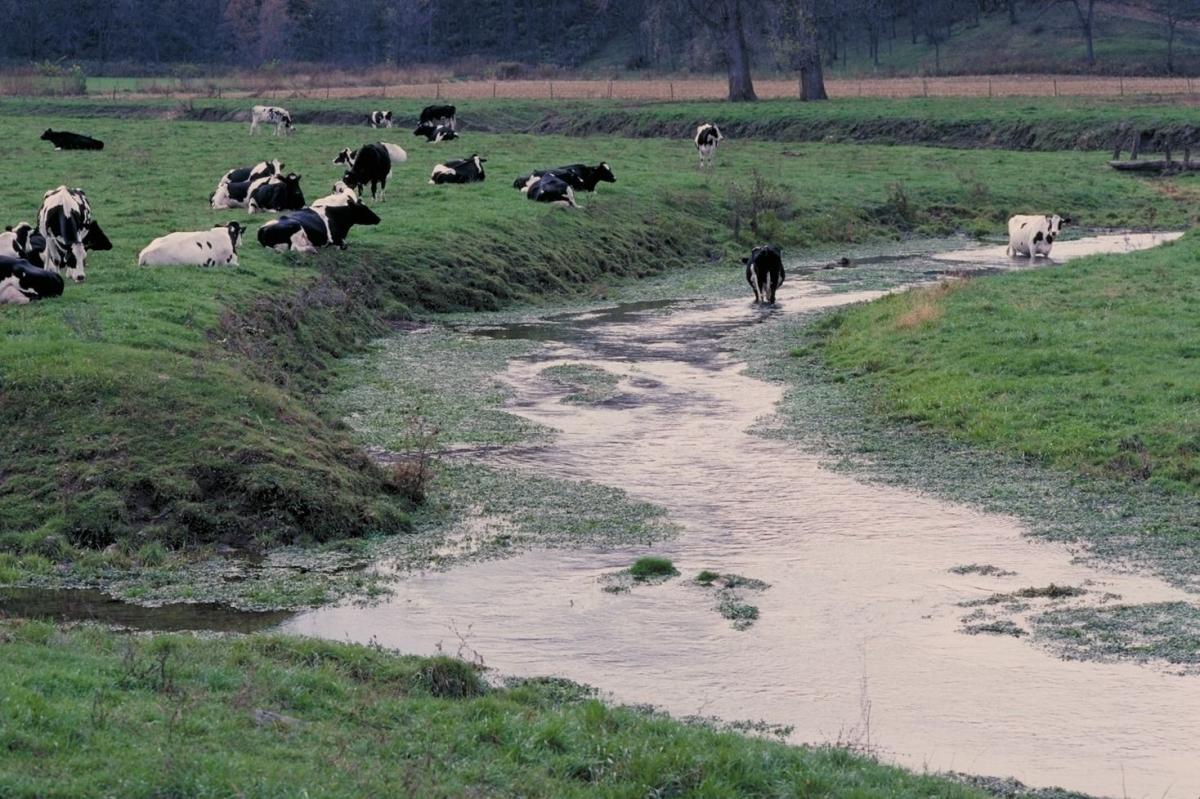
These sales contracts bring the year-to-date 2015 totals through October to 51.4 million pounds of cheese, 25.7 million pounds of butter, and 35.1 million pounds of whole milk powder. In total, CWT assisted transactions will move the equivalent of 1.308 billion pounds of milk on a milkfat basis to customers in 35 countries on five continents. These totals are adjusted for contract cancellations.

Developed by NMPF, CWT’s export assistance program supported on a voluntary basis by dairy farmers across the nation. By helping to move U.S. dairy products into world markets, CWT helps maintain and grow U.S dairy farmers’ share of these expanding markets which, in turn, keeps dairy farmer milk prices at reasonable levels.

Senate Takes on Waters of the U.S. Final Rule

The U.S. Court of Appeals for the Sixth Circuit ordered in early October a nationwide halt of the implementation of the Waters of the U.S. (WOTUS) Final Rule.
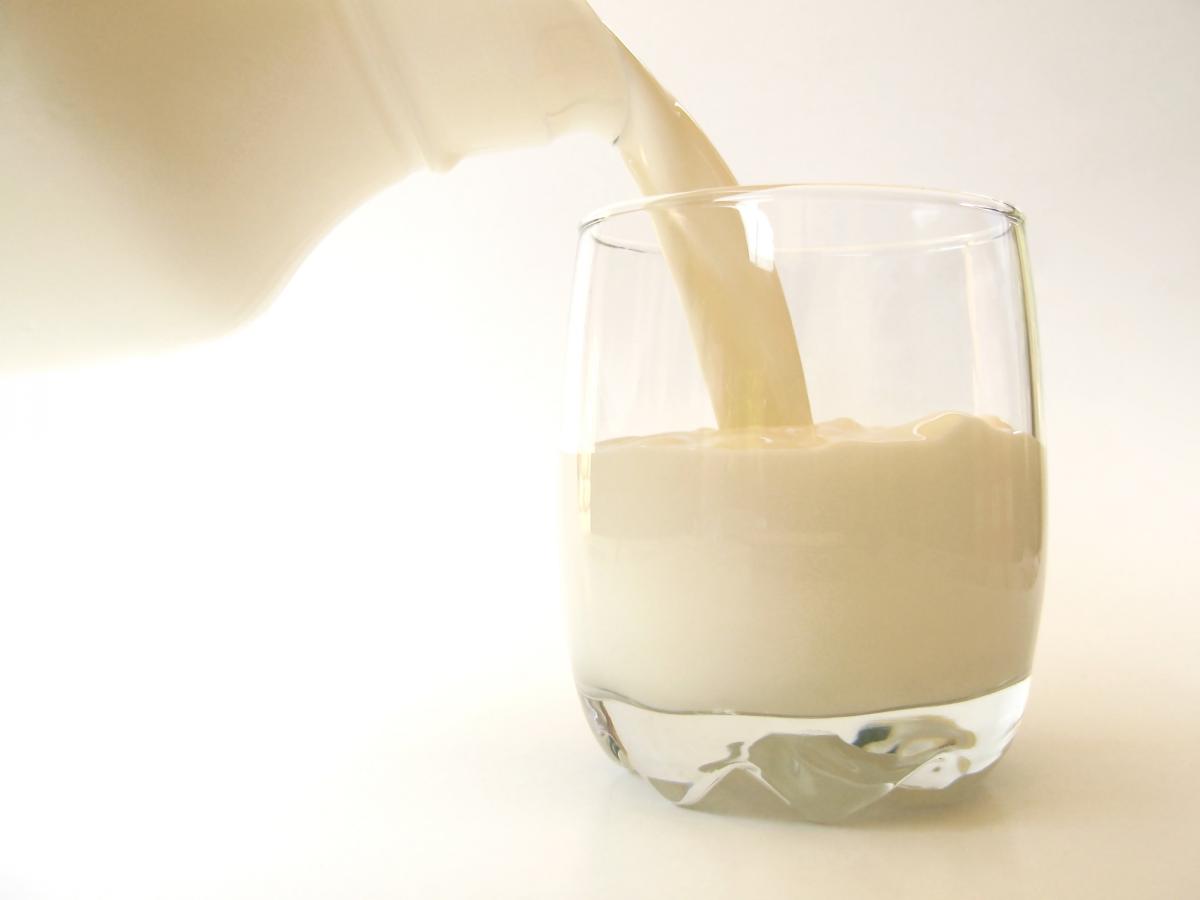
The nationwide stay was granted after a 2-1 vote. The court took issue with both the content of the rule and the lack of notice and comment for significant changes that were added in the final version. Due to both procedural and merits claims, the court ordered the Clean Water Rule stayed, nationwide, pending further order of the court.

“This ruling provides greater certainty for dairy farmers across the country, who up until today faced conflicting sets of new water regulations, depending on which state they are in,” said NMPF President and CEO Jim Mulhern.

About a month later, on Nov. 3, the Senate failed to pass legislation that would have required the EPA and U.S. Army Corps of Engineers to withdraw the current final rules and rewrite them. The next day, using a rare legislative method that allows members to void federal rules by a majority vote, the Senate voted to simply disapprove the regulations.

These developments are part of a years-long endeavor for NMPF. In November 2014, NMPF submitted comments on the proposed rule to the EPA and Corps of Engineers outlining its concerns with the lack of clarity and certainty for dairy farmers should the rule proceed. The final rule left many of these concerns unresolved. The majority opinion by the U.S. Court of Appeals for the Sixth Circuit brought forth many of the same concerns, and reaffirmed NMPF’s request to EPA and Corps of Engineers on Aug. 31  to suspend enforcement of the WOTUS regulation nationwide.

While NMPF has serious concerns about the WOTUS rule, Mulhern stressed that Federation’s members remain committed to protecting U.S. waterways through both voluntary efforts and compliance with the Clean Water Act.

“Clean water is central to the production of milk and other dairy products,” he said. “The dairy industry remains committed to working with the EPA and Corps of Engineers to find effective ways to achieve this important goal.”

New Studies Reveal Milk and Saturated Fats Are Healthier than Once Believed

Milkfat made a splash last month, when several new studies revealed that saturated fats are healthier than previously thought.
In the last year, the reputation of full-fat foods has gotten a facelift, with Americans increasingly consuming more of them, according to a study by the Credit Suisse Research Institute. Butter sales, for example, climbed 6 percent in the first three months of 2015, according to the study.

“Saturated fat has not been a driver of obesity: fat does not make you fat,” said researchers.

At the beginning of the month, dairy made the front page of The Washington Post when scientists said whole milk is not a strong contributing factor to heart disease – a notion championed by the federal government through its dietary guidelines for years. In fact, the article stated, “people who consumed more milk fat had lower incidence of heart disease.”

At the end of October, another study published in the Journal of Nutrition revealed yet more exciting news for milk drinkers: “Total and especially full-fat dairy food intakes are inversely and independently associated with metabolic syndrome in middle-aged and older adults,” the report said. Simply put: Those who consume full-fat dairy products are less likely to be afflicted with the related risk factors that predict heart disease and diabetes.

Studies like these come at a crucial time for the dairy industry. This year, the federal dietary guidelines are due for their five-year update.

“We’re entering a new era of dairy consumption,” said NMPF President and CEO Jim Mulhern. “We’ve long believed in that milkfat need not be demonized by health researchers. I’m glad to see science – and hopefully the government – catching up with us.”

NMPF has advocated on several occasions for the increased consumption of milk, including bringing more of it to school cafeterias and touting its nutritional quality through the REAL® Seal.

Foreign Dairy Subsidies Still Limit U.S. Export Potential, NMPF Tells House Panel

While the United States has reduced support mechanisms for dairy farmers in recent years, a wide range of foreign dairy subsidies remain, limiting the U.S. industry’s ability to sell more of its products overseas, NMPF Senior Vice President Jaime Castaneda told the House Agriculture Committee.

Testifying October 21, Castaneda said these foreign dairy support programs impede an industry that has gone from exporting less than $1 billion in dairy products in 2000 to $7.1 billion last year.

“Trade agreements have helped make this possible by lowering and removing barriers to our exports,” said Jaime Castaneda, NMPF’s senior vice president. “However, they have done little to constrain the use of domestic supports in the dairy sector or agriculture as a whole.”

Foreign dairy subsidies take different forms, ranging from direct aid, to import protections and regulatory measures designed to give foreign dairy producers an advantage over U.S. competitors.

According to Castaneda, the 28-nation European Union is the biggest provider of direct dairy support, offering cash payments, storage subsidies, price supports and, most recently, emergency aid to producers to counter low prices. In addition, the EU is attempting to limit dairy imports further by blocking the use of commonly used product names outside prescribed areas.

Other major countries providing direct support to their dairy farmers include Canada, India, New Zealand, and Japan, Castaneda said.