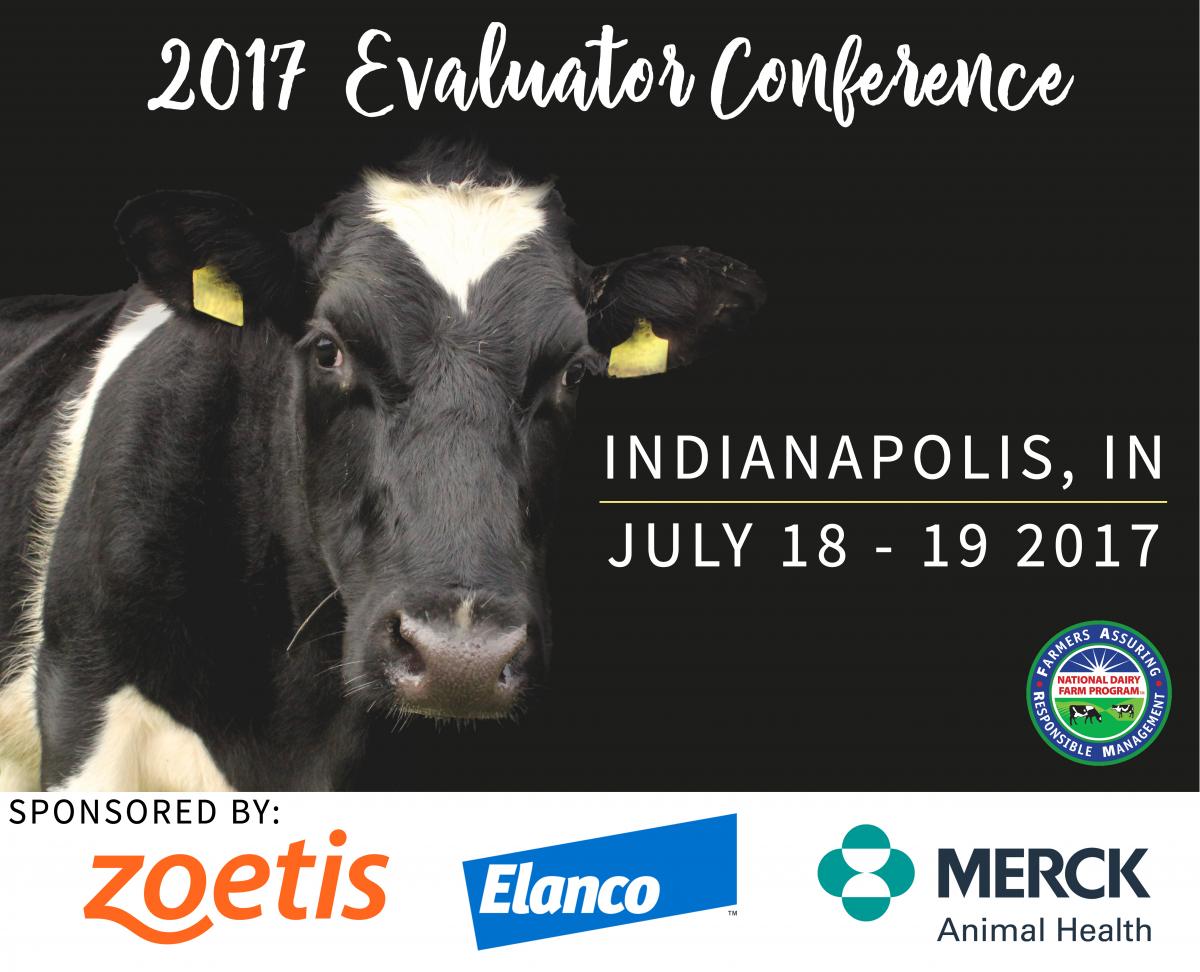
 The second National Dairy FARM Program Evaluator Conference will be held in Indianapolis, Ind., on July 18-20, 2017. More than 400 trained FARM Animal Care evaluators will have the chance to network and discuss relevant topics in animal care, environmental stewardship and antibiotic stewardship.
During the three-day conference, FARM Animal Care Evaluators will spend a day with Elanco staff, take part in presentations on topics like “The Economics of Animal Well-Being” and the importance of employee training, and have the option of visiting a 3,000-cow dairy operation.
On July 18, Elanco staff will host a professional development training session to teach evaluators about their global business and commitment to feeding the world. On July 20, Evaluators have the option to visit Fair Oaks Farms, tour the dairy facilities and engage in discussion on employee training.
Registration is $199 with the optional Fair Oaks tour an additional $50. For more information and to register for the conference, please visit the conference website.
Earlier this spring, FARM program staff hosted the organization’s first Animal Care Evaluator and Trainer session of 2017 in Grand Rapids, Mich. FARM Animal Care evaluators are required to have either extensive on-farm experience, or a combination of experience and a relevant degree in dairy science, and must be recertified annually.
Twenty-five veterinarians, students, field staff and cooperative employees attended the two-day training, where they conducted a FARM evaluation. The training was co-conducted by Praedium Ventures and the FARM Animal Care staff.
With the implementation of FARM Animal Care 3.0, all evaluators who are recertifying, as well as evaluators and trainers who have not yet been recertified in Version 3.0, are required to attend an in-person training. The FARM Program will hold an additional Animal Care Evaluator and Trainer session in Albuquerque, N.M. on Nov. 14-15. Registration information is forthcoming. Learn more about upcoming trainings on the FARM Program website.
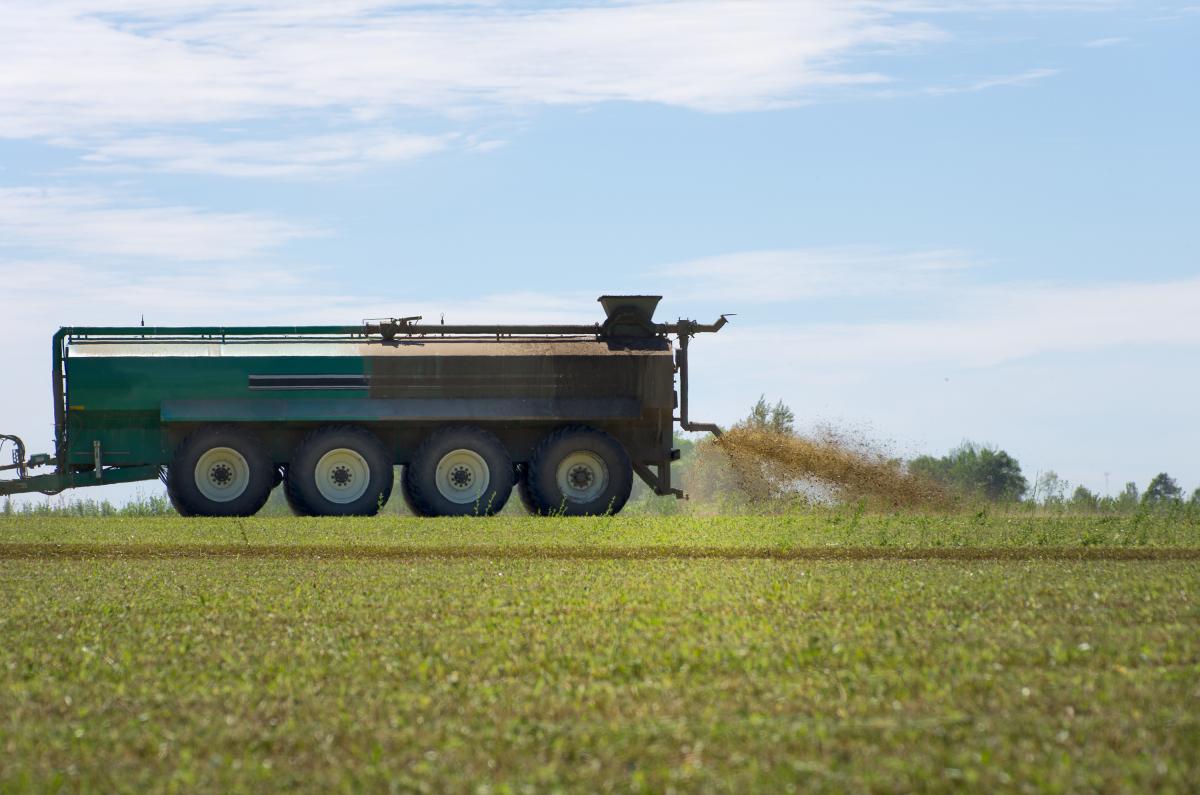 As June begins, dairy farmers and other livestock producers are asking a federal appeals court to decide that they should not have to file air emissions reports with local first responders. At issue is whether an April court ruling will impose new paperwork requirements on livestock producers, or whether the issue will be successfully appealed and resolved in a less burdensome manner.
 National Milk joined 45 agriculture trade associations, dairy cooperatives and organizations last month in providing recommendations to the U.S. Environmental Protection Agency (EPA) about regulations the agency should repeal, replace or modify. NMPF identified 11 different regulations that need to be eliminated or modified, with the Waters of the U.S. (WOTUS) rule topping the list.
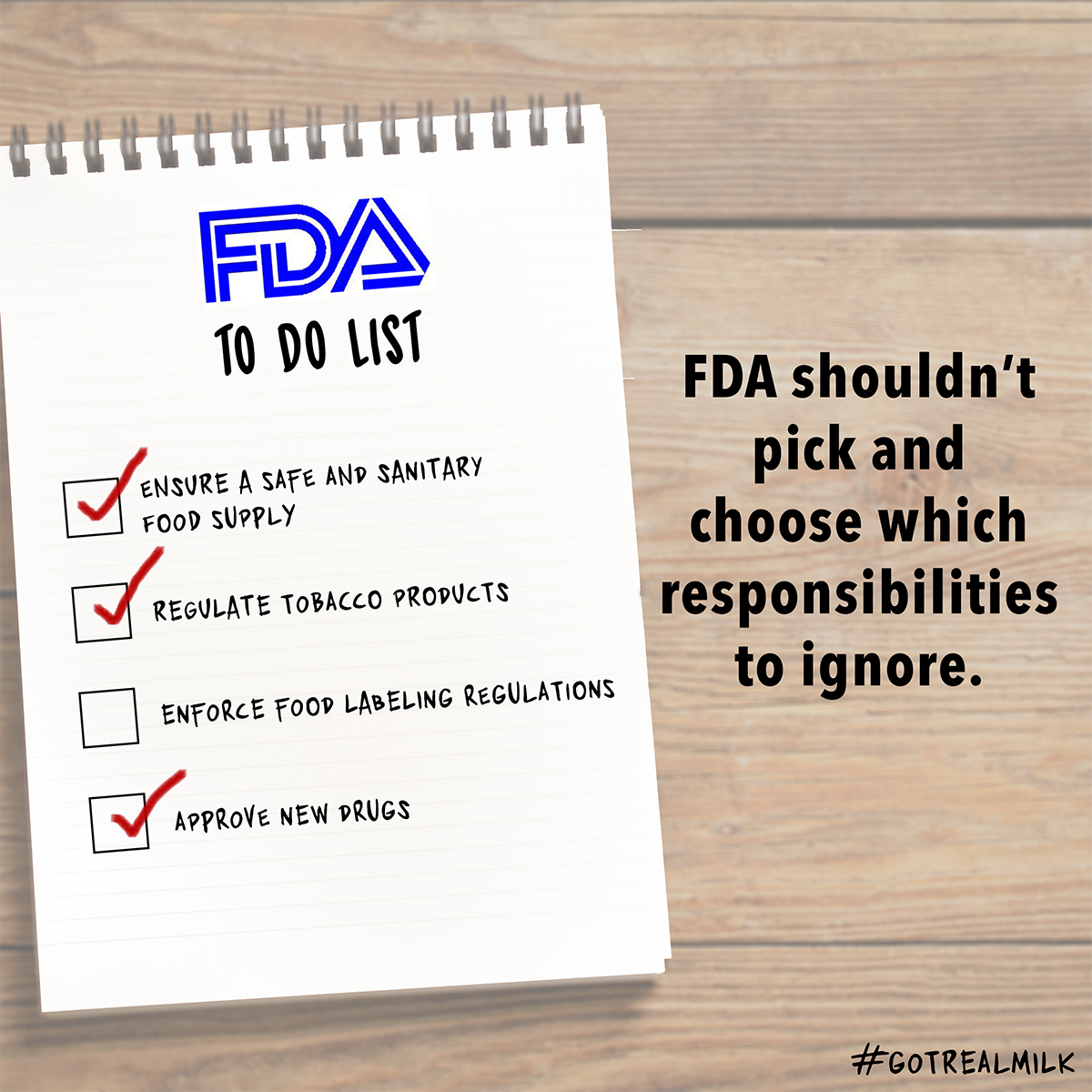 Grassroots efforts to urge Congress to pass the DAIRY PRIDE Act (DPA) continued during May, with over 600 letters of support sent to lawmakers through NMPF’s Legislative Action Center – a 50-percent increase within the last month. This surge in outreach from dairy farmers was driven by a new Facebook advertising campaign (featuring images such as the one at left) asking NMPF’s online community to express their support for proper dairy product labeling.
 Cooperatives Working Together assisted member cooperatives last month in winning 54 contracts to sell 8.1 million pounds of cheese and 1.6 million pounds of butter to customers in Asia, Europe, the Middle East, North Africa and Oceania in May 2017. The U.S.-made dairy products will be shipped from May through August 2017.
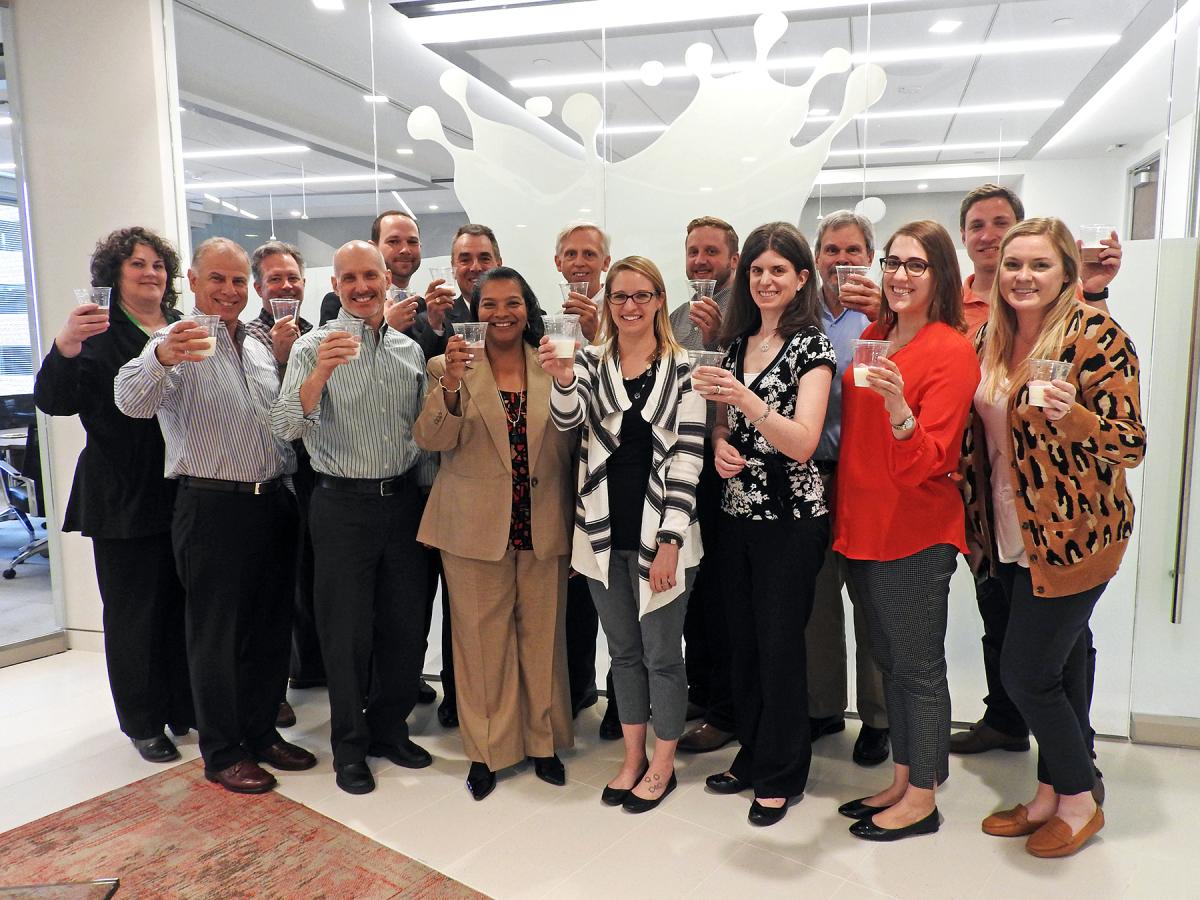 NMPF joined the U.S. dairy community in May to prepare for the formal launch this month of
  To celebrate the start of June Dairy Month and
  Since the beginning of 2017, NMPF has been helping to shape the focus of discussions over the modernization of the North American Free Trade Agreement (NAFTA). In May, the Trump Administration formally launched that process by notifying Congress that it plans to proceed with a renegotiation of the 24-year-old trade pact. NMPF will actively participate in that process through the submission of recommendations on U.S. dairy farmer priority areas, meetings with administration officials and participation in a high-profile NAFTA hearing at the end of June.