Dairy Defined Podcast: Farmers Face Choices in 2020 DMC Signup

(Note: NMPF’s Dairy Defined podcast explores today’s dairy farms and industry using high-quality data and podcast-style interviews to explain current dairy issues and dispel myths.)

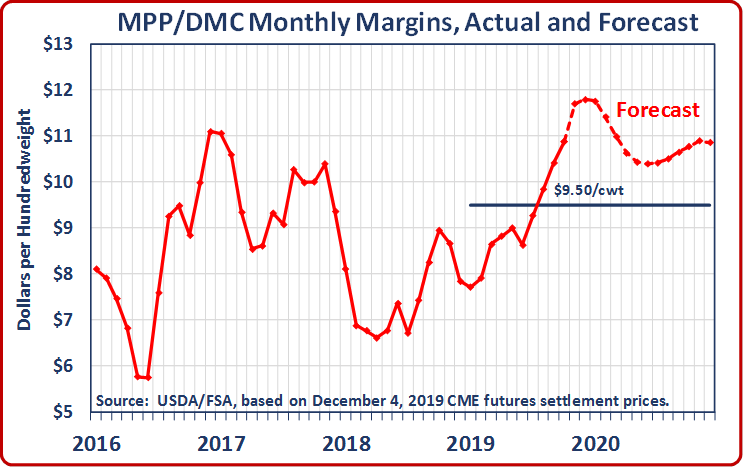
ARLINGTON, Va. – With farmers receiving a $300 million financial boost via the 2019 Dairy Margin Coverage Program, signup is now underway for the 2020 program. But every year is different, and Chris Galen, NMPF’s Senior Vice President for Member Services and Strategic Initiatives, said farmers should be paying attention to prices, production histories and financial priorities as they consider their 2020 signup options.

“For those who aren’t locked in for the full five years, you have several choices to make,” he said. “You have to look at, do you want to ensure again at the $9.50 per hundredweight maximum coverage level, or is there a level below that, that you want to pay for? Again, the premiums are higher, the higher the levels of coverage that you choose.”

To listen to the full podcast, click here. You can also find the Dairy Defined podcast on Spotify and SoundCloud. Broadcast outlets may download and use the MP3 file. Please attribute information to NMPF.

###

The National Milk Producers Federation (NMPF), based in Arlington, VA, develops and carries out policies that advance dairy producers and the cooperatives they own. NMPF’s member cooperatives produce more than two-thirds of U.S. milk, making NMPF dairy’s voice on Capitol Hill and with government agencies. For more, visit www.nmpf.org.

NMPF Statement on Its Letter to President Trump

From Randy Mooney, Producer Chairman  

“On behalf of dairy farmers and farmer-owned dairy cooperatives across the country, NMPF wrote to the President today to commend his Administration for its excellent judgment this month in including a number of European dairy products, particularly cheeses from major EU exporters such as Italy, on a list of WTO-authorized retaliatory tariffs related to the successful U.S. case against European Airbus subsidies. However, we must reject European efforts to deceive the United States about the reality of Transatlantic dairy trade. To that end, we respectfully asked the President to put the needs of U.S. dairy farmers above those of Italian and European farmers by maintaining the retaliatory tariff list against Europe, as the Administration proposed earlier this month.

“The U.S. is running a $1.5 billion dairy trade deficit with Europe because of unfair EU trade practices that largely block our access to their market while they enjoy broad access to ours. EU policies such as Italian-initiated bans on American-made parmesan, asiago and gorgonzola mean that they can ship us $1 billion in cheese each year while U.S. cheese exports to the EU clock in at $6 million.

“In light of this disparity and the EU’s refusal to meet its WTO commitments regarding illegal Airbus subsidies, American dairy farmers saw the proposed retaliatory tariff list’s strong focus on EU dairy and cheeses as at least temporarily creating a slightly more level playing field for Made in America products that face even higher barriers to entry in the EU market.

“Dairy farmers are counting on the President to stand with them and resist Italy’s request that he side with the Italian farmers and cheese makers who have blocked our own great cheeses from EU store shelves.”


Dairy Defined: Milk – A Great Addition to Your Science-Based Diet

ARLINGTON, Va. – Call it old-fashioned, but dairy believes in science. For example, it takes climate change seriously – that’s why North America’s dairy sector, which is dominated by U.S. production, is the only one worldwide whose total greenhouse gas emissions have declined from 2005 levels, according to a UN study.

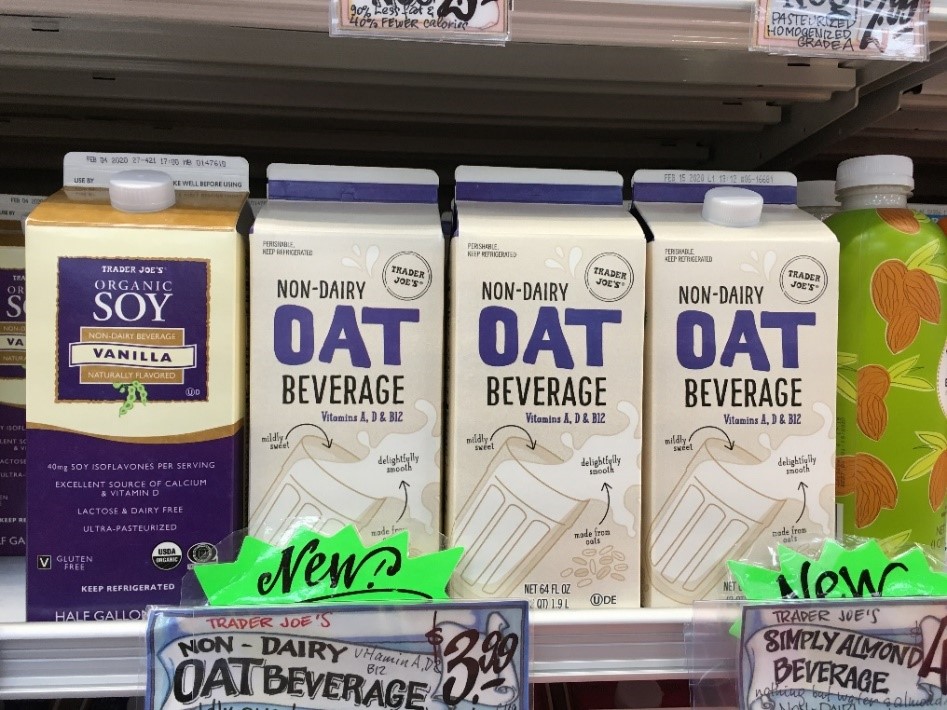
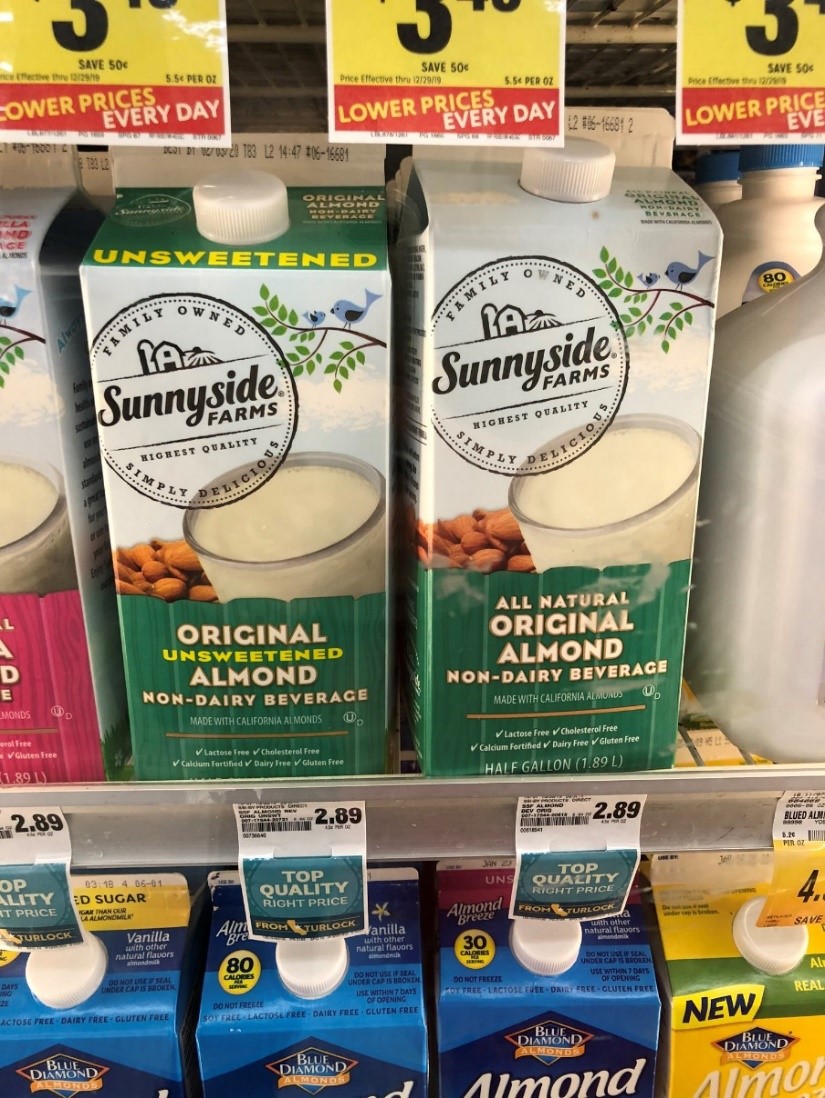
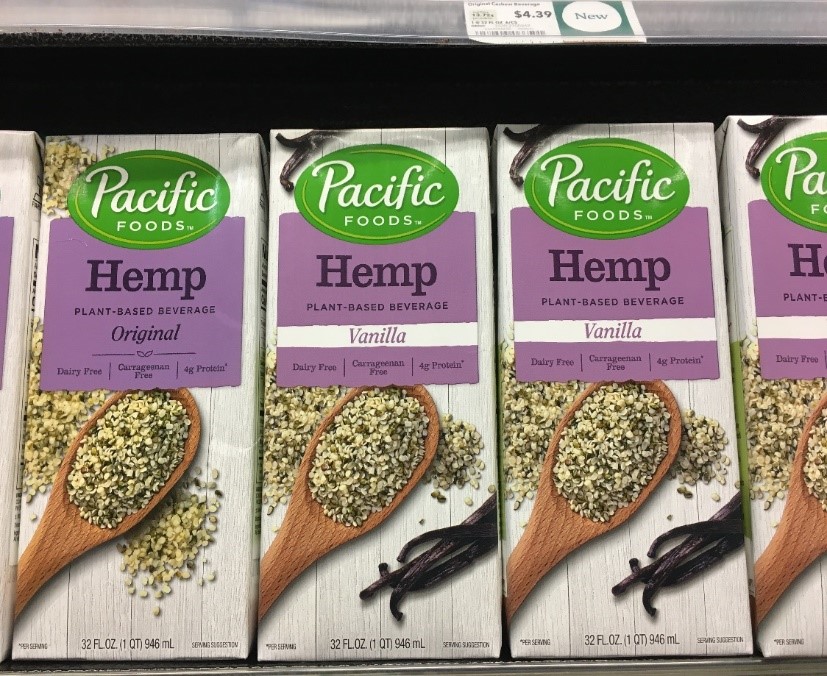
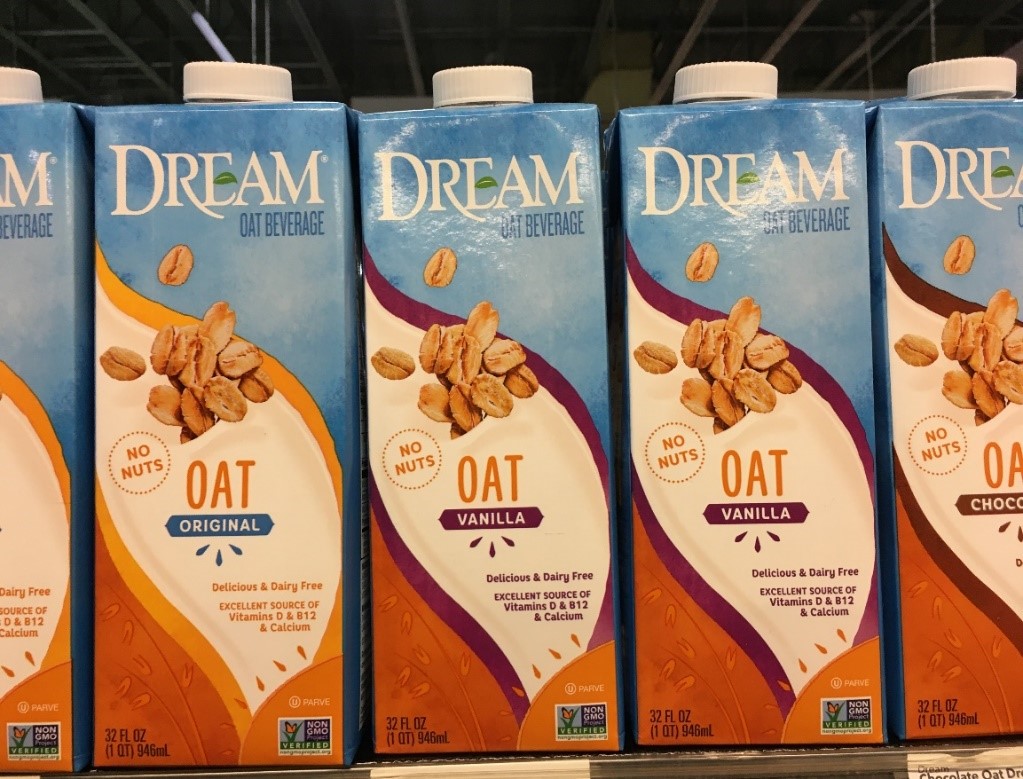
Dairy also closely examines research on hot-button topics like plant-based versus dairy beverages – where studies consistently show consumer confusion over nutrition and support for clearer labels. And the sector understands that “industry-funded research” will not be seen as quite the same as “independent” studies. Fine – even though industry transparency standards are high, critics will believe what they believe.

But if you don’t want to believe what dairy tells you – will you believe Consumer Reports?

In its November issue, Consumer Reports’ food-testing team evaluated 35 plant-based beverages, including almond, coconut, oat and soy varieties, for nutrition and taste, also comparing them with milk. The result? “Few of the drinks we tested match cow’s milk for nutrition,” the authors wrote. Experts also noted that consumers “are confused about plant milks’ nutritional profile” and that in terms of calcium intake especially, “you may be missing out” with plant-based beverages.

The study found that, along with often relying on added sugars for flavor, industrially produced plant-based beverages also include concerning additives linked to higher risks of kidney disease, heart disease, bone loss, and inflammation. That’s not exactly the story a vegan lobbyist might want you to read, but facts are facts. And by the way — they’re the same facts the Food and Drug Administration is examining as it considers enforcing already existing standards on what milk is, and what it isn’t. (We at NMPF have sent them a road map with some suggestions.)

That’s not the only interesting study of recent note. CNN recently picked up on research from the University of St. Andrews in Scotland showing that when it comes to hydration, milk outperforms even water, due to its unique blend of nutrients.  The lactose in milk, for example, helps slow the emptying of fluid from the stomach, maintaining hydration longer. Beverages with higher concentrations of sugars, such as juices and sodas, use up the water that’s needed to dilute them.

These are only two studies. There are more. Did you see the one from the Academy of Nutrition and Dietetics, the American Academy of Pediatrics, the American Academy of Pediatric Dentistry, and the American Heart Association? It recommended that children under 5 drink only milk and water, specifically warning against replacing milk with plant-based beverages. And how about last year’s University of Wisconsin study showing that, once you factor in packaging and transportation, soy and almond beverages have a larger carbon footprint than milk, with almonds exponentially higher in water use?

The evidence keeps coming in: Milk is a highly nutritious, climate-compatible beverage that benefits consumers. And it’s not just dairy sources saying that – it’s respected scientists in reputable publications. (A few more studies of interest are listed below for ease of reference.) From the evidence, one might just conclude that milk is an excellent part of a science-based diet. But maybe it’s just old-fashioned, thinking a debate should be focused around facts instead of marketing.

A few links of interest for additional examination:

(Note: NMPF’s Dairy Defined each week explores today’s dairy farms and industry using high-quality data and podcast-style interviews to explain current dairy issues and dispel myths.)

###

The National Milk Producers Federation (NMPF), based in Arlington, VA, develops and carries out policies that advance dairy producers and the cooperatives they own. NMPF’s member cooperatives produce more than two-thirds of U.S. milk, making NMPF dairy’s voice on Capitol Hill and with government agencies. For more, visit www.nmpf.org.

Dairy Defined Podcast: FARM Program Leads in Animal Care

(Note: NMPF’s Dairy Defined podcast explores today’s dairy farms and industry using high-quality data and podcast-style interviews to explain current dairy issues and dispel myths.)

ARLINGTON, Va. – The National Dairy Farmers Assuring Responsible Management (FARM) program spent last week at the World Dairy Expo in Madison, Wisconsin, talking to farmers about the initiative’s updated standards for animal care. Emily Yeiser-Stepp, FARM director, said closer relationships between farmers and veterinarians, enhanced care standards for calves and non-ambulatory animals, and workforce training that spotlights quality animal care, all keep dairy a livestock leader in treatment of animals.

“It’s critically important for the dairy community to demonstrate what we’re doing within the animal care space,” she said. “It allows, again, for that assurance for our customers and consumers to feel good about the dairy products that they’re purchasing.”

To listen to the full podcast, click here. You can also find the Dairy Defined podcast on Spotify and SoundCloud.

NOTE: Broadcast outlets may use the MP3 file. Please attribute information to NMPF.

Statement on U.S. Response to Illegal EU Subsidies Under WTO

ARLINGTON, VA – “Subsidies and barriers that handicap U.S. businesses in the global marketplace by violating international trade commitments shouldn’t be tolerated. We strongly support the World Trade Organization’s imposition of $7.5 billion in retaliatory duties on European products, including dairy foods, to prod the EU to uphold its World Trade Organization commitments and reinforce the importance of two-way trade.

“NMPF strongly endorses the U.S. Trade Representative’s new list of European dairy exports that will now face higher tariffs, including cheeses, yogurt and butter.

“The U.S. is running a $1.6 billion dairy trade deficit with Europe because of unfair EU trade practices that block our access to their market while they enjoy broad access to ours.

“Trade authorities should also address one particularly egregious example of EU trade practices: the EU’s abusing the use of geographical indications to limit competition from cheese exporters in the U.S. that use common food names. Rather than compete head-to-head with high-quality American-made foods by allowing the use of common food names to coexist alongside GIs relating to those products, Europe instead blocks sales of these everyday food products from the United States and aggressively pressures other countries to do the same.

“The retaliatory tariffs announced today are a clarion call for fair trade and an indication that trade must be a two-way trade. What better way to reduce the U.S. trade deficit with Europe than by selling them award-winning US cheeses?”

Note: Today the World Trade Organization announced the size of the retaliatory tariffs on EU goods the U.S. may levy in response to illegal EU subsidies to Airbus. These tariffs may continue until the EU brings its policies into compliance with WTO rules.

###

The National Milk Producers Federation, based in Arlington, VA, develops and carries out policies that advance dairy producers and the cooperatives they own. NMPF’s member cooperatives produce more than two-thirds of U.S. milk, making NMPF dairy’s voice on Capitol Hill and with government agencies. For more, visit www.nmpf.org.

Registration Deadline is Oct. 10 for 2019 Annual Meeting

With the registration deadline for the 2019 NMPF annual meeting looming Oct. 10, dairy producers and cooperative executives need to reserve both a hotel room and register for the meeting by the end of this week.

This year’s meeting, Nov. 4-6 at the Hyatt Regency hotel in New Orleans, will highlight the ways DMI and NMPF are collaborating to tackle two major issues facing dairy farmers today:  the importance of animal care in promoting the image of the U.S. dairy sector; and the opportunities available to U.S. dairy farmers for international market growth.

Attendees will hear from industry leaders during panel discussions on these topics, including Mike Haddad of Schreiber Foods; Simon Vander Woude of California Dairies, Inc.; Mike Durkin of Leprino Foods; and Ritch Allison of Domino’s Pizza. These perspectives will be complimented by the unique perspectives of farmer leaders from across the country. Attendees will also hear from University of California-Davis professor Frank Mitloehner, who will address how the entire value chain can work together to make dairy a sustainability success story.

The meeting will feature a Town Hall presentation from National Milk staff to provide participants with an overview of the work that the organization has provided for its members in 2019.  The general sessions will be preceded by the NMPF Board and Delegates meetings, and the Young Cooperator session, on Monday, Nov. 4.

Learn more about the meeting from the 2019 Join Annual Meeting website.  Individuals may register for the 2019 Join Annual Meeting at this link. Make hotel reservations ASAP using this link (NOTE: reserving a hotel room is a separate process from meeting registration).

CWT-assisted sales contracts top 94 million pounds of dairy product exports

Cooperatives Working Together in September assisted member cooperatives in capturing 39 contracts to sell 2.4 million pounds of American-type cheeses, 299,829 pounds of butter, 7.8 million pounds of whole milk powder, and 668,001 pounds of cream cheese. The products will be going to customers in 12 countries in Asia, the Middle East, Central and South America and are being shipped during the period from September 2019 through next February.

These contracts bring the 2019 total CWT-assisted product sales contracts to 94.4 million pounds, which includes of 42.6 million pounds of cheese, 4.5 million pounds of butter, 42 million pounds of whole milk powder, 277,782 pounds of anhydrous milkfat, and 5 million pounds of cream cheese. These transactions will move the equivalent of 848 million pounds of milk on a milkfat basis overseas.

Assisting CWT member cooperatives gain and maintain world market share through the Export Assistance program in the long-term expands the demand for U.S. dairy products and the U.S. farm milk that produces them. This, in turn, helps all U.S. dairy farmers by strengthening and maintaining the value of dairy products that directly impact their milk price.

The amounts of dairy products and related milk volumes reflect current contracts for delivery, not completed export volumes. CWT will pay export assistance to the bidders only when export and delivery of the product is verified by the submission of the required documentation.

All cooperatives and dairy farmers are encouraged to add their support to this important program. Membership forms are available at http://www.cwt.coop/membership.

Innovation Center Accepting Sustainability Award Nominations

The Innovation Center for U.S. Dairy is now accepting nominations for the 2020 U.S. Dairy Sustainability Awards, which showcases the efforts cooperatives are making across the country that demonstrate positive environmental, societal and economic impact.

Cooperatives or farmer-members may be nominated in any of the following categories:

  • Outstanding Dairy Farm Sustainability
  • Outstanding Community Impact
  • Outstanding Supply Chain Collaboration
  • Outstanding Dairy Processing and Manufacturing Sustainability

Entries are at no cost. To learn more about eligibility, application requirements and to nominate someone, visit USDairy.com/Awards. Nominations close Nov. 15.

More than 70 farms and business have already been recognized through the U.S. Dairy Sustainability Awards program. The 2020 winners will receive:

  • An expense-paid trip to Chicago next April to the awards ceremony and annual dairy sustainability events
  • National and local recognition of their passion for sustainability
  • A featured case study on com to share insights and lessons learned with industry peers
  • Opportunities to work with others in the dairy community to help advance sustainability

NMPF Asks EPA to Reassess Washington State Nitrate Study

In a letter to Administrator Andrew Wheeler, NMPF asked the Environmental Protection Agency to reassess a 2012 study examining the sources of nitrates in Washington’s Yakima Valley.  This report unfairly accuses local dairy farmers of contributing the majority of nitrates in lower Yakima Valley groundwater. When this study was published, there were questions and concerns raised by some of the top scientists and agronomists in the country that were apparently ignored by the Region 10 EPA staff.  Yet EPA has used this flawed study as the basis for regulatory decisions.

The study had several flaws, including inadequate data to support the conclusions that were being made, limited site information, using data only pertaining to the soils in the Yakima valley, errors in estimating the seepage rates from manure lagoons and not accounting for all sources of nitrates. Other groups have written letters, as has Rep. Dan Newhouse, R-WA, in support of doing a new review of the study. NMPF is hoping the agency will soon conduct a more thorough review of the science.

FARM Updates AMR Challenge

The FARM program has updated its Antimicrobial Resistance Challenge numbers, showing dairy’s commitment to preventing the development of superbugs in livestock.

The Antimicrobial Resistance (AMR) Challenge was launched by the Centers for Disease Control and Prevention at the United Nations General Assembly in 2018 to “accelerate the fight against antimicrobial resistance across the globe.” By participating, governments, non-governmental organizations and private companies committed to preventing the spread of antimicrobial resistance and slowing the development of new resistance.

The National Milk Producers Federation committed to the AMR Challenge last year, joining more than 200 participants worldwide. NMPF took up the challenge through encouraging increased veterinary oversight of antibiotic use via FARM’s Veterinarian-Client-Patient-Relationship initiative. Under VCPR, a dairy farmer consults with a veterinarian on development of treatment and recordkeeping protocols that address the proper use of antibiotics. Dairy farms then are evaluated on conformance to the standards by a certified independent expert.

Since 2017, 27,650 dairy farms have been evaluated by the FARM Animal Care Program. Seventy-eight percent of evaluated farms had a valid VCPR, and the remaining 22 percent obtained a valid VCPR with the next 5.5 months.  For more about the AMR Challenge, visit at https://www.cdc.gov/drugresistance/intl-activities/amr-challenge.html.