 The National Dairy Farmers Assuring Responsible Management (FARM) Program hosted a joint animal care evaluator and evaluator trainer course in Madison, Wisconsin on March 20 and 21, welcoming 16 participants to the evaluator trainer course and 10 to the evaluator training.
These training courses consisted of one day in the classroom and one day on a farm completing a FARM Version 3.0 Animal Care evaluation. The training’s on-farm experience was hosted by Foremost Farms and the University of Wisconsin.
For evaluators and trainers looking to be recertified in person, the FARM Program will host another course in Charlotte, North Carolina, on Nov. 27-28. To remain up to date on certification, evaluators are required to complete an annual recertification course. Those interested in becoming certified FARM animal care evaluators can learn about minimum requirements and certification here.
Meanwhile, third-party verifications of those second-party FARM Program animal care evaluations completed in 2017 are halfway done, with full completion anticipated by the end of May.
The third-party verification process identifies any inconsistences in evaluator observations across the program. Farms that underwent a second-party evaluation in 2017 are placed in a random sampling pool to identify farms that will also undergo third party verification. The FARM Program has contracted two third-party vendors, Food Safety Net Services (FSNS) and the U.S. Department of Agriculture-Agriculture Marketing Services (USDA-AMS), to complete verifications. All third-party verifications should be prescheduled with farmers and cooperative or processor staff.
If FARM participants have questions about the verification process, please contact Jamie Jonker.
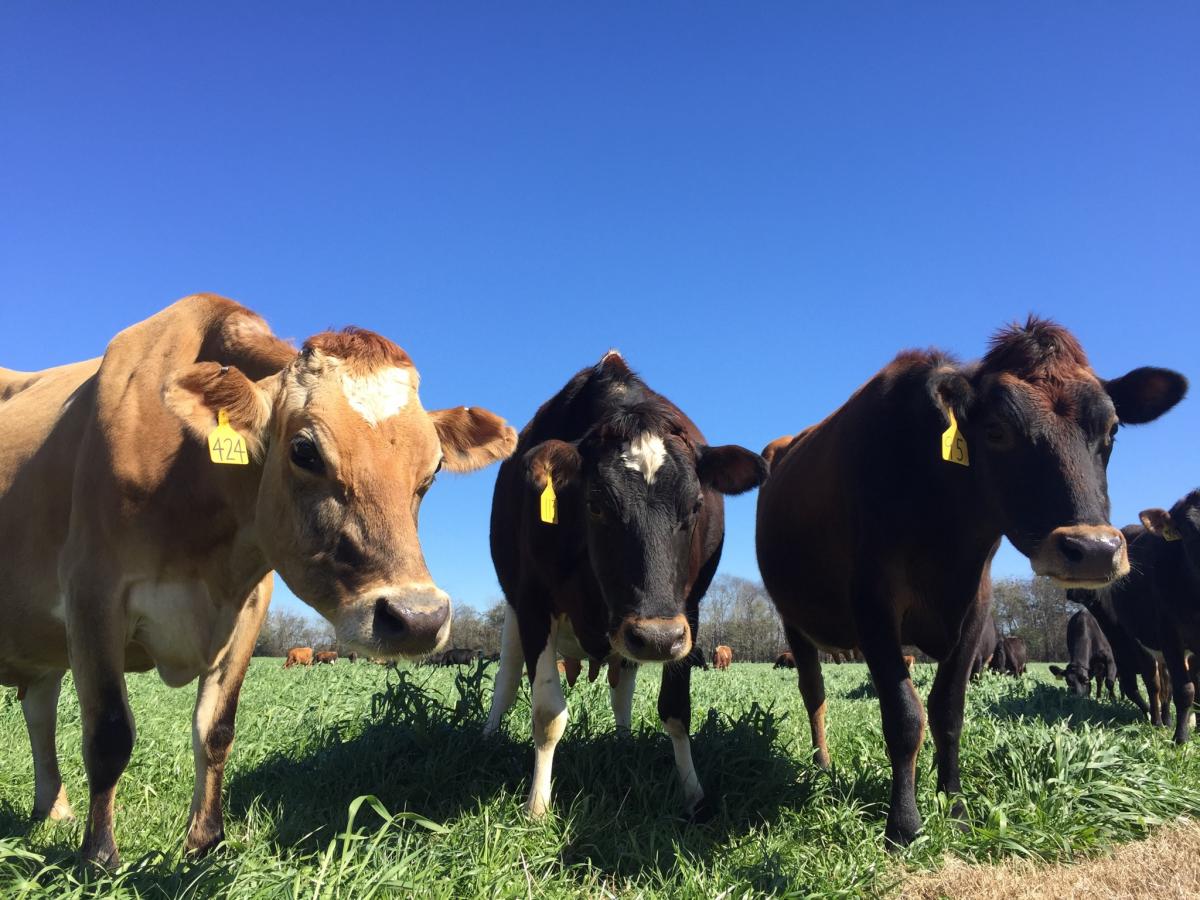 In mid-March, the U.S. Department of Agriculture (USDA) USDA formally withdrew a final rule regarding animal welfare standards, acting on a recommendation from NMPF
 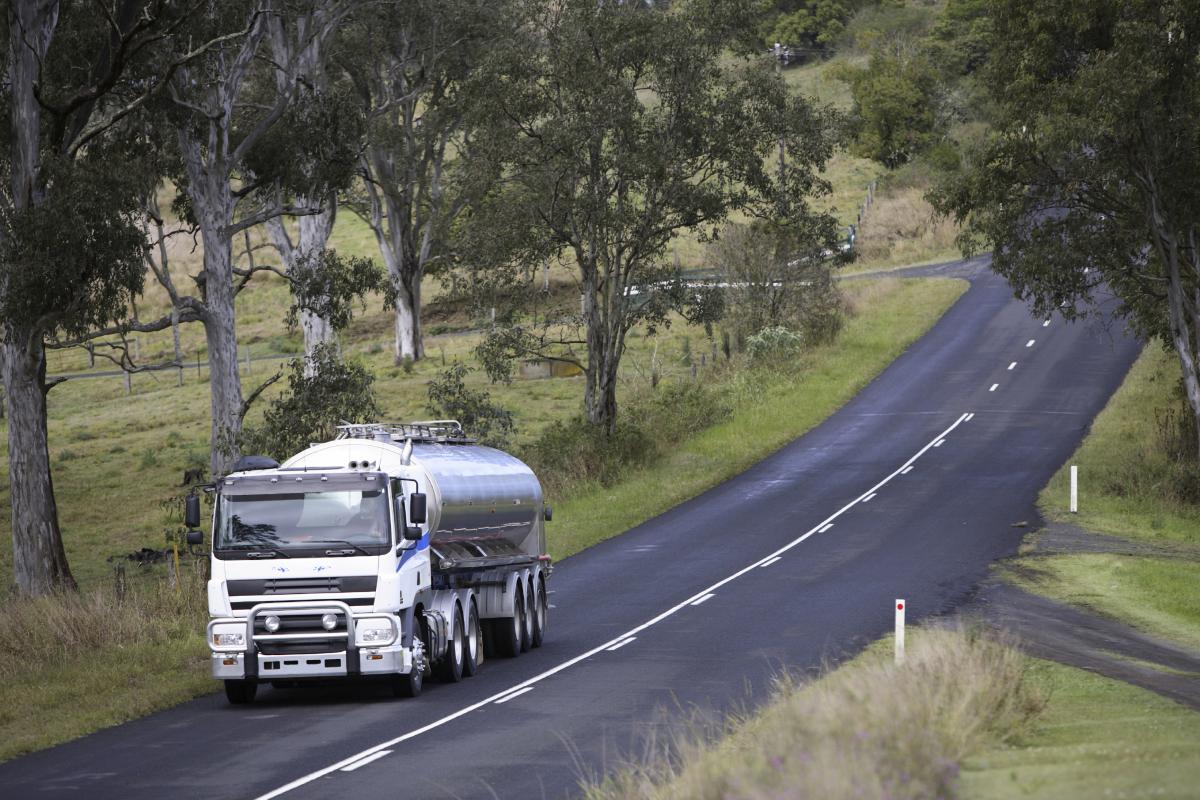 NMPF is working to relieve the dairy industry from a pending mandate that dictates all commercial trucks be equipped with electronic logging devices (ELDs) to track compliance with federal hours of service (HOS) regulations.
 Cooperatives Working Together (CWT) assisted member cooperatives in securing 78 contracts last month to sell 10.64 million pounds of American-type cheeses and 2.92 million pounds of butter to customers in Africa, Asia, Central America and the Middle East. The product will be shipped to customers in 12 countries in five regions of the world during the months of March-June 2018.
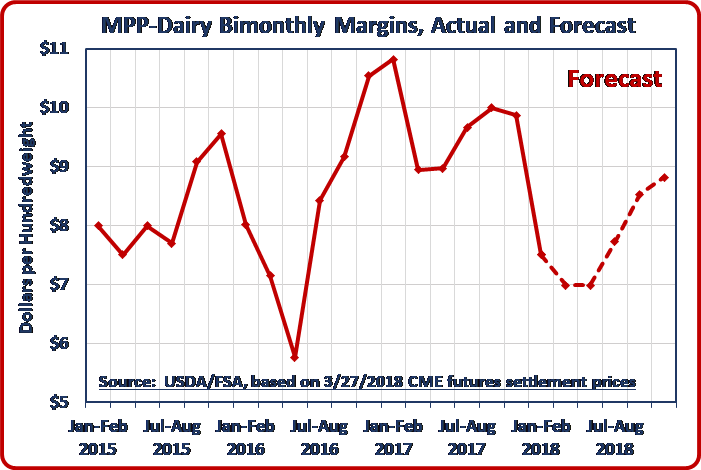 The monthly margin under the Margin Protection Program (MPP) for February 2018 was $6.88/cwt., $1.23/cwt. less than the margin a month earlier. This was the third monthly drop of more than $1.00 in the MPP margin. The two previous ones, in December and January, were driven mostly by lower milk prices. The further drop from January to February was split more evenly between a lower all-milk price and an increase in the formula’s determination of feed costs. Most of the feed cost increase for February, on a per-hundredweight-of-milk basis, was due to higher soybean meal prices. All three components of the MPP feed cost formula rose from January to February.
 NMPF
NMPF 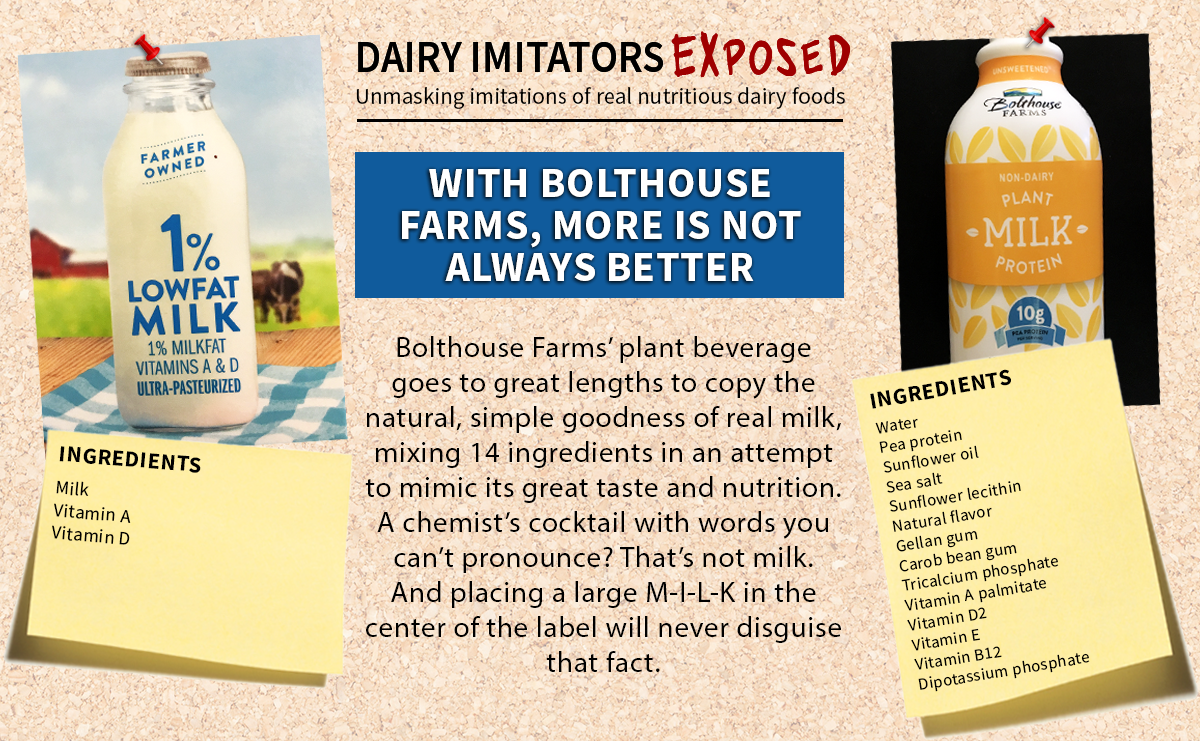
 Following an Agriculture Department announcement that it would re-open the enrollment period for the dairy Margin Protection Program (MPP), NMPF encouraged producers to review the new coverage options available under the improved program, which will open for sign up on April 9 and close June 1.
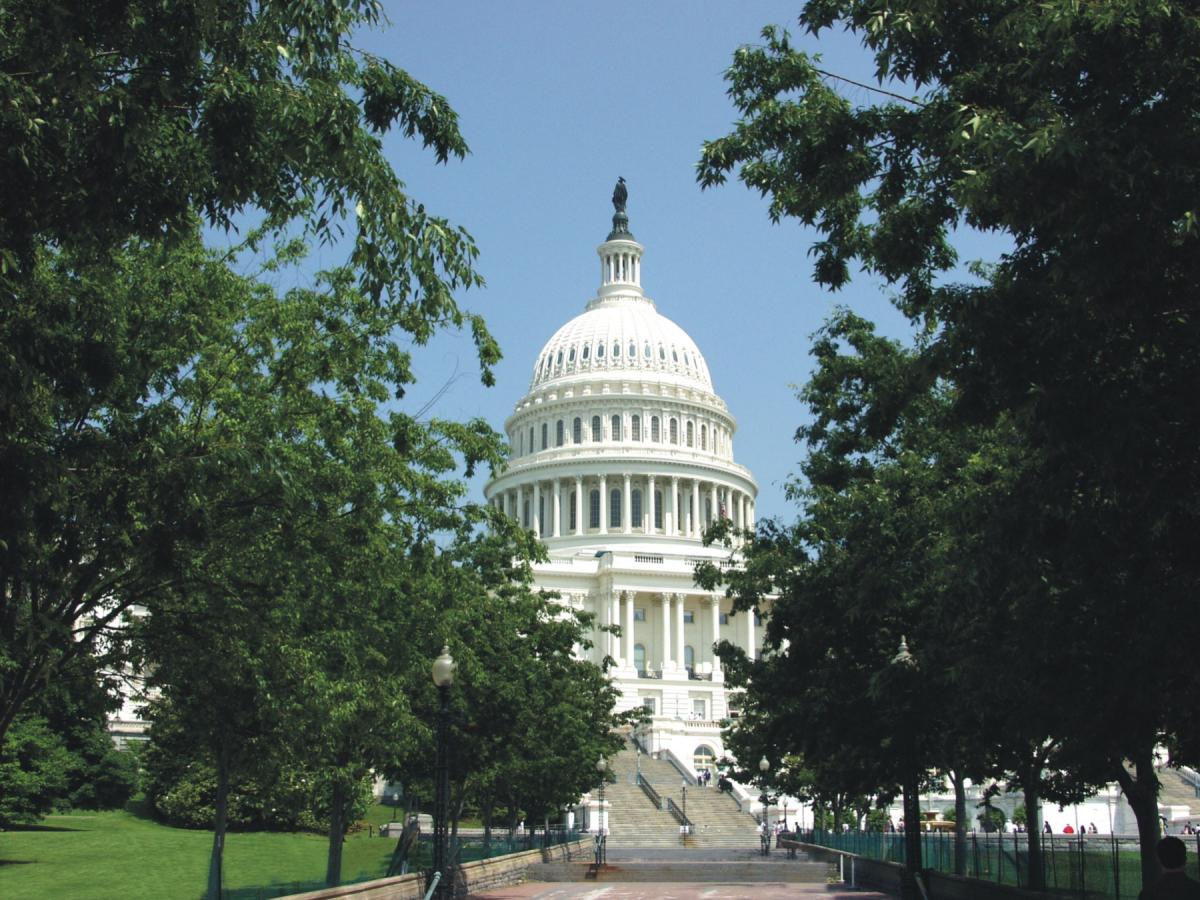 With mere hours to go before a potential third government shutdown, Congress passed a $1.3 trillion spending bill on March 22 that contained several important achievements for America’s dairy farmers, including committee report language directing FDA to act on mislabeled dairy imitations, and relief from potential regulation under the CERCLA law. President Donald Trump signed the massive appropriations bill into law the following day.