ARLINGTON, VA – Legislation introduced today in the U.S. House of Representatives will help dairy farmers increase their investment in technologies, such as manure digesters, that improve the environment, the National Milk Producers Federation (NMPF) said today in support of the Agriculture Environmental Stewardship Act.
The new bipartisan legislation, introduced Thursday in the House by Reps. Ron Kind (D-WI) and Tom Reed (R-NY), will enable dairy farmers to find new ways to reduce their environmental footprint, both on their farms and in their communities. For more information about this legislation, a fact sheet is available here.
“This measure recognizes the value that biogas systems can have as dairy producers continue improving the sustainability of their farms, large and small, across the country,” said Jim Mulhern, president and CEO of NMPF. “Importantly, the creation of this new investment tax credit also addresses the value of nutrient recovery technologies, which can transform manure into fertilizer for crops and bedding for cows. This bill will help dairy farmers to utilize these new, often expensive technologies on their dairies.”
According to the Environmental Protection Agency, just over 250 biogas systems are operational or under construction on dairy and hog farms, but as many as 8,000 farms have the potential to use them. In recent years, federal and state regulators have encouraged the entire agriculture sector to reduce farm nutrient output to improve water quality in crucial watersheds including the Chesapeake Bay, the Great Lakes region and the Pacific Northwest.
The Agriculture Environmental Stewardship Act is also being sponsored by the bipartisan co-chairs of the Congressional Dairy Farmer Caucus. NMPF sent a letter today thanking the sponsors for their efforts to move this legislation through Congress. A similar bill is expected to be introduced this year in the Senate.
The legislation was also endorsed by the American Biogas Council: “For a healthy economy, we need healthy soils and clean watersheds. Biogas and nutrient recovery systems contribute to cleaner, healthier soil and water and the Agriculture Environmental Stewardship Act will make these systems possible,” said Patrick Serfass, Executive Director of the council. “We thank Congressmen Reed, Kind and the other co-sponsors of this bill for recognizing the far reaching benefits of sustainable farming where organic material and nutrients are recycled to create beneficial soil products, baseload renewable energy and jobs.”
NMPF’s Mulhern reiterated that the Agriculture Environmental Stewardship Act removes a potential stumbling block to more widespread use of digesters “by creating incentives to make biogas and manure resource recovery technologies more affordable, in the same way that tax incentives are used to encourage investments in other renewable energy sources. This benefits society by decreasing nutrient runoff in waterways, decreasing farm odors, and improving water quality. Dairy farmers are environmental stewards who take great pride in the land, air and water quality on and around their farms.”
Dairy farmers and their dairy community partners continue to work to embrace the best possible environmental practices. In 2008, the dairy industry voluntarily set a goal of reducing greenhouse gas (GHG) emissions from fluid milk by 25 percent by 2020, and has since undertaken several projects intended to help meet that goal.
###
The National Milk Producers Federation (NMPF), based in Arlington, VA, develops and carries out policies that advance the well-being of dairy producers and the cooperatives they own. The members of NMPF’s cooperatives produce the majority of the U.S. milk supply, making NMPF the voice of dairy producers on Capitol Hill and with government agencies. For more on NMPF’s activities, visit our website at www.nmpf.org.
 WASHINGTON, DC – At a congressional hearing Tuesday on Capitol Hill, National Milk Producers Federation Chairman Randy Mooney said that well-negotiated trade agreements have the potential to increase export opportunities for America’s dairy farmers, but he warned that the terms of free trade agreements must be tenaciously enforced.
 ARLINGTON, VA – With Vermont’s biotechnology food labeling law about to take effect in July, the National Milk Producers Federation today urged Congress to take immediate action to establish a federal standard that would preempt state GMO food labeling mandates.
 The U.S. Food and Drug Administration (FDA) last month released the seventh and final major component of its massive overhaul of federal food safety laws, known as the Food Safety Modernization Act. The final regulation is called “Mitigation Strategies to Protect Food Against Intentional Adulteration,” otherwise known as the Food Defense Rule. The new rule reflects input from NMPF that dairy farms need not be the focus of additional attempts to further regulate food safety at the farm level.
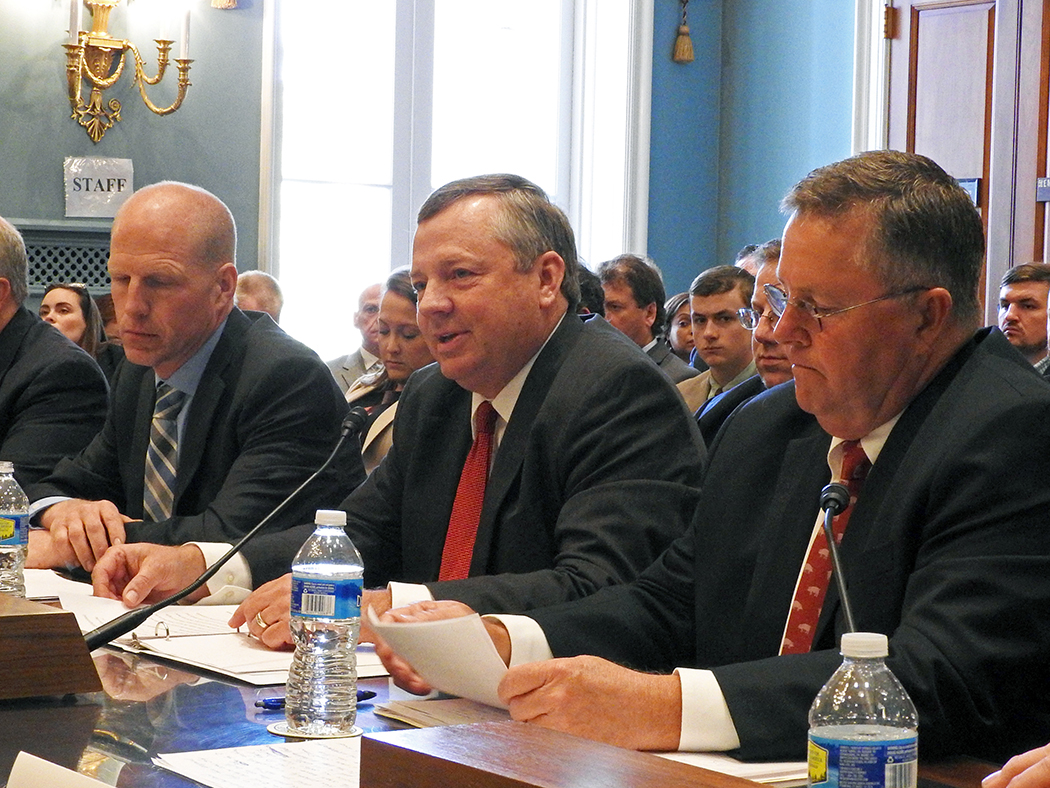 NMPF Chairman Randy Mooney told a congressional committee in late May that the current dairy economic situation is presenting real challenges for dairy farmers, and urged Congress to work with NMPF to strengthen the Margin Protection Program, pass federal labeling preemption legislation for foods produced with biotechnology, and pursue market-access opportunities through balanced trade agreements.
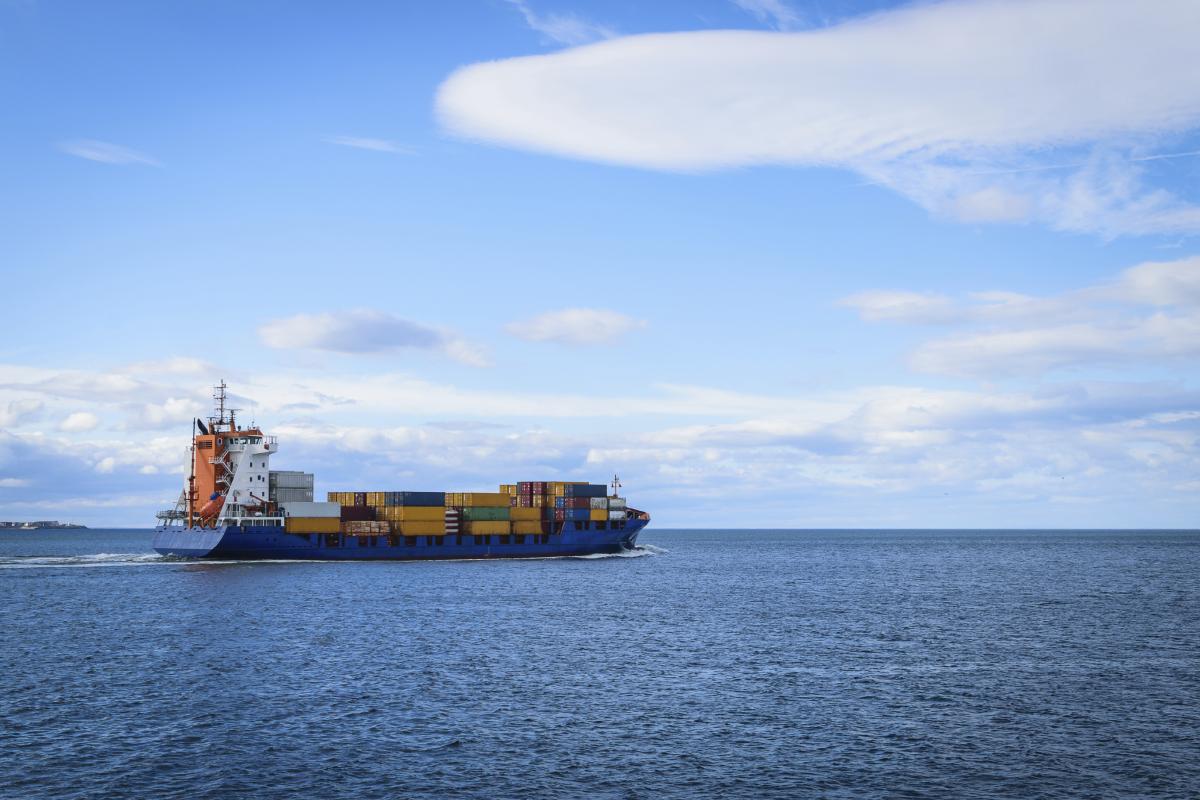 Following the U.S. International Trade Commission report on the economic impact of the Trans-Pacific Partnership, NMPF and the U.S. Dairy Export Council reiterated that the 12-nation trade agreement, if appropriately enforced, would be beneficial to the U.S. dairy industry.
 The FARM Animal Care Program is hosting numerous events through the summer and fall to prepare participants for Version 3.0 of the program, set to be implemented on January 1, 2017.
 The U.S. Farmers and Ranchers Alliance, of which NMPF is a member, is looking for its new class of standout farmers and ranchers to share on a national stage how they grow and raise food. To help put a real face on agriculture, USFRA will select a group of individuals who are proud of what they do, eager to share their stories of continuous improvement, and who already have a strong presence on social media. The previous Faces class included dairy producer Will Gilmer of Alabama, and the current class features Carla Wardin of Michigan.
 Cooperatives Working Together members secured 27 contracts to sell 4.890 million pounds of American-type cheese, 813,506 pounds of butter and 396,832 pounds of whole milk powder in May. These products will go to customers in Asia, Central America, the Middle East, North Africa, Oceania and South America. The products will be shipped from May through November 2016.
 Canada is moving forward with a dairy policy designed to alter the market access available to the U.S. dairy industry. A pricing proposal introduced in Ontario this spring, and reportedly scheduled to be announced nationally in the very near future, is intended to harm imports of ultra-filtered milk from the United States. Already, American exports of ultra-filtered milk to Canada have dropped significantly due to procurement adjustments by Canadian processors last month.