NMPF to Provide Informational Resources on FSMA Rule

The Food Safety Preventive Controls Alliance (FSPCA), of which NMPF is a member, is hosting several upcoming webinars about the Food Safety Modernization Act’s Mitigation Strategies to Protect Food Against Intentional Adulteration Rule (IA Rule). Offered in collaboration with the U.S. Food and Drug Administration, these webinars will provide stakeholders, including dairy cooperatives, with more information about the IA Rule. It will also allow food facilities that are required to comply with the rule to obtain a more in-depth understanding of those requirements. The IA rule does not apply to dairy farms.

Interested parties – including NMPF members – must register for the webinars. The first webinar is scheduled for June 20 at noon EDT, and will review the vulnerability assessment requirements of the IA Rule. The one-hour webinar will include a short Q-and-A session. Other webinar dates are:

Aug. 22, 2017 12:00 Noon EDT
Oct. 24, 2017 12:00 Noon EDT

Clay Detlefsen, NMPF’s senior vice president for regulatory and environmental affairs, and member of the FSPCA Steering Committee and the Intentional Adulteration workgroup, is creating training materials to help NMPF’s members understand the requirements of this and other FSMA rules. NMPF encourages its members with processing operations to take advantage of this opportunity. 

NMPF Facilitates NCIMS Passage of Proposals to Enforce Labeling, Enhance Safety of Dairy Foods

Several priority initiatives of NMPF and its members won the backing of the National Conference on Interstate Milk Shipments (NCIMS) at its biennial meeting in Michigan in mid-May. In a surprising rebuke to the U.S. Food and Drug Administration (FDA), state milk regulators requested that the federal agency work with them to clarify the proper use of milk product labeling terms, as they unanimously adopted a resolution offered by NMPF.

By approving this resolution, “the NCIMS delegates acknowledged that states need federal assistance in the regulation of all products utilizing standardized dairy terms. This will ultimately benefit consumers, who face an increasingly bewildering assortment of imitation dairy products,” said Beth Briczinski, NMPF’s vice president of dairy foods and nutrition. “It’s time for FDA to work with state agencies in defending standards of identity for dairy products.”

The NCIMS is a national cooperative regulatory program that includes state milk regulatory agencies, dairy companies and FDA. NMPF staff attended the conference to advocate positions of interest to dairy cooperatives and their producer members. The states collaborate with federal regulators and industry groups, including National Milk, to ensure the safety and integrity of dairy products regulated under the Grade “A” program, including fluid milk, yogurt and other dairy products. When the six-day meeting concluded, delegates had approved approximately 40 of the 100 proposals offered to revise the conference’s model milk sanitation ordinance and supporting documents.

NMPF staff and members significantly contributed to the drafting of two proposals that were ultimately passed by the state voting delegates to finalize the alignment of the Pasteurized Milk Ordinance (PMO) with the Food Safety Modernization Act (FSMA) Final Rule for Preventive Controls for Human Foods. NMPF has been working since FSMA was approved in 2011 to bring both regulatory schemes into one harmonized program.

NMPF also insisted on the importance of greater transparency and communication from FDA regarding its process for Grade “A” equivalence. NMPF was unhappy with the lack of details about how FDA would regulate this issue, which led to an NMPF proposal that called for increased information sharing by and communication with FDA regarding evaluations and determinations of milk safety program equivalence in other countries. At NCIMS, FDA pledged much greater transparency with the NCIMS membership on foreign equivalence determinations, and ultimately supported an amended version of the proposal.

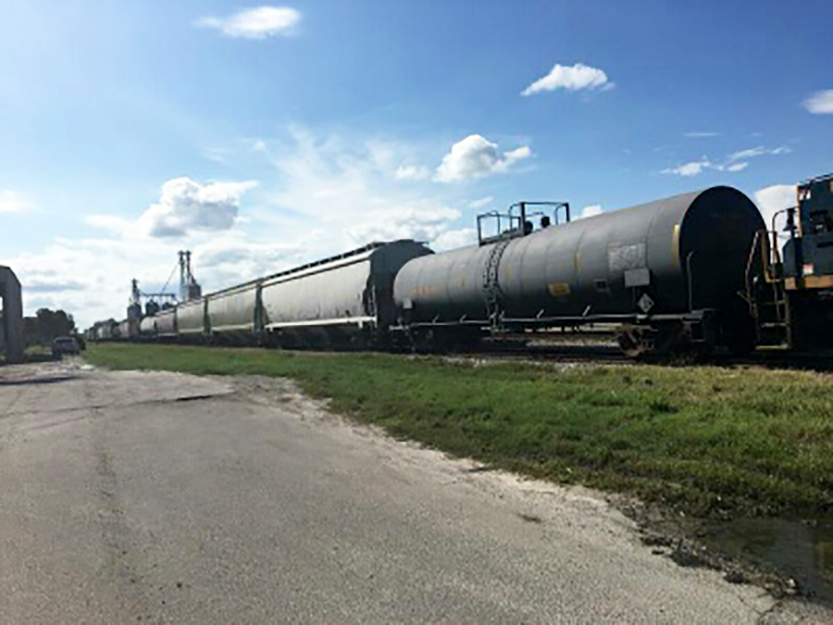
NMPF also submitted several proposals that were passed by conference delegates to alleviate any confusion about the timing criteria for tanker washing and milk sample collection; increasing transparency around milk safety program equivalence in other countries; and updating the requirements for bulk milk transportation and the requirements for voluntary testing of milk for drug residues.

For further information on the NCIMS conference results, please contact Clay Detlefsen at CDetlefsen@nmpf.org  or Beth Briczinski at BBriczinski@nmpf.org.

DAIRY PRIDE Act Supporters Keep Grassroots Pressure on Congress

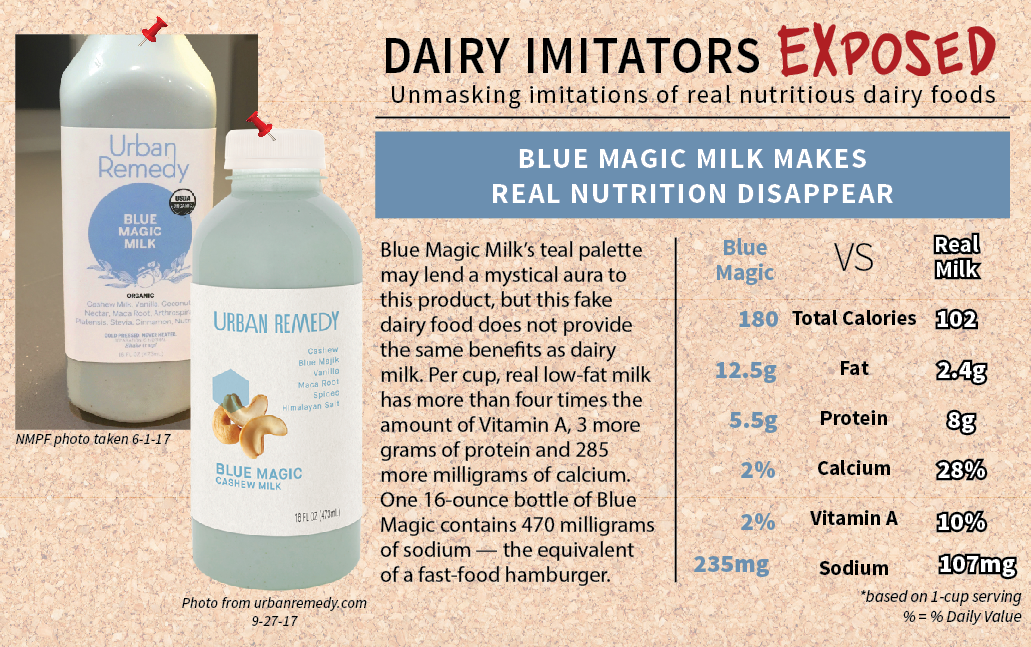
Grassroots efforts to urge Congress to pass the DAIRY PRIDE Act (DPA) continued during May, with over 600 letters of support sent to lawmakers through NMPF’s Legislative Action Center – a 50-percent increase within the last month. This surge in outreach from dairy farmers was driven by a new Facebook advertising campaign (featuring images such as the one at left) asking NMPF’s online community to express their support for proper dairy product labeling.

In addition, Florida dairy producer Ben Butler of Southeast Milk, Inc., submitted an opinion article to a major southern newspaper. In his op-ed for the Orlando Sentinel, Butler insisted on enforcing the country’s food-labeling laws to better protect milk from imposters.

“People are slowly returning to real, natural food,” he said. “Perhaps the best part about cow’s milk is that it’s been real and natural all along.”

NMPF continues to publish legislative action alerts, news articles, infographics and other materials that advocate support for DPA. NMPF strongly encourages cooperatives to share these materials with staff, producer-members and on social media to garner additional congressional support for the DPA measure.

The bipartisan DAIRY PRIDE Act would require the U.S. Food and Drug Administration (FDA) to enforce the long-standing regulation that milk must come from an animal source, thus prohibiting plant-based “milks” from using dairy terminology on their labels. NMPF has continued to build support for the House and Senate companion bills since their introduction in late January, including working with farmers to publish several op-ed pieces in major regional newspapers.

To date, congressional support includes Angus King (I-ME), Tammy Baldwin (D-WI), Debbie Stabenow (D-MI), Jim Risch (R-ID) and Mike Crapo (R-ID) in the Senate; and Reps. Peter Welch (D-VT), Mike Simpson (R-ID), Sean Duffy (R-WI), Joe Courtney (D-CT), David Valadao (R-CA), Susan DelBene (D-WA), Collin Peterson (D-MN), Mike Gallagher (R-WI), Glenn Grothman (R-WI), Ron Kind (D-WI), Thomas Rooney (R-FL), James Sensenbrenner (R-WI), Richard Nolan (D-MN), Elise Stefanik (R-NY) and James Comer (R-KY)  in the House.

CWT Helps Member Co-ops Secure 9.6 Million Pounds of Export Sales

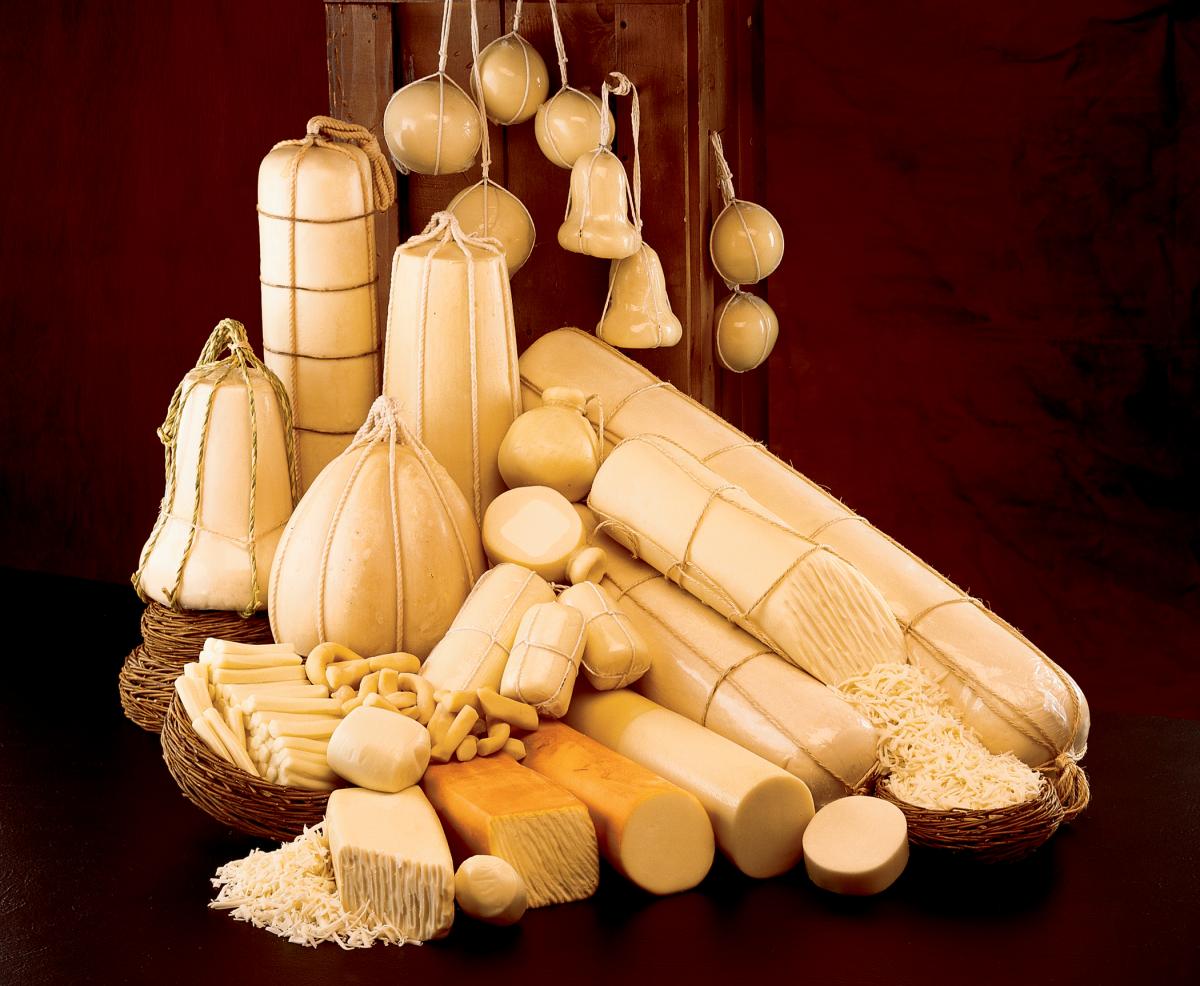
Cooperatives Working Together assisted member cooperatives last month in winning 54 contracts to sell 8.1 million pounds of cheese and 1.6 million pounds of butter to customers in Asia, Europe, the Middle East, North Africa and Oceania in May 2017. The U.S.-made dairy products will be shipped from May through August 2017.

These transactions raise the total CWT-assisted product sales so far in 2017 to 37.7 million pounds of cheese and 3 million pounds of butter. These sales are going customers in 17 countries in five regions, and will move the equivalent of 415.8 million pounds of milk on a milkfat basis overseas through August 2017.

Assisting CWT member cooperatives gain and maintain world market share through the Export Assistance program in the long-term expands the demand for U.S. dairy products and the U.S. farm milk that produces them. This, in turn, positively impacts all U.S. dairy farmers by strengthening and maintaining the value of dairy products that directly impact their milk price.

The amounts of dairy products and related milk volumes reflect current contracts for delivery, not completed export volumes. CWT will pay export assistance to the bidders only when export and delivery of the product is verified by the submission of the required documentation. All cooperatives and dairy farmers are encouraged to add their support to this important program. Membership forms are also available on the CWT website.

MPP Forecast: June

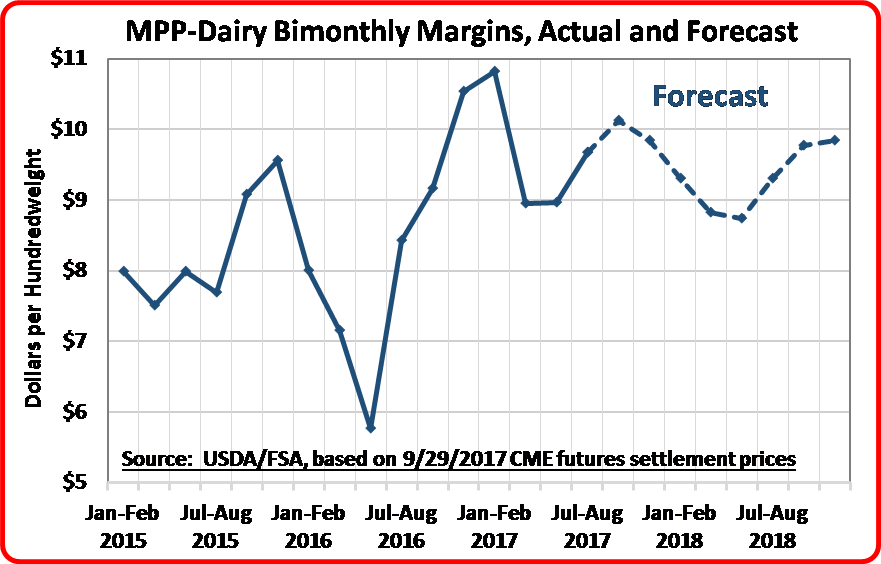
The U.S. average all-milk price dropped to $16.50 per hundredweight in April, an $0.80 decline from March, as reported by USDA’s National Agricultural Statistics Service (NASS). This was the fourth straight monthly drop in the benchmark national milk price, driven by lower Class I and Class III federal order prices. The Class III price continued during the spring to come under pressure from milk production growth, which has increased domestic cheese production and stocks.

Compared to March, feed ingredient prices announced by NASS and USDA’s Agricultural Marketing Service for April were lower for corn and soybean meal, but higher for alfalfa hay. These feed ingredient price changes were completely offset in the monthly Margin Protection Program (MPP) feed cost formula, which computed the same feed cost of $7.95 per hundredweight in April as it did in March. The MPP monthly margin for April was $8.55 per hundredweight, down from $9.35 per hundredweight in March. This created a bimonthly MPP margin for March-April of $8.95 per hundredweight, meaning there will be no payments for the second of the six two-month windows in 2017.

USDA’s current MPP margin forecast, based on late May CME futures settlements, projects the margin will remain well above $8 per hundredweight during 2017, with virtually no probability that it will fall below the $8 level for the remainder of 2017. USDA’s MPP margin forecasts are updated daily online. NMPF’s Future for Dairy website offers a variety of educational resources to help farmers make better use of the program.

NMPF Helps Boost Start of “Undeniably Dairy” Campaign During June Dairy Month

NMPF joined the U.S. dairy community in May to prepare for the formal launch this month of Undeniably Dairy, a new marketing campaign that celebrates the many benefits of dairy foods and dairy farming.

Undeniably Dairy, launched by the Innovation Center for U.S. Dairy in partnership with dairy farmers through their checkoffs, is a multi-year, multi-stakeholder initiative that brings the dairy community together to spark connections with consumers by sharing stories that build dairy trust and relevance. The campaign underwent a soft launch in mid-May, releasing several short videos promoting the many uses of dairy, and a new logo. NMPF has been actively promoting the campaign, from reserving a section of its website for Undeniably Dairy content, to sharing the videos on its social channels.

“Undeniably Dairy is about re-establishing the connection between the enjoyment of the product and the hard work and pride of the people who make it possible,” said Beth Engelmann, chief marketing communications officer at Dairy Management Inc. “This campaign is unprecedented in that it unifies a vast and diverse dairy industry and array of dairy products behind a single platform.”

To celebrate the start of June Dairy Month and World Milk Day, the initiative formally kicked off June 1. NMPF shared a variety of facts about the positive nutritional contributions of milk during the launch.  Throughout June, consumers will learn more through the campaign about how milk is responsibly produced, as well as farmers’ commitment to their communities, through a partnership with the Food Network. The channel will air the “Dairy, Dairy, Dairy” commercial, along with a farm-to-table profile featuring farmers’ commitment to animals and environmental stewardship.

Also in June, farmers will be featured at Upworthy, a website with a monthly audience of 20 million, by sharing emotionally compelling content. These stories include farmers’ undeniable story of responsible production, economic and community contributions, and people’s love of dairy for its taste, versatility and nutrition.

All relevant Undeniably Dairy social content is available through the Dairy Amplification Center for a link to share on your social channels (non-members can visit this site for information on how to join). Social media users can join the campaign by including the #UndeniablyDairy hashtag when sharing dairy- positive content. NMPF will continue to share fresh Undeniably Dairy content in celebration of June Dairy Month, in addition to highlighting farmers on social media and facts about America’s favorite dairy products.

NMPF Suggests Ways to Improve Dairy Exports in Key Markets

As the new Trump trade policy team settles into the U.S. Trade Representative’s (USTR) office, NMPF has recommended ways the U.S. government can build on the positive trade balances that America’s dairy sector already enjoys in many key foreign markets. 

USTR, along with the Department of Commerce, asked NMPF and other stakeholders for input on the U.S. balance of trade with 13 partners: Canada, China, European Union (EU), Japan, India, Indonesia, Korea, Malaysia, Mexico, Switzerland, Taiwan, Thailand and Vietnam.

NMPF noted that of the 13 partners listed, the U.S. dairy sector has a trade surplus with 11, excluding only the EU and Switzerland.  In total, the United States exports almost twice as many dairy products to the 13 partners as it imports. The U.S. dairy sector’s top seven dairy export markets included six on the list: Mexico, Canada, China, Korea, Japan, Indonesia and Vietnam (Canada’s inclusion on the list of top dairy export markets is misleading, given that a sizable portion of dairy ingredients imported into Canada for further processing are not consumed there, but are re-exported, often to the United States).

In its recommendation of how trade relations with these nations should be handled, NMPF stated that “any effort to achieve balanced trade by focusing on trade deficits must take into account that for some sectors, including ours, trade surpluses are already in place, and are generating benefits to American farmers, workers and companies. We would strongly support efforts aimed at removing tariff and nontariff barriers to trade that constrain even greater access for U.S. dairy exports. Trade policies aimed at such outcomes would drive further returns to our farm sector and rural communities across the country in particular.”

In its country-specific submissions, NMPF focused on several priorities. These priorities are in line with the trade-promoting approach NMPF has advocated that the Trump Administration pursue, including:  

·        Preserving NAFTA and focusing modernization negotiations on safeguarding those economic sectors that have already been opened to free trade while creating more open trade in other areas, such as in Canada;

·        Encouraging trade negotiations with various Asian trading partners, particularly Japan;

·        Tackling barriers to U.S. exports that hold back the potential for even greater sales, such as:

  • Canada’s habitual use of nontariff measures to distort dairy trade;
  • Misuse by the EU and Switzerland of geographical indications to seek to monopolize sales of common food products; and
  • India’s long-standing refusal to engage in productive negotiations to reopen its dairy market despite benefiting substantially from unilateral access to the U.S. market under the U.S. Generalized System of Preference program.

This comment period provided the opportunity for NMPF to elaborate on many of the market-opening points conveyed to the Trump Administration since the beginning of 2017.  NMPF will continue to share recommendations with the Administration to further expand dairy exports.

NMPF Establishes Priorities for NAFTA Modernization Process

Since the beginning of 2017, NMPF has been helping to shape the focus of discussions over the modernization of the North American Free Trade Agreement (NAFTA). In May, the Trump Administration formally launched that process by notifying Congress that it plans to proceed with a renegotiation of the 24-year-old trade pact. NMPF will actively participate in that process through the submission of recommendations on U.S. dairy farmer priority areas, meetings with administration officials and participation in a high-profile NAFTA hearing at the end of June.

As this multi-year effort begins, NMPF’s key message remains clear: Preserve opportunities created through NAFTA (particularly in Mexico); improve on the existing agreement through new rules that ensure a continued growth in commerce; and address remaining tariff and nontariff concerns related to Canada, including the elimination of the Canadian Class 6 and 7 pricing schemes hurting American dairy exports.

To amplify these messages, NMPF has engaged with Congress and the Trump Administration, while sharing its priorities at public discussions about the future of trade across North America. NMPF’s Shawna Morris (right) spoke last month at a National Press Club event held by the Global Business Dialogue that focused on key areas of the NAFTA relationship. The event’s focus aligned with NMPF’s NAFTA goals: “Maintain Mexico; Crack Canada.”

Also in May, the leaders of the Senate Agriculture Committee, Chairman Pat Roberts and Ranking Member Debbie Stabenow wrote to the U.S. Trade Representative (USTR) and U.S. Department of Agriculture (USDA), reinforcing NMPF’s concerns about the impact of Canada’s new Class 6 and 7 pricing systems. The letter asked Trump Administration officials to “evaluate all tools available to help mitigate any damaging effects that directly result from this program and allow U.S. dairy producers to compete with Canada on a level playing field.”

World Milk Day Shines Light on Important Public Health Role of Dairy Foods

ARLINGTON, VA – As part of the commemoration June 1 of World Milk Day, the National Milk Producers Federation said the public health case for the consumption of milk and other dairy foods is stronger today than ever – a fact that is increasingly recognized by health experts and consumers in the United States and across the globe.

“Today’s celebration – which coincides with the start in the United States of national June Dairy Month – acknowledges the inimitable role that milk and other dairy foods play in our diets,” said Jim Mulhern, president and CEO of NMPF. “The undeniable good news about dairy products starts with its unmatched value as a superfood – no other food source comes close to providing the same nutrition.”

Mulhern noted that each glass of milk represents the No. 1 source in children’s’ diets of nine essential nutrients: Calcium, potassium, phosphorus, protein, vitamin A, vitamin D, vitamin B12, riboflavin and niacin. Over the years, “this consistent nutritional package has earned dairy its unparalleled wholesome reputation – a healthy halo – that consumers recognize and trust. Meeting government nutrient recommendations is extremely difficult without including milk and dairy in your diet.”

He said that the federal Dietary Guidelines Advisory Committee found that when foods from the milk family were not part of people’s eating habits, intakes of many key nutrients fell below federal recommendations. In fact, Mulhern said, “milk is the top food source for calcium, potassium and vitamin D, three of the four ‘nutrients of public health concern’ — nutrients that many Americans, including children, are most lacking in their diets,” according to the Dietary Guidelines for Americans.

“Since more than 90 percent of the U.S. population falls short of the recommended three daily servings of milk and milk products, including this fresh, simple and wholesome beverage at mealtimes can play an important role in healthy eating and well-being through adulthood,” he said.

When measured by the price per serving, milk is also one of the most cost-effective means to deliver a wide range of nutrition. Mulhern pointed to research from the American Journal of Clinical Nutrition, which found that dairy is among the most economical foods across a variety of metrics, and that milk was among the lowest-cost sources of protein, vitamin A, calcium, vitamin B-12 and riboflavin.  If families try to replace dairy in their diets, “they will likely have to spend more in order to maintain the same nutrient intake,” he said.

Promoting the irreplaceable nutritional value of milk has been part of NMPF’s focus for the past six months as it has urged the U.S. Food and Drug Administration (FDA) to strictly enforce food labeling regulations intended to distinguish between real and imitation dairy foods. FDA regulation says that anything labeled “milk” must be from an animal, but the agency has not enforced this rule “as plant-based food companies continue to co-opt dairy-specific terminology on their nutritionally inferior products,” Mulhern said. “Ignoring food product standards can mislead consumers into believing ‘fake food’ products offer the same nutrition as cow’s milk, which they definitely do not.”

In January, in support of NMPF’s efforts, a bipartisan group of senators and congressmen introduced the DAIRY PRIDE Act (DPA), which would require the FDA to take action to enforce food labeling regulations. NMPF, along with other dairy organizations, continues to build support in the House and Senate for the DPA.

“World Milk Day offers us a great opportunity to remind consumers here at home, and around the world, of the important benefits of real milk. It may have its imitators, but no other product can duplicate or replace the same unprocessed, natural goodness of the real thing,” Mulhern said.

###

The National Milk Producers Federation (NMPF), based in Arlington, VA, develops and carries out policies that advance the well-being of dairy producers and the cooperatives they own. The members of NMPF’s cooperatives produce the majority of the U.S. milk supply, making NMPF the voice of dairy producers on Capitol Hill and with government agencies. For more on NMPF’s activities, visit our website at www.nmpf.org.

FARM Animal Care Program Seeks Producer Feedback on Resources and Tools

ARLINGTON, VA – The National Dairy Farmers Assuring Responsible Management (FARM) Program, in collaboration with Colorado State University, is conducting a dairy farmer survey to learn more about perceptions of the FARM Program and how it can continue to improve the resources it offers producers.

The voluntary survey will probe producers’ knowledge of the program and the value they think it provides to their operations. The study will help FARM Animal Care better provide cooperatives and farmers with the appropriate guidance and materials required of FARM Program participants. Survey questions address topics such as the producer’s familiarity with the program, where they seek additional FARM Program information, and why stewardship practices, as assessed by FARM, are important to them. Those interested in taking the survey can do so by clicking here.

“Participants in the FARM Program produce more than 98 percent of the U.S. milk supply by volume, so it’s important that we understand producers’ thoughts on how FARM can further positively impact their businesses,” said Emily Meredith, chief of staff for NMPF, which launched the program in 2009. “Just like dairy farms are on a path of continuous improvement, the FARM Program wants to continuously improve how we work with our participants.”

The information gleaned from this survey will help advance the FARM Program by increasing its efficiency and impact for farmers. Improving the FARM Program will also assist the dairy industry in forming uniform objectives on animal welfare, and assist FARM Program staff in understanding and  catering to producers’ needs, Meredith said.

The study, titled “Dairy Producer Perceptions of the National Dairy FARM Program” is being led by Dr. Noa Román-Muñiz and Kayla Calvin from Colorado State University’s Department of Animal Sciences. The survey is confidential and only summarized data will be shared with the primary researchers, so participants cannot be identified directly.

Processors and cooperatives can contact dairyfarm@nmpf.org or Kayla Calvin at Colorado State kaylacalvin26@gmail.com if they want their organization to participate. Individual producers can take the online version or contact the FARM Program to be mailed a copy.

###

The National Milk Producers Federation (NMPF), based in Arlington, VA, develops and carries out policies that advance the well-being of dairy producers and the cooperatives they own. The members of NMPF’s cooperatives produce the majority of the U.S. milk supply, making NMPF the voice of dairy producers on Capitol Hill and with government agencies. For more on NMPF’s activities, visit our website at www.nmpf.org.