ARLINGTON, VA – Milk producers joined milk processors yesterday in supporting the Food and Drug Administration’s proposed regulations on the safe shipment of food, saying the draft rules largely write into regulations what the dairy industry is already doing.
“Dairy foods are safely transported already, and there is no need to improve on current practices,” said Beth Briczinski, vice president for dairy foods and nutrition for the National Milk Producers Federation. “As a result, we basically support what the FDA is proposing.”
NMPF, the voice of 32,000 dairy farmers in Washington, submitted comments on the draft regulations issued in February as part of efforts to implement a major update of the nation’s food safety laws enacted in 2011.
NMPF did note several areas where the proposal could be clarified or modified. In particular, it urged expanding waivers from the regulation for dairy products if a shipper is licensed under the Grade “A” milk program. NMPF urged including outbound shipments of finished products – such as yogurt, cottage cheese and sour cream – as well as inbound shipments of unpasteurized milk under the waiver.
Other areas NMPF suggested clarifying included language regarding short or intra-company food shipments and the transportation of frozen dairy desserts. On the latter, the organization said the final regulations should specify that ice cream and other frozen dairy desserts should not be included under the proposed regulations because when ice cream is temperature-abused it doesn’t present a food safety risk. Instead, it melts.
The proposed rules were issued under the 2011 Food Safety Modernization Act, as well as a separate 2005 law covering safe transportation of foods.
“We supported the FSMA and have been pleased to work with the FDA to implement its provisions,” said Briczinski. “We share the desire for food transportation rules that are broad, goal-oriented, aligned with current practices, and adaptable to the many transportation activities conducted in our industry.
“For the most part, FDA’s draft regulations are just that,” Briczinski added.

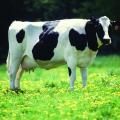 The National Milk Producers Federation on July 14 endorsed a draft plan for allowing the U.S. and Canada to cope with an outbreak of a serious foreign animal contagion, such as foot-and-mouth disease, suggesting the plan is a template for similar plans involving other important dairy export markets.
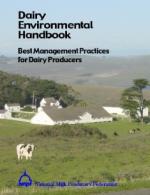 The National Milk Producers Federation on July 7th asked the Environmental Protection Agency (EPA) to withdraw recent guidance concerning when farmers must seek Clean Water Act permits for a long list of normal farming activities near wetlands.
 NMPF President and CEO Jim Mulhern reacted sharply to the apparent demise of immigration reform legislation in Congress this year. But Mulhern added that NMPF remains committed to the cause of reform, which, he said, will happen eventually.
 NMPF has made a series of recommendations to the Agriculture Department on how to implement the new dairy safety net included in the 2014 farm bill. The recommendations cover issues that are either unclear in the legislation or were left up to USDA to decide. The issues include such things as the timing of enrollment, the timing and structure of premium payments, and the treatment of farms with changing ownership structures.
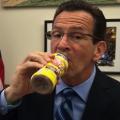 The latest skirmish in the battle over chocolate milk in schools ended June 12 when Connecticut Governor Dannel Malloy (left, drinking milk) vetoed legislation that would have effectively banned chocolate milk from state schools. The bill, passed on the final day of the legislature’s 2014 session, would have prohibited the sale of chocolate milk by setting a tight limit on the sodium allowed in drinks offered in Connecticut schools.
 The Consortium for Common Food Names, which NMPF supports, is urging the European Union to make the right decision on a controversial proposal granting Denmark exclusive use of the generic cheese name “havarti” in the EU.